From Easy Piano Arrangements to Original Scores
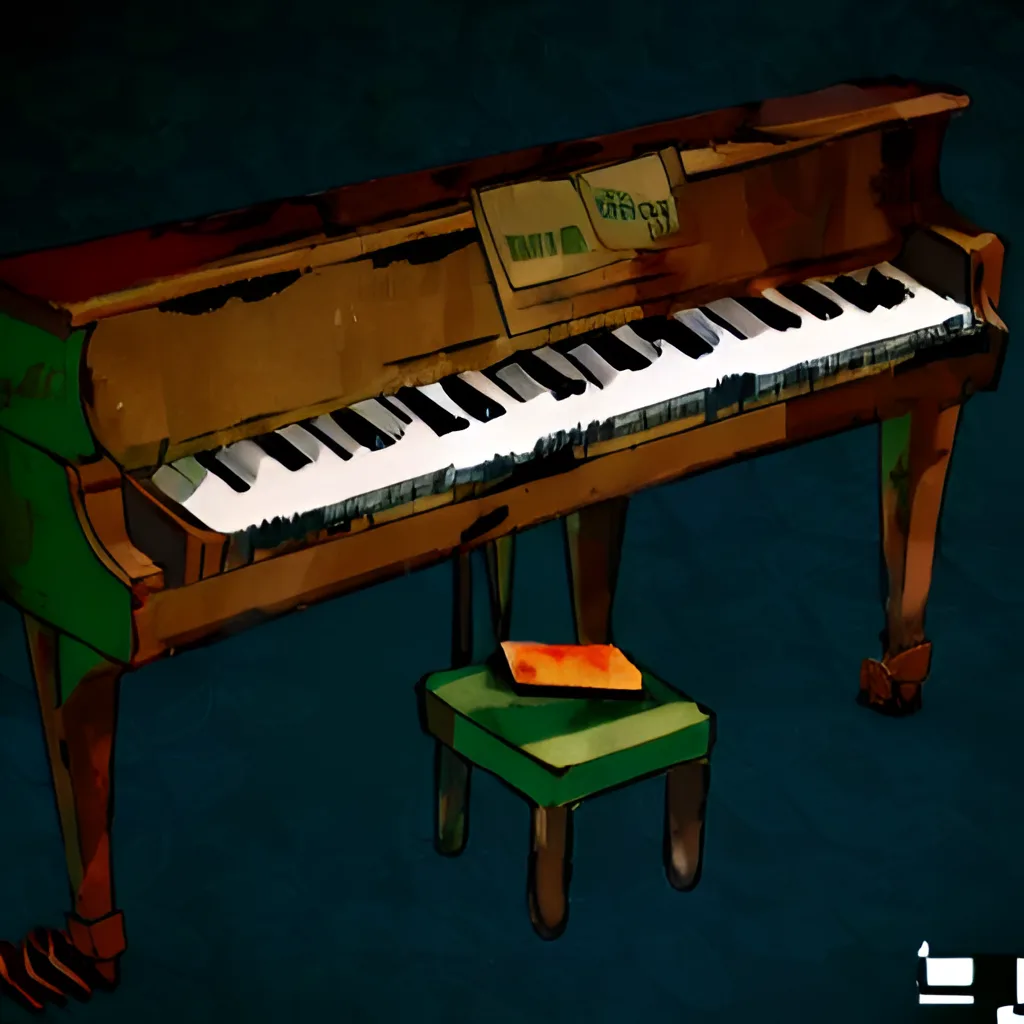
An adult learner may play a simplified version of a familiar melody confidently but struggle when opening the original score. The solution is a gradual transition that develops notation reading, musical awareness and familiarity with fuller textures without removing the enjoyment of playing.
Understand What Changes Between Arrangements and Original Scores
Simplified arrangements reduce the demands of a composition by removing some notes, changing rhythms or making the accompaniment less complex. They allow learners to become familiar with a melody before encountering the complete musical writing.
An original piano score may contain independent voices, wider intervals, richer chords and more detailed expressive markings. These features require attention to several musical elements at once, so moving directly from an easy version to the complete composition can feel like a considerable jump.
Teachers can make this transition manageable by comparing different versions of the same musical passage. Ask the learner to identify which notes remain unchanged, which parts have been removed and how the accompaniment differs.
For example, a simplified version of a classical minuet might present the melody with single bass notes. Its original counterpart could include fuller left-hand chords, decorative figures and additional melodic movement. Recognising these differences helps adults understand that the arrangement is a reduced presentation of a larger musical idea.
The purpose is not to dismiss simplified material. It provides a useful starting point from which learners can gradually develop the reading skills needed for more detailed notation.
Develop Score Reading Through Small Musical Changes
Before introducing a complete original composition, select short passages that contain one unfamiliar feature. This might be a wider interval, a chord inversion, an accidental or a rhythm that does not appear in the learner's current arrangement.
Keep the musical context familiar wherever possible. An adult who already knows the melody can devote more attention to reading the additional notes rather than working out the entire piece from the beginning.
Useful preparation activities include:
- Reading the bass staff separately from the treble staff.
- Identifying intervals between neighbouring melody notes.
- Naming chord shapes before playing them.
- Marking accidentals that differ from the simplified version.
- Clapping a new rhythmic pattern before approaching the keyboard.
You've read 32% of this article
Log in for free to read the remaining 68%
- Free to use
- No credit card needed
Plus, try Premium free for 7 days in the TIGA ALPHA app.
Continue with Google Sign up free Already a member? Log inA useful classroom exercise involves placing two versions of a short passage side by side. The learner can circle notes that appear in both scores and underline the additional material in the original.
During a practice session, TIGA ALPHA can listen to a learner's attempt at the expanded passage and help identify a misplaced pitch or a beat that becomes uneven.
This type of comparison connects written symbols with actual keyboard movements. It also gives the teacher a clearer idea of which notation features need further explanation.
Introduce the Texture of Complete Piano Writing
Reading individual notes is one part of understanding an original score. Learners also need to recognise how several musical layers interact.
A composition may contain a melody, a supporting bass line and inner chord tones. These elements can have different rhythms and musical purposes, even when they are played simultaneously.
Begin with a passage where the melody is easy to recognise. Ask the learner to follow its direction, then examine what the lower notes contribute. Discuss whether the bass supports a harmonic change, establishes a pulse or creates movement towards another section.
Next, introduce the inner voices. A chord may contain notes that move independently rather than remaining in a fixed position. Pointing out these movements helps adults understand why an original score sometimes looks considerably denser than its simplified counterpart.
Teachers can also discuss musical markings that arrangements sometimes omit. Dynamic changes, articulation, phrasing, ornaments and pedal indications all influence how a written passage should sound.
A practical activity is to read a short section without playing it. Ask the learner to describe its texture, identify the main melodic voice and locate any changes in dynamics. This encourages active reading rather than immediate dependence on finger memory.
Build Independence With Carefully Chosen Repertoire
The transition towards original compositions should reflect the learner's existing abilities and musical interests. Someone comfortable with basic chord patterns may be ready for a short piece with a more active accompaniment, while another learner may need additional work on reading intervals and rhythmic values.
Choose repertoire with a manageable overall structure. A short dance movement, a straightforward prelude or a public-domain classical piece can introduce authentic notation without requiring an entire concert-length work.
Avoid changing too many elements simultaneously. If a learner is encountering a new key signature, choose a passage with a relatively straightforward rhythm. When the rhythmic writing becomes more demanding, familiar note patterns can provide useful support.
Teachers should encourage learners to make their own observations during each study session. They might identify an unfamiliar symbol, mark a difficult chord or explain how the bass line relates to the melody.
A simple progress record can include the following details:
- New notation features encountered.
- Musical textures recognised independently.
- Passages that require additional reading.
- Expressive markings understood and applied.
- Sections ready to be connected into a complete piece.
With regular comparison and thoughtful repertoire choices, original scores become familiar musical documents rather than collections of unfamiliar symbols. Adults can gradually take greater responsibility for understanding what they play, making future repertoire choices more informed and independent.
FAQ
Q: Should adult beginners start with original piano scores?
A: They can explore original material when its notation and technical demands suit their current reading ability.
Q: Why do original compositions look more complicated?
A: They often contain additional voices, chord tones, rhythmic details and expressive markings absent from simplified versions.
Q: How can teachers prepare learners for fuller scores?
A: Use comparisons, interval exercises and short passages that introduce one unfamiliar musical feature at a time.
Q: Are simplified arrangements still useful?
A: Yes. They provide accessible ways to understand melodies and musical structures before studying more detailed writing.
Get started with TIGA ALPHA
TIGA ALPHA is an AI piano teaching app built by a Thai team, with lessons in Thai, English and Mandarin. Its CEO, Teacher Aum, has 20 years of experience in piano teaching, and that music teaching background shapes every lesson, while piano teaching with AI gives you feedback each time you play piano. Use it as an online piano lessons app for short daily sessions, follow it as a complete AI online piano course, or combine it with a piano course or piano learning course led by a teacher. Whether you want to learn piano from zero, learn piano online after a long break, learn music alongside your children or simply play music for fun, this online piano teaching application keeps your next step clear. New users get a 7-day free Premium trial, then US$24.99/month. Open the piano teaching app below and pick a first lesson that fits your week.
- Download and start: TIGA ALPHA landing page
- In-person lessons in Thailand: TIGA Studio
- About the company: tigaalpha.com
A thoughtful progression from accessible arrangements to original scores makes each new musical challenge easier to approach.