Coming Back to Piano as an Adult: Three Restart Paths
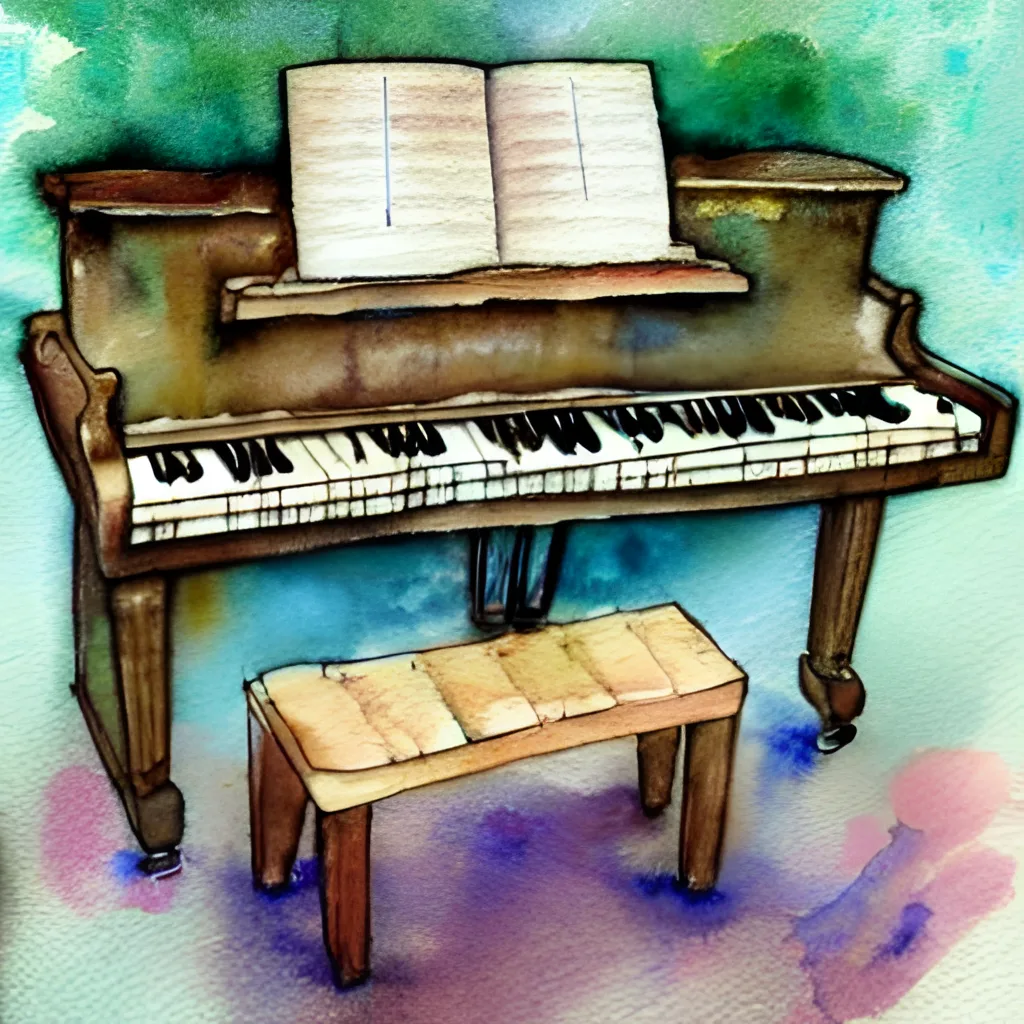
Adults who return to the piano after a long break usually progress faster than they expect, because reading skills and finger memory come back with practice. The most effective restart is not to pick up where you stopped, but to review fundamentals for a few weeks, choose music you genuinely enjoy, and practice in short sessions that fit adult life.
Every returning pianist starts from a different place. To make that concrete, this article follows three illustrative profiles. They are composites created for this guide, not real customers, but each reflects a situation that adult learners commonly describe.
What all three have in common
- They review basics before attempting old repertoire.
- They schedule practice around real life, not an ideal timetable.
- They measure progress with recordings rather than feelings.
- They use technology for structure and live teachers for detail when needed.
Profile 1: The rusty reader
Situation. Took lessons for several years as a child, stopped as a teenager, and now finds notation slow and frustrating. The hands remember some pieces, but the eyes do not.
The trap. Reopening the old exam book and trying the hardest piece. Progress feels painfully slow compared with childhood memories, and motivation drops.
A better restart.
- Spend two or three weeks on easy sight-reading, well below the old level.
- Revisit major scales and simple chord shapes to wake up the geography of the keyboard.
- Choose one "comeback piece" that is comfortable, then one stretch piece for later.
What changes. Reading speed improves quickly once the basics are refreshed. The old pieces become reachable again, this time with an adult's patience and taste.
Profile 2: The busy parent
Situation. Learned some piano years ago, now has a full-time job and young children. Practice time is unpredictable and usually happens late in the evening.
The trap. Waiting for a free hour that never arrives. Long gaps between sessions mean restarting every time.
A better restart.
- Keep a digital piano with headphones so late practice does not disturb anyone.
- Plan for short, focused sessions instead of long ones.
- Keep a single list of what to practice next, so no time is lost deciding.
- Now and then, sit down with the children and play music together, turning practice into family time.
What changes. Consistency replaces intensity. Short sessions on most days add up to real progress over a few months.
Profile 3: The late starter
Situation. Never had lessons, always wanted to learn piano, and finally has time in retirement or after a career change.
The trap. Believing it is "too late" or comparing progress with people who started as children.
A better restart.
- Begin with a structured beginner path rather than random videos.
- Learn to read and play simple melodies with both hands early on.
- Pick goals that feel personal, such as one favorite song for a family gathering.
What changes. Adult beginners bring focus, patience and clear motivation. With a sensible plan, playing simple pieces with both hands is a realistic early milestone.
Lessons from the three paths
Review is not a step backward
Every profile benefits from revisiting fundamentals. A few weeks of easier material builds the confidence needed for harder pieces.
Structure beats willpower
Adults have limited time and many demands. A clear plan for each session removes the mental effort of deciding what to do.
Feedback keeps you honest
Recording a short passage once a week shows progress that is easy to miss day to day.
How technology fits an adult restart
Piano teaching with AI suits adult schedules because it is available whenever you are. TIGA ALPHA is an AI piano teaching app made by a Thai team, offering lessons in Thai, English and Mandarin. The learning path draws on 20 years of lessons given by Teacher Aum, now the company's CEO, so returning learners can step in at the right level instead of starting over completely.
TIGA describes itself as a high-tech education-innovation company rather than a traditional music school. The online piano teaching application gives each session a clear target, while a studio piano course can add in-person guidance on posture and tone. For many adults, combining a piano teaching app with a few live lessons works well, and some later join a full piano learning course. Thoughtful piano teaching and good music teaching, in any format, make the comeback smoother.
Frequently asked questions
Q: Is it harder to learn piano as an adult?
A: Adults often have less free time than children, but they bring focus, discipline and clear goals. Many adult learners make steady progress with a realistic routine.
Q: Should I go back to my old pieces right away?
A: It is usually better to review basics for a few weeks first. Old pieces will feel easier and more enjoyable once reading and technique are refreshed.
Q: How much practice do adult learners need?
A: Regular short sessions are generally more effective than rare long ones. Choose a length you can keep up on your busiest days.
Q: Can I learn piano online without a teacher as an adult?
A: Yes. Many adults start by learning piano online with an online piano lessons app, then add live lessons later if they want detailed feedback.
Q: What is an AI online piano course?
A: It is a structured course delivered through an app that uses AI to guide practice, keep time and highlight what to work on next. It is a flexible way to learn music around a busy schedule.
Restart your piano journey
Whichever profile sounds like you, the first step is small. Try TIGA ALPHA with a 7-day free Premium trial, then 799 THB/month. Get the app on the TIGA ALPHA landing page, see live classes at TIGA Studio, and read more about the company at tigaalpha.com. It is never too late to play piano for the joy of it.