Asking AI Chatbots About Music Theory: Useful, With Limits

AI chatbots can be a convenient study partner for music theory. They answer questions about scales, chords, intervals and musical terms in plain language, at any hour, and can rephrase an explanation until it makes sense. However, these systems generate text by predicting likely words, not by checking facts against a score or an instrument. They sometimes produce answers that sound confident but contain errors, so learners should verify important details.
What chatbots do well
Language-based AI is strong at explanation. If a textbook definition of a suspended chord feels too dense, a chatbot can describe it in simpler words, give an analogy and suggest how it might sound. It can also generate practice questions, summarise a topic or compare two related ideas.
- Rephrasing difficult definitions in everyday language.
- Creating quiz questions on intervals or key signatures.
- Explaining the history behind a term or style.
- Suggesting a study plan for a theory topic.
For learners who feel shy about asking a teacher the same question twice, this can lower the pressure. You can ask again and again without worrying about taking up someone's time.
Common kinds of mistakes
Chatbots are less reliable when a question requires precise counting or reading notation. Spelling a chord in an unusual key, counting semitones in a large interval or analysing a specific bar from a piece are tasks where errors appear. The model may also mix up similar terms or invent a source that does not exist.
Why this happens
These systems learn patterns in text. They do not hear sound or see a keyboard unless they are connected to special tools. When a question needs step-by-step calculation, the model may skip a step and still present the answer smoothly.
You've read 31% of this article
Log in for free to read the remaining 69%
- Free to use
- No credit card needed
Plus, try Premium free for 7 days in the TIGA ALPHA app.
Continue with Google Sign up free Already a member? Log inHow to check an answer
A few simple habits make chatbot help much safer.
- Play the chord or scale on a keyboard and listen to whether it sounds right.
- Count the semitones yourself for any interval question.
- Compare the explanation with a trusted textbook or teacher.
- Ask the chatbot to show its reasoning step by step, then check each step.
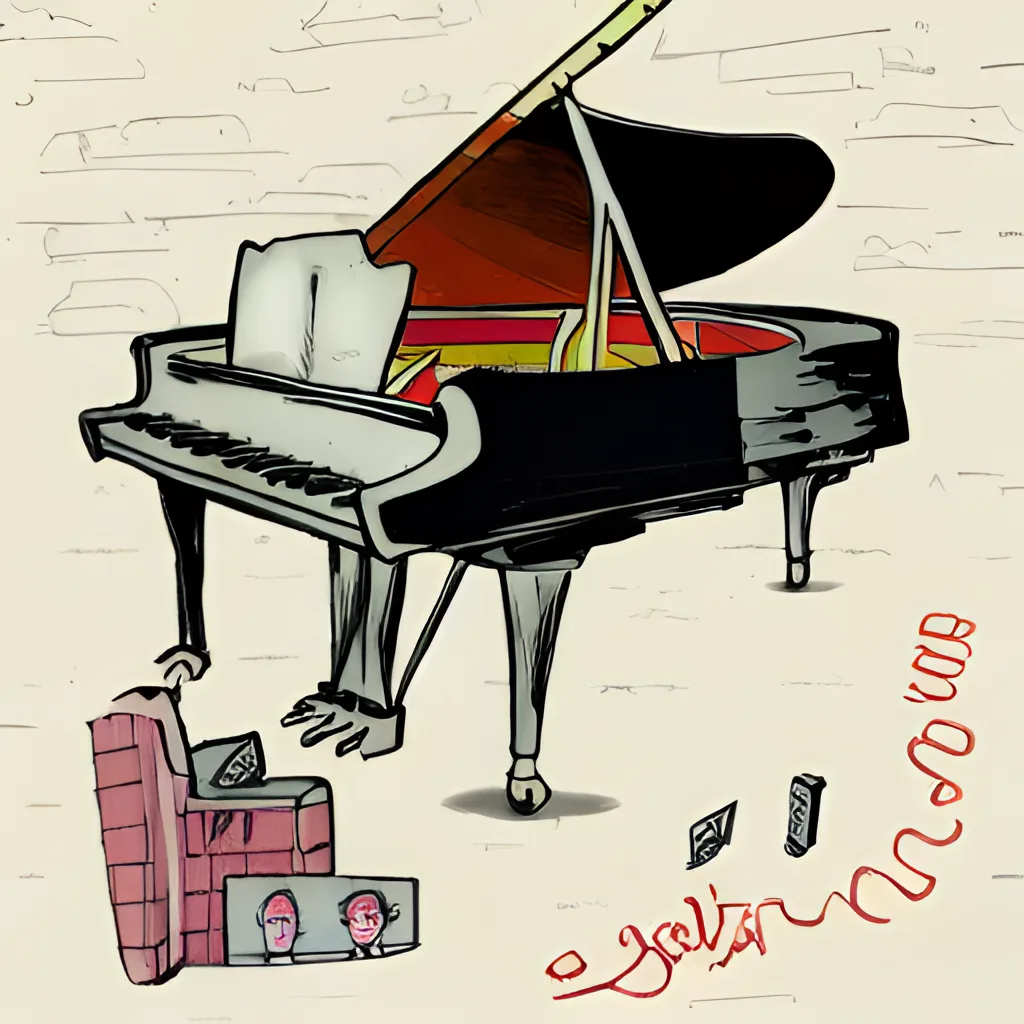
The keyboard is your most reliable checking tool. If a chatbot says a chord contains certain notes, play them. Your ears will often notice a problem faster than reading the text again.
Good prompts for music learners
The way you ask affects the quality of the answer. Clear, specific questions work better than vague ones. Instead of asking "explain harmony", ask "explain what a dominant seventh chord is in C major, list its notes and describe why it wants to resolve". You can also tell the chatbot your level, such as "I have studied piano for one year", so that it adjusts the vocabulary.
Where chatbots fit in learning
Theory knowledge only becomes useful when it connects to playing and listening. A chatbot can explain the circle of fifths, but you still need to practise moving through keys on the piano. It can describe syncopation, but you need to clap and play it. Use AI explanations as a bridge to action, not as the end of study.
Teachers remain important. A teacher sees how you play, hears your tone and notices patterns that a text conversation cannot capture. Chatbots work well as a supplement between lessons, especially for quick questions or review.
Privacy and honesty
When using any online AI tool, avoid sharing personal details you would not want stored. If you use AI help for written homework, follow your teacher's rules and be open about it. Learning is the goal, and honest use builds real understanding.
Where the tools are heading
Developers are connecting language models with music tools that can read notation, analyse audio or play back examples. These combinations may reduce some errors, because the system can check its answer against real musical data. Even so, the habit of verifying with your own ears and instrument will stay valuable.
FAQ
Q: Can I trust a chatbot's chord spelling?
A: Check it on a keyboard, because chord spelling in unusual keys is a common source of mistakes.
Q: Is it fine to learn theory only from AI?
A: It is better as a supplement to a teacher, a textbook and regular playing.
Q: Why does the chatbot sound so certain when it is wrong?
A: It generates fluent text by prediction, so confidence in the wording does not mean the content was checked.
Q: What is a good first question to ask?
A: Ask about one specific concept, state your level and request an example you can play.
Get started with TIGA ALPHA
TIGA ALPHA is an AI piano teaching app built by a Thai team, with lessons in 10 languages: Thai, English, Mandarin, Arabic, Japanese, Russian, Spanish, French, Hindi and Korean. Its CEO, Teacher Aum, has 20 years of experience in piano teaching, and that music teaching background shapes every lesson, while piano teaching with AI gives you feedback each time you play piano. Use it as an online piano lessons app for short daily sessions, follow it as a complete AI online piano course, or combine it with a piano course or piano learning course led by a teacher. Whether you want to learn piano from zero, learn piano online after a long break, learn music alongside your children or simply play music for fun, this online piano teaching application keeps your next step clear. New users get a 7-day free Premium trial, then US$24.99/month. Open the piano teaching app below and pick a first lesson that fits your week.
- Download and start: TIGA ALPHA landing page
- In-person lessons in Thailand: TIGA Studio
- About the company: tigaalpha.com
Ask freely, check carefully and let your ears have the final word.