Albéniz's Tango in D: A Slow Dance from España (1890)
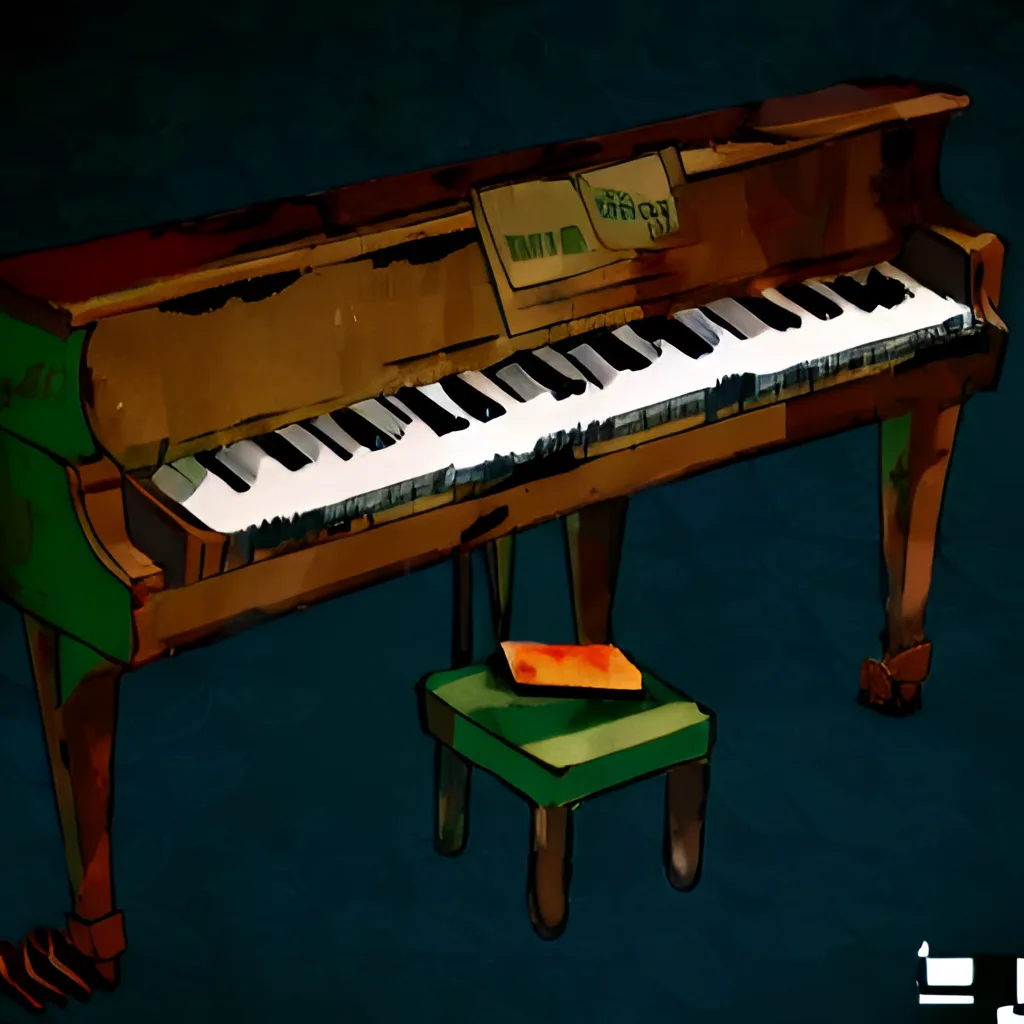
In 1890 the Spanish composer Albéniz wrote a set of small piano pieces called España, Op. 165, six pieces in all. The second is the Tango in D major. The tempo is gentle: the left hand keeps playing a swaying dotted rhythm while the right hand plays a languid, elegant melody above it. This tango is not quite like the fierce Argentine tango dance that came later; it is closer to a slow dance rhythm that travelled from Cuba to Spain. The little piece was later arranged for violin, guitar and many other instruments, and on the piano it is good material for practising a left-hand rhythm pattern and a singing right-hand melody.
Albéniz's Tango in Brief
In 1890 Albéniz wrote the piano suite España, Op. 165, in six pieces, including a prelude, a tango, a malagueña, a serenata and a Catalan caprice. The second piece, the Tango, is in D major, with a gentle tempo and a languid, elegant mood. The left hand plays a dotted habanera rhythm almost throughout, which comes from a dance that travelled from Cuba to Spain, and the right-hand melody has triplets and syncopation. The style is softer than the Argentine tango of later years, and the suite was written before the large-scale Iberia.
Think it over
This little piece has been arranged for violin, guitar, orchestra and many other versions. It suits someone who has studied for about two years and can play dotted rhythms clearly. First practise the left hand alone until it is steady, then slowly line up the offset between the two hands.
You can ask Teacher Aum to listen to your left-hand rhythm.
Many Arrangements
The melody of the Tango is very popular and was later arranged for many instruments.
There are versions for violin and piano, versions for guitar, and versions for orchestra.
It is said that one pianist even wrote a more showy piano arrangement of it.
- The 1890 piano suite España, Op. 165
- The second piece, in D major
- A swaying dotted rhythm in the left hand
- Not quite like the later Argentine tango
You've read 29% of this article
Log in for free to read the remaining 71%
- Free to use
- No credit card needed
Plus, try Premium free for 7 days in the TIGA ALPHA app.
Continue with Google Sign up free Already a member? Log inThe Languid Right-Hand Melody
Over the left-hand rhythm, the right hand plays a languid, elegant melody.
The melody often has some triplets and syncopation, which form an interesting offset against the left-hand rhythm.
When you play, let the melody sing freely and do not let the left-hand rhythm hold it back.
The Second Piece, Tango
The Tango is the second piece of this set, in D major.
The tempo is gentle and the mood languid and elegant, as if dancing slowly in the afternoon sun.
Of the six pieces, this little one is widely known and is often performed on its own.

How Hard Is the Tango?
The original Tango is not long, and the left-hand pattern keeps coming back, so once you have learnt it, it falls under the hand quite comfortably.
Someone who has studied for about two years and can play dotted rhythms clearly can start trying it.
The difficulty lies in coordinating the rhythm between the two hands and in the freedom of the right-hand melody.
Albéniz
Isaac Albéniz was a Spanish composer and pianist from the late nineteenth to the early twentieth century.
It is said that he had a gift for the piano as a child, and as a teenager he even travelled alone to give performances.
His works combine Spanish folk music with piano technique.
The Suite España
In 1890 Albéniz wrote a set of small piano pieces called España, Op. 165.
The set has six pieces in all, including a prelude, a tango, a malagueña, a serenata and a Catalan caprice.
Each one is quite short and carries the flavour of a different part of Spain.
Before Iberia
The España pieces were written before Albéniz's large piano suite Iberia of his later years.
Compared with Iberia, the pieces of España are shorter and easier.
But they already let you hear Albéniz's love of Spanish music.
The Left-Hand Pattern of the Tango
The left hand of the Tango plays almost the same rhythm pattern all the way through: a dotted long note, then a short note, then two even notes.
Listen to it over and over and your body starts swaying along without your noticing.
It comes from a dance rhythm that travelled from Cuba to Spain, often called the habanera rhythm.
Practise the Left Hand First
Before playing the Tango, you can first practise the left-hand pattern alone until it is very steady.
As you play, you can count "one-ta, two, three" to feel the length of the dotted note and the notes that follow.
Only when the left hand is steady can the right-hand melody sing freely above it.
Ask Your Teacher to Listen to the Tango Rhythm in a Lesson
In a lesson you can play for Teacher Aum and ask your teacher to judge whether your left-hand pattern is steady and has a sway to it.
You can also ask your teacher to go through the coordination of the right-hand triplets and the left-hand dotted notes slowly with you.
From one slow Spanish dance, play out the languor of an afternoon.
The Offset Between the Hands
The right-hand triplets and the left-hand dotted rhythm sometimes create an offset that sounds full of character.
When you practise, you can first line up every beat slowly and work out where the notes of the two hands meet.
Once you are fluent, let the right hand be a little freer and do not play it too rigidly.
How It Differs from the Argentine Tango
When people talk about tango, many think of the fierce, tension-filled Argentine tango dance.
Albéniz's Tango was written before that dance became popular, and its style is softer.
It is closer to a slowly swaying Spanish and Cuban dance.
FAQ
Q: Which of Albéniz's works does the Tango come from?
A: The 1890 piano suite España, Op. 165.
Q: Which piece is it?
A: The second.
Q: What key is it in?
A: D major.
Q: What is the left-hand rhythm pattern often called?
A: The habanera rhythm.
Q: Is it the same as the Argentine tango?
A: Not quite; its style is softer.
Start Practising with TIGA ALPHA
TIGA ALPHA is an AI piano teaching app built by a team in Thailand. The app is available in 10 languages: Thai, English, Chinese, Arabic, Japanese, Russian, Spanish, French, Hindi and Korean. Its CEO, Teacher Aum, has 20 years of experience teaching piano, and that teaching background shapes every lesson. When you play, the app listens and tells you which notes or beats to practise next, so the feedback is specific rather than generic. Use it as an online piano lessons app for short daily sessions, follow it as a complete online piano course, or combine it with lessons from a teacher. Whether you are starting from scratch, coming back after a long break, learning music alongside your children or simply playing for fun, your next step stays clear. New users get a 7-day free Premium trial, then US$24.99 per month.
- Download and start: TIGA ALPHA
- In-person lessons in Thailand: TIGA Studio
- About the company: tigaalpha.com