Auld Lang Syne: The Scottish Melody Burns Set Down in 1788
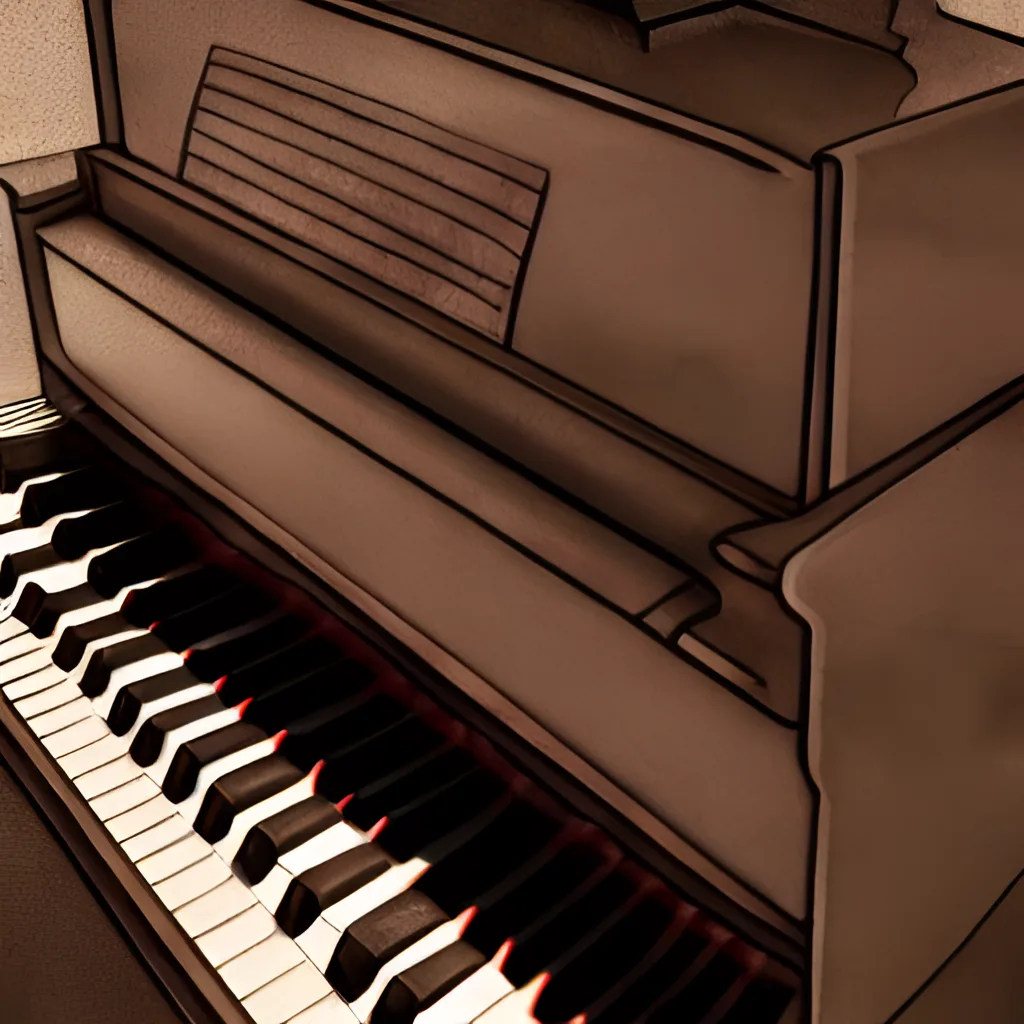
The words of Auld Lang Syne are linked to the Scottish poet Robert Burns, who wrote the song down and reworked it in 1788; it was later set to a Scottish folk melody. The melody is built broadly on the pentatonic scale, using only five notes in many places, so it is easy to pick up on the piano. It is often sung at New Year and at farewells, and when you play it, you can play it as if singing, keeping the melody warm and steady.
How to Count the Pick-up Bar
The pick-up note at the start of each phrase is easily played too early or too late, because it does not fall on the first beat of the bar.
Watch the detail
When practising, first count "one, two, three" of the previous bar, play the pick-up note on "four", and then move on into the next bar.
Once you are fluent, you do not need to count aloud, but keep the beat in your head so that the start of every phrase lands steadily where it should.
A Scottish Melody with Only Five Notes
Most of the melody of this song uses only five notes, that is, the pentatonic scale.
The pentatonic scale has no semitones, so it sounds bright and open, and it is easy to sing.
On the piano, if you play in F major, it is easy to find these five notes.
Three Main Chords
Played in F major, the song mainly uses three chords: F, B flat and C.
First mark the chord of each bar in the score, then practise moving the left hand among these chords.
If the B flat chord feels a little hard, you can start by playing just its bass note instead.

Accompanying a Singalong
At New Year gatherings, everyone often sings this song together.
When accompanying a group, keep the tempo steady and do not let the singers drag you faster or slower.
You can play a short introduction first to give everyone their starting note.
Common mistakes
- Burns recorded and reworked the words in 1788
- The melody comes from Scottish folk tradition
- Built broadly on the pentatonic scale
- Often sung at New Year and at farewells
You've read 29% of this article
Log in for free to read the remaining 71%
- Free to use
- No credit card needed
Plus, try Premium free for 7 days in the TIGA ALPHA app.
Continue with Google Sign up free Already a member? Log inChoosing the Register for Auld Lang Syne
On the piano, you can let the melody sing in the middle register, with the left hand accompanying in the low register.
The second time through, move the melody up an octave, and it will sound brighter.
A change of register can give the same melody a different feeling.
Left-Hand Accompaniment Choices
As a beginner, the left hand can play a single bass note, or a simple chord, on the first beat of each bar.
Once you are fluent, change to a bass note plus chord pattern, which gives the accompaniment more rhythm.
Whichever way you play it, the left hand should be quieter than the right.
Adding a Little of Your Own
Once you know the piece well, try adding simple decoration on the long notes, such as a passing note.
You can also change the left-hand pattern, for example using broken chords instead of neat block chords.
Small changes like these can slowly take you from "playing what is written" to arranging for yourself.
The Gentleness of Dotted Rhythms
There are quite a few dotted rhythms in the melody, with a long note followed by a short one.
Play dotted notes accurately, but not too stiffly, like the natural long and short of speech.
You can clap the rhythm and say it aloud first, then move it to the piano.
The Joy of Practising with Friends
This song is well suited to practising with family or friends: one person plays, the others sing, and you swap roles.
This not only practises steady accompaniment, but also shows you that when you accompany others, you must constantly watch their breathing and tempo.
Practising in a relaxed atmosphere is often easier for remembering the melody and chords than playing over and over alone with the score.
The Four-Beat Stride
This song is usually in four beats, with a steady rhythm, like everyone swaying slowly hand in hand.
Each phrase often begins with a pick-up note that enters on the last beat of the bar.
Play the pick-up note a little lighter so that the first beat of the next bar has more weight.
An Old Scottish Song
"Auld Lang Syne" is Scots, and means roughly "times long ago".
In 1788, Robert Burns recorded the words of this song and reworked them, and later it was joined with a folk melody.
Today it is sung at New Year and at farewells in many countries.
Why It Suits Beginners
This song has a simple melody, a narrow range and a clear rhythm, which makes it very suitable for beginners.
Once you have learned it, it becomes a piece you can play at any gathering.
Pieces you can use straight away often make learning the piano more fun.
A Growing Ending
When sung in a group, this song often becomes more and more fervent as it goes on.
The piano accompaniment can also slowly get stronger, then slow down slightly on the last time through.
You can hold the final chord for a moment and let the sound fade naturally.
Versions in Different Languages
This song has been translated into many languages, and in Chinese too there are different titles and lyrics.
Whatever language it is sung in, the melody is the same, which is where music crosses languages.
The melody played on the piano can accompany singing in any language.
FAQ
Q: What does this song have to do with Burns?
A: Burns recorded and reworked the words in 1788.
Q: What is special about its melody?
A: It is built broadly on the pentatonic scale, and is easy to sing and easy to play.
Q: Which key is convenient to play it in?
A: F major is convenient, mainly using the three chords F, B flat and C.
Q: What should you watch for when accompanying?
A: Keep the tempo steady, and play the left hand quieter than the right.
Q: Is it suitable for beginners?
A: Yes, the melody is simple and the rhythm is clear.
Start Practising with TIGA ALPHA
TIGA ALPHA is an AI piano teaching app built by a team in Thailand. The app is available in 10 languages: Thai, English, Chinese, Arabic, Japanese, Russian, Spanish, French, Hindi and Korean. Its CEO, Teacher Aum, has 20 years of experience teaching piano, and that teaching background shapes every lesson. When you play, the app listens and tells you which notes or beats to practise next, so the feedback is specific rather than generic. Use it as an online piano lessons app for short daily sessions, follow it as a complete online piano course, or combine it with lessons from a teacher. Whether you are starting from scratch, coming back after a long break, learning music alongside your children or simply playing for fun, your next step stays clear. New users get a 7-day free Premium trial, then US$24.99 per month.
- Download and start: TIGA ALPHA
- In-person lessons in Thailand: TIGA Studio
- About the company: tigaalpha.com