Behind-the-Scenes Content: How Musicians Build Trust
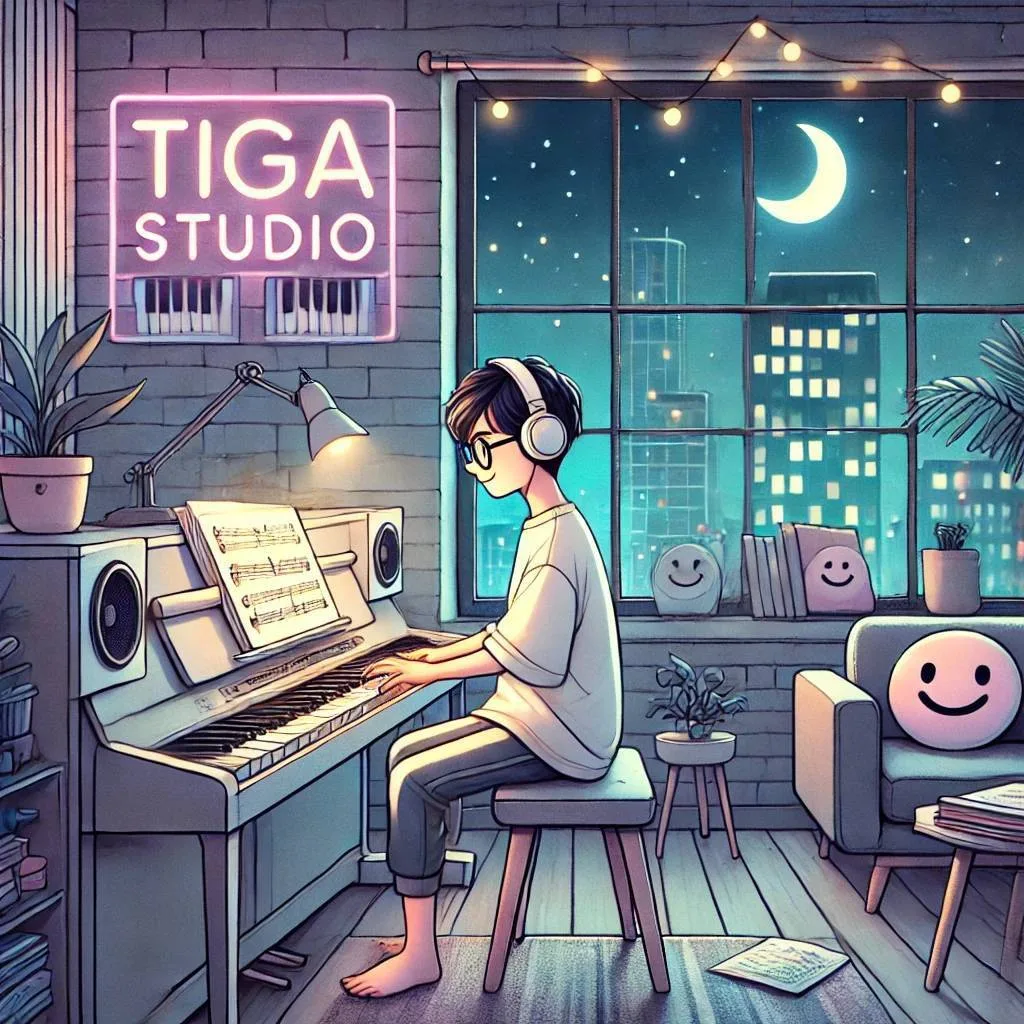
Behind-the-scenes content shows the work that happens before a finished song or concert: rehearsals, rough demos, practice mistakes, setting up a stage or planning a lesson. For musicians and music schools, it builds trust because audiences see real effort and real people rather than only polished results. The most effective process content is honest, regular and specific, and it invites people to follow the journey toward a release, a recital or a new skill.
Why the process interests people
Finished music can feel distant. A listener hears a song and has no idea how many hours went into it. When a musician shares a clip of a melody that is not working yet, followed weeks later by the final version, the audience suddenly understands the craft. That understanding creates a sense of connection.
There is also a teaching value. Many followers of musicians play an instrument themselves. Seeing how someone else practises, fixes a passage or chooses between two arrangements gives them ideas for their own playing.
For music schools and studios, showing the inside of a lesson or a student's progress over time helps parents and adult learners picture what studying there would be like. It answers questions that a brochure cannot.
Types of behind-the-scenes posts
- Practice clips: a short video of a difficult bar played slowly, then faster after a week.
- Draft comparisons: the first sketch of a song next to the finished track.
- Setup moments: tuning, arranging chairs for a student concert or adjusting microphones.
- Decision stories: why a teacher chose a particular piece for a student, or why a band changed a chorus.
- Mistakes and recoveries: a wrong note in rehearsal and how the group carried on.
Each type works best when it is brief and has a clear point. A thirty-second clip with a one-line caption is often easier to watch than a long, unedited recording.
Planning without losing honesty
Set a rhythm. Decide how often you will share process content, for example once a week. Regularity helps followers know when to expect updates.
Link to milestones. Connect posts to something coming up: a release date, a recital, the end of a term. This gives the series a sense of direction.
Keep it real. Avoid staging fake mistakes or exaggerating struggles. Audiences tend to notice when a moment feels acted. Simple, true moments carry more weight.
Respect privacy. In a teaching setting, always ask permission before filming students, and ask parents when students are children. Some people prefer to appear only as hands on the keys, which still shows progress clearly.
Measuring whether it works
Look beyond likes. Useful signs include comments asking questions about the process, messages from people who want to try lessons, and viewers who return to watch later updates in a series. If a type of post consistently sparks conversation, make more of it. If another type is ignored, try a different format or drop it.
It also helps to ask your audience directly. A short question at the end of a post, such as "Should I show the left-hand practice next week?", turns viewers into participants.
A simple four-week series for a teacher
Week one. Introduce a new piece a student is starting, showing only the first two bars played very slowly.
Week two. Show a practice strategy used in the lesson, such as hands separately or rhythm clapping.
Week three. Share a short clip of the student playing a longer section with fewer pauses.
Week four. Post the full performance at a home concert or lesson, with a caption about what changed over the month.
This kind of series shows progress in a way that is easy to follow and celebrates the student's effort.
FAQ
Q: Will showing mistakes make me look less skilled?
A: Usually the opposite. Showing how you solve problems demonstrates skill and makes you more relatable.
Q: How long should a behind-the-scenes clip be?
A: Short clips of under a minute are easiest to watch. Longer videos can work for dedicated fans.
Q: What if I have nothing interesting to show?
A: Everyday practice is interesting to people who are learning. Show one small problem and how you approached it.
Q: Do I need professional equipment?
A: No. A phone, steady support and decent lighting are enough for most process content.
Start sharing your practice journey with TIGA ALPHA
TIGA ALPHA is an AI piano teaching app built by a Thai team, with lessons in Thai, English and Mandarin. Its CEO, Teacher Aum, has 20 years of experience in piano teaching, and that music teaching background shapes every lesson, while piano teaching with AI gives you feedback each time you play piano. Use it as an online piano lessons app for short daily sessions, follow it as a complete AI online piano course, or combine it with a piano course or piano learning course led by a teacher. Whether you want to learn piano from zero, learn piano online after a long break, learn music alongside your children or simply play music for fun, this online piano teaching application keeps your next step clear. New users get a 7-day free Premium trial, then 799 THB/month. Open the piano teaching app below and pick a first lesson that fits your week.
- Download and start: TIGA ALPHA landing page
- In-person lessons in Thailand: TIGA Studio
- About the company: tigaalpha.com
People follow a journey more closely when they can see the road as well as the destination.