Burgmüller's Arabesque: The Second Étude of Op. 100

The Arabesque is the second of Friedrich Burgmüller's 25 Studies, Op. 100, in A minor and lively in tempo. Op. 100 was written in the middle of the nineteenth century and is a set of student studies still widely used today. This one is built mainly on flowing right-hand sixteenth notes, with the melody often hidden inside these moving figures, while the left hand supports with steadier chords or bass notes. It trains both evenness and clarity of the fingers, and how to make the main notes "sing" inside fast figures. When learning it, you can split "evenness" and "singing" into two steps: first make the sixteenth notes run evenly, then separately lift the melody notes out slightly.
Level and Tempo
Op. 100 as a whole is aimed at intermediate students, and the difficulties of this piece are flow, evenness and bringing out the melody.
The lively tempo written in the score is a goal to move towards later, and you do not need to rush to it on the first day.
First fix the phrases and fingering at a moderately slow tempo, then nudge the tempo up a little each day. If a place becomes uneven again after you speed up, take those few bars back to a slow tempo, practise them alone a few more times, and then reconnect.
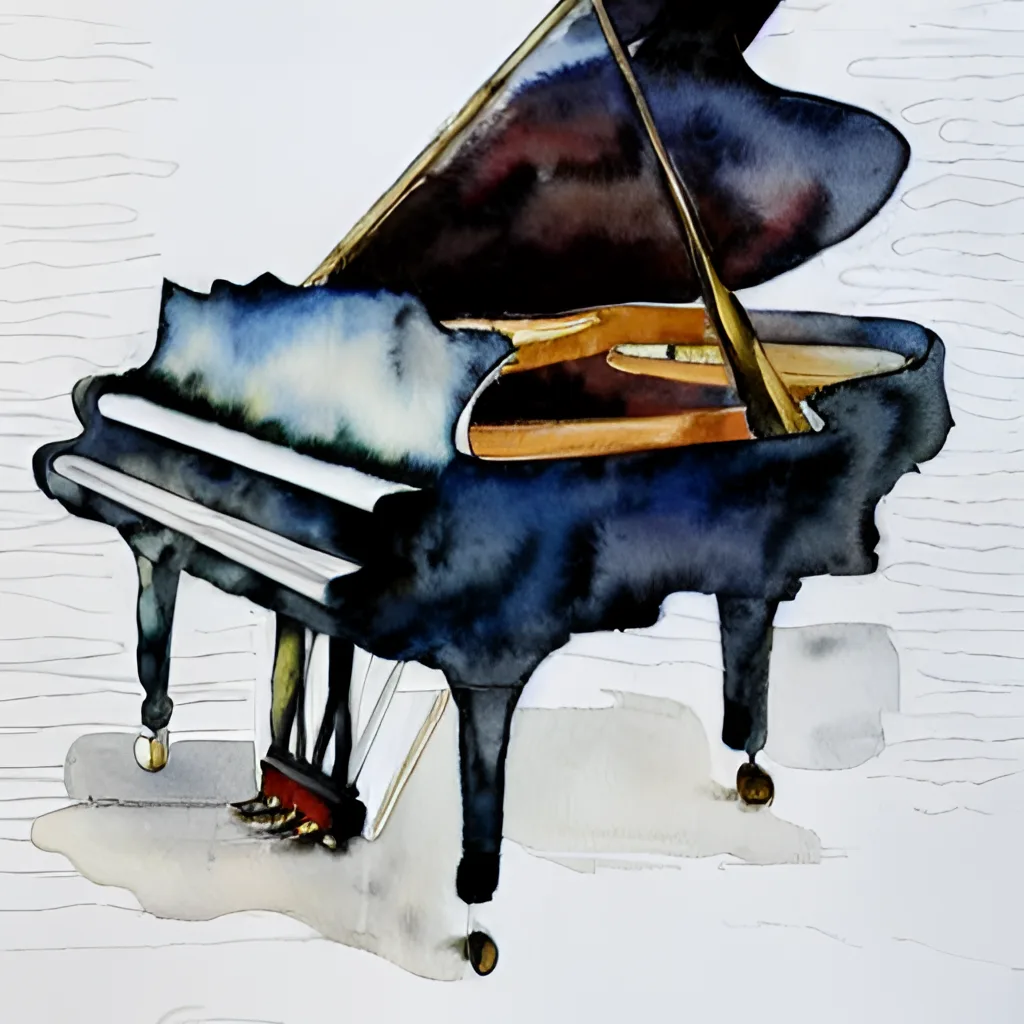
Summary of the Arabesque
Burgmüller's Arabesque is No. 2 of Op. 100, in A minor, written in the middle of the nineteenth century. The right hand flows in sixteenth notes, the melody is often hidden in the figures, and the left hand should be steady and slightly softer.
When practising, start slowly and find the melody notes first, then use changed rhythms to smooth out uneven spots, and speed up gradually.
You can ask Teacher Aum to listen for which notes should be heard.
A Steady Left Hand
The left-hand chords or bass notes are in charge of the beat and the harmony, and must not be carried along by the right hand.
First play the left hand steadily with a metronome, then put the hands together.
You've read 30% of this article
Log in for free to read the remaining 70%
- Free to use
- No credit card needed
Plus, try Premium free for 7 days in the TIGA ALPHA app.
Continue with Google Sign up free Already a member? Log inWhen the left hand is too loud, the flow of the right hand will be covered, so the left hand should usually hold back a little more than the right.
Finding the Melody in the Figures
In some phrases, the real melody is not all the sixteenth notes, but only the higher or longer ones among them.
You can first play only these melody notes, hear the phrase, and then lightly fill the passing notes back in between.
Doing this makes the piece "speak" more easily than playing a string of notes all equally soft and equally loud.
Ask Teacher Aum to Listen to the Melody Notes
In lessons you can ask Teacher Aum to listen to which notes in the flowing figures should be treated as the melody, and which only need to be touched lightly.
If some bars are uneven, you can also ask your teacher whether the fingering needs adjusting.
From one short étude, learn to keep the phrase alive inside fast figures.
Summary
- No. 2 of Burgmüller's 25 Studies, Op. 100
- A minor, lively tempo
- Main figure is flowing right-hand sixteenth notes
- A student étude from the middle of the nineteenth century
Changing Rhythms for Evenness
If one spot is always uneven, you can practise it with changed rhythms: first long-short long-short, then short-long short-long.
In this way each finger gets the emphasis in a different position.
Once you can play steadily even with the changed rhythms, return to even sixteenth notes.
The Colour of This Minor-Key Arabesque
This piece is built on A minor, which is slightly darker in colour than a major key, but because the figures are lively, it still sounds light.
Watch the accidentals, so you do not play wrong notes of the key in the flow.
At the end of a phrase, listen to whether it rests on the tonic chord of the minor key, or has briefly moved to another chord.
The Right-Hand Sixteenth Notes
The right hand spends most of its time running sixteenth notes, which should be even and also clear.
You can practise slowly first, with each note at about the same dynamic, and then speed up bar by bar.
When you meet a melody note that needs to stand out, add a little weight on that one note and keep the surrounding notes light.
What Kind of Studies Is Op. 100?
Burgmüller's Op. 100 contains twenty-five short studies, each with its own title that points to the feeling or technique the piece mainly practises.
They are not meant for showing off in concerts, but for letting students work on a certain touch or a certain figure within a complete little piece.
The Arabesque comes second, so from the start you meet continuously flowing figures.
The Title "Arabesque"
In piano pieces, "arabesque" often refers to a style of writing with many ornaments and winding lines, and does not necessarily correspond one to one with the folk music of any particular region.
By using this title, Burgmüller mainly suggests a continuous, curving and fairly light sense of flow.
When you play, imagine a curve that keeps moving forward, rather than beads being flicked out one by one.
FAQ
Q: Which set of studies is the Arabesque from?
A: Burgmüller's 25 Studies, Op. 100, where it is No. 2.
Q: What key is it in?
A: A minor.
Q: What is the main figure in the right hand?
A: Flowing sixteenth notes.
Q: How do you find the melody inside the figures?
A: First play the melody notes alone, then lightly fill the passing notes back in.
Q: What should you watch for in the left hand?
A: Keep the beat steady, and the volume usually holds back a little more than the right hand.
Practise with TIGA ALPHA
TIGA ALPHA is an AI piano teaching app built by a team in Thailand. The app is available in 10 languages: Thai, English, Chinese, Arabic, Japanese, Russian, Spanish, French, Hindi and Korean. Its CEO, Teacher Aum, has 20 years of experience teaching piano, and that teaching background shapes every lesson. When you play, the app listens and tells you which notes or beats to practise next, so the feedback is specific rather than generic. Use it as an online piano lessons app for short daily sessions, follow it as a complete online piano course, or combine it with lessons from a teacher. Whether you are starting from scratch, coming back after a long break, learning music alongside your children or simply playing for fun, your next step stays clear. New users get a 7-day free Premium trial, then US$24.99 per month.
- Download and start: TIGA ALPHA
- In-person lessons in Thailand: TIGA Studio
- About the company: tigaalpha.com