Case Study: How a Community Music Corner Gets Passersby to Sit Down and Play
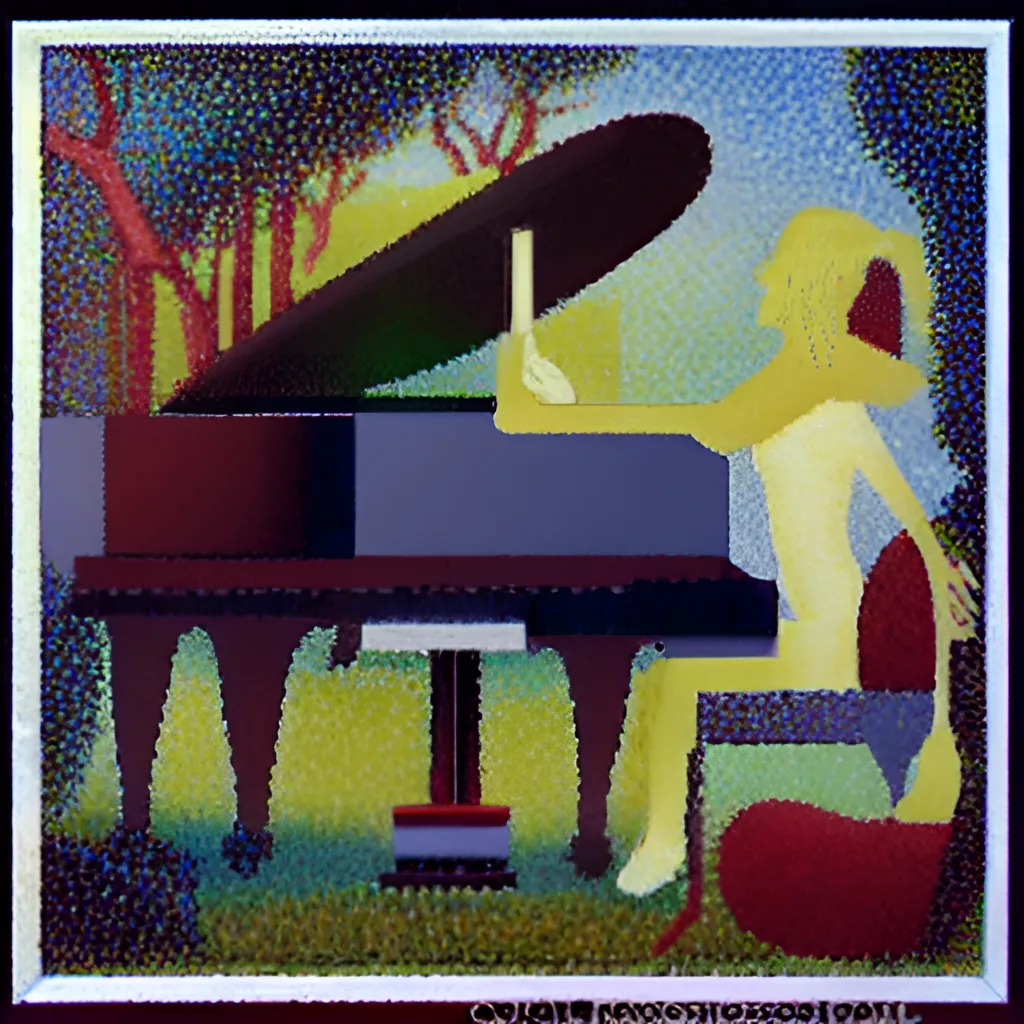
A community music corner is a piano placed in a public space such as a community centre, library, shopping mall or station, where any passerby can sit down and play a tune. This kind of project has appeared in many cities. There is no fixed model, but the thinking is similar: take music out of the classroom and the concert hall and make it part of everyday life. For a nearby music school, taking part in or supporting such a corner is a form of marketing that relies on experience rather than advertising. What follows is a general summary and does not refer to any particular organisation or brand.
Why This Approach Attracts People
- A public piano breaks down the feeling that "only people who have studied can play"
- Passersby who hear someone playing often stop, forming a natural gathering
- People who play get instant applause and response, and want to come back
- Photos and short videos help more people see the music corner on social media
Preparation
Working with the venue
First talk with the venue's management and confirm the position, opening hours, noise requirements and safety responsibility. Choose a spot with moderate foot traffic and some cover, avoiding direct sunlight and rain.
Choosing and looking after the piano
You can use an old acoustic piano or a durable digital piano. An acoustic piano needs regular tuning and checking, while a digital piano needs attention to its power supply and protection from water.
Simple instructions for use
Put a small sign beside the piano with the opening hours and rules of courtesy, for example "Please close the lid gently" and "Please play for about ten minutes so that the next person has a turn".
How a Music School Can Take Part
Regular small performances
Arrange a public performance by teachers or students once a month. It need not be long, twenty or thirty minutes is enough. Passersby hear music in different styles, and the school is naturally noticed.
You've read 29% of this article
Log in for free to read the remaining 71%
- Free to use
- No credit card needed
Plus, try Premium free for 7 days in the TIGA ALPHA app.
Continue with Google Sign up free Already a member? Log inSimple hands-on activities
Prepare a few simple starter cards, such as "play a nursery rhyme with three notes", so that people who have never learned can have a try too.
Leave contact details
Put a QR code on the sign beside the piano, linking to the school's introduction page. There is no need for a long sales pitch. Let interested people find out for themselves.

Things to Watch For
Volume and neighbours
In a public space many people are working, resting or talking. A digital piano can have its volume adjusted, while for an acoustic piano you should set opening hours and avoid quiet periods.
Responsibility for upkeep
Make clear who is responsible for cleaning, tuning and repairing damage, so that the piano does not become hard to use because nobody looks after it.
Content and image
When a music school takes part, it should focus on sharing music, not push people to enrol, and not collect passersby's personal information.
How to Judge the Results
You can record some simple observations:
- How many people stop to listen at each event
- How many people sit down and try playing
- How many times the QR code is scanned
- How many people contact the school with enquiries afterwards
Do not expect it to bring in many students in the short term. A community music corner is more like building a long-term relationship, letting people nearby gradually learn that there is a group here who love music.
Keeping the Music Corner Going
Many music corners are lively at the start and deserted a few months later. To keep one going, you can set up a small "music corner calendar" with one or two themes each month, such as a film music week or a parent-and-child sing-along day, so that regular visitors have something to look forward to. You can also invite nearby schools and choirs to perform in turn, making the music corner a place where different groups in the community meet.
How Students Grow at the Music Corner
For students at the school, the music corner is also a rare stage for practice. Playing a piece in front of strangers is quite different from playing it in front of your teacher. Students learn to stay focused in a noisy environment, and they also experience the joy of being applauded by strangers. A teacher can treat playing at the music corner as a goal for a stage of learning, have the student prepare a piece in advance, and talk about how it felt afterwards.
Frequently Asked Questions
Q: How much budget does it take to place a public piano?
A: It varies a great deal, depending on where the piano comes from, the venue costs and how often it is maintained. You can start with an old piano and simple upkeep.
Q: Will the piano be damaged?
A: It may be, so choose a venue where someone is in charge, set opening hours, and close the lid or lock it afterwards.
Q: How much time does a music school have to put in?
A: A performance or hands-on activity once a month, plus simple routine checks, does not take much time.
Q: Will it spoil the mood if a passerby plays badly?
A: The point of a music corner is to welcome everyone to try. Playing hesitantly is also a real form of taking part, and audiences are usually generous.
Q: Is a digital or an acoustic piano more suitable?
A: A digital piano suits indoor venues where volume must be controlled, and an acoustic piano suits open spaces where a more authentic sound is wanted.
Q: How can more people find out about the music corner?
A: You can post the opening hours and event calendar on the venue's noticeboard and in community groups, and invite people who have played to share their own videos, so that word of mouth spreads gradually.
Start Practising with TIGA ALPHA
TIGA ALPHA is an AI piano teaching app built by a team in Thailand. The app is available in 10 languages: Thai, English, Chinese, Arabic, Japanese, Russian, Spanish, French, Hindi and Korean. Its CEO, Teacher Aum, has 20 years of experience teaching piano, and that teaching background shapes every lesson. When you play, the app listens and tells you which notes or beats to practise next, so the feedback is specific rather than generic. Use it as an online piano lessons app for short daily sessions, follow it as a complete online piano course, or combine it with lessons from a teacher. Whether you are starting from scratch, coming back after a long break, learning music alongside your children or simply playing for fun, your next step stays clear. New users get a 7-day free Premium trial, then US$24.99 per month.
- Download and start: TIGA ALPHA
- In-person lessons in Thailand: TIGA Studio
- About the company: tigaalpha.com
A piano with its lid open is itself an invitation that says "come and play".