Debussy's The Sunken Cathedral: Bells Rising from the Sea
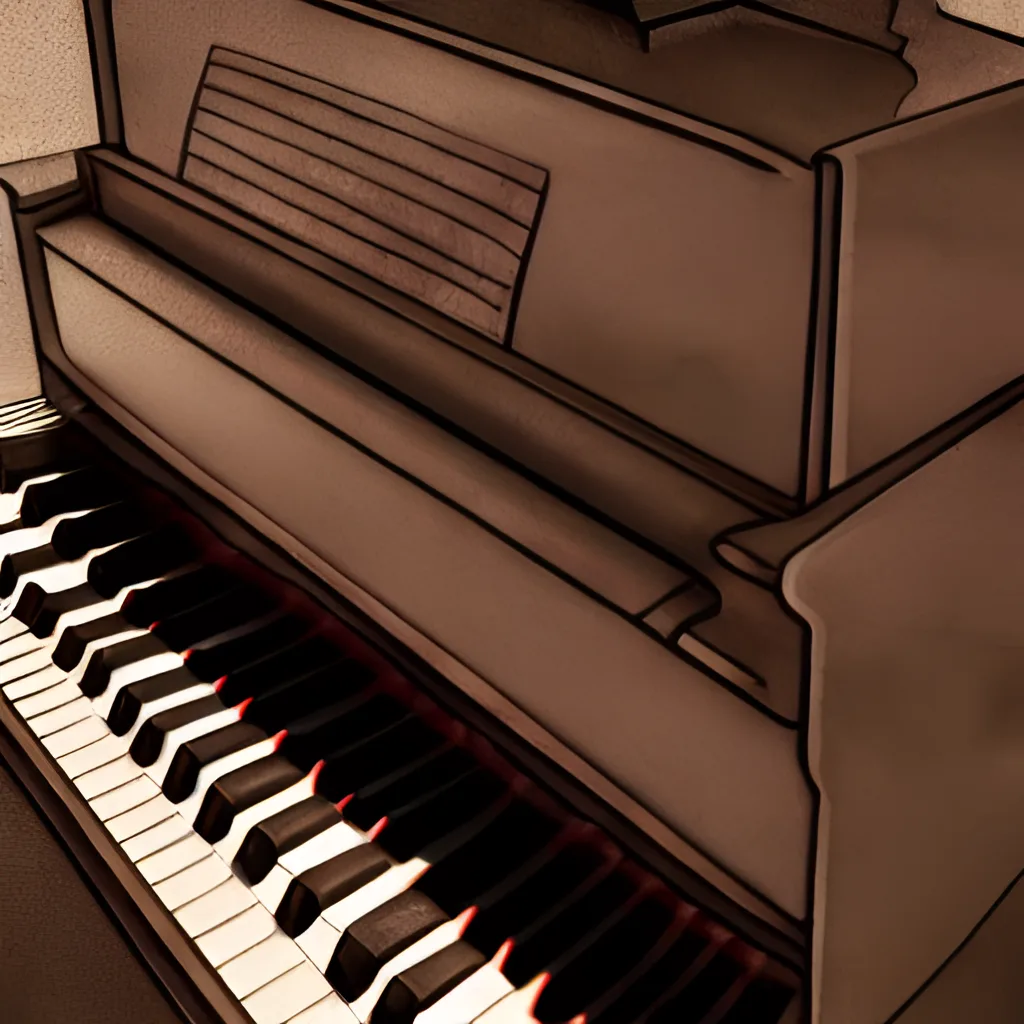
Among Debussy's twenty-four piano preludes, The Sunken Cathedral (La cathédrale engloutie) is the tenth piece in Book 1, which was written between 1909 and 1910 and published in 1910. The piece comes from an old legend of Brittany, in north-western France: a city sank beneath the sea, and its cathedral slowly rises out of the early-morning mist, with bells and singing sounding, before sinking back into the sea. With hollow low fifths, chords moving in parallel and long stretches of sustained sound, Debussy paints this picture of sound moving from far to near and near to far again. It is a very good piece for practising layers of tone colour and pedalling.
Summary of The Sunken Cathedral
The Sunken Cathedral is the tenth prelude of Debussy's Préludes, Book 1, which was written between 1909 and 1910. Its title is printed at the end of the piece, preceded by an ellipsis. It comes from the legend of the sunken city of Brittany. It opens with hollow fifths marked "Profondément calme", the parallel chords carry a medieval flavour, the bells draw closer and reach a climax in great C major chords, and then the cathedral sinks back to the sea floor.
Details to notice
Debussy's piano-roll recording from around 1913 has some passages roughly twice as fast, which is related to how the time signature is converted. The pedal should be changed carefully where the harmony changes, and half-pedalling is possible. The tone colour should separate far from near. It suits intermediate to advanced learners better.
The legend and the writing can be talked through with Teacher Aum.
Putting the Title at the End
Debussy's preludes have a distinctive habit: the title of each piece is printed not at the start but at the end of the music.
An ellipsis is also placed before the title, as if to say "this is only a hint".
He seems to have wanted the player to hear the music first and only then think of the picture in the title.
The Cathedral Sinks Again
After the climax the music gradually fades, and the chords return to a hazy low register.
The opening theme appears again, but more distant, as if heard through a layer of water.
At last the bells grow quieter and quieter, and the cathedral sinks once more into the depths of the sea.
You've read 30% of this article
Log in for free to read the remaining 70%
- Free to use
- No credit card needed
Plus, try Premium free for 7 days in the TIGA ALPHA app.
Continue with Google Sign up free Already a member? Log inDebussy's Twenty-Four Preludes
Debussy's piano Préludes are divided into two books, which together make exactly twenty-four pieces.
Book 1 was completed between 1909 and 1910, and Book 2 between 1912 and 1913.
The Sunken Cathedral is the tenth piece of Book 1, in the same book as The Girl with the Flaxen Hair.
Common misunderstandings
- Debussy, Préludes, Book 1, No. 10
- Book 1 was written between 1909 and 1910 and published in 1910
- It comes from the Breton legend of a sunken city
- Hollow fifths, parallel chords and long sustained sound
Separate Far from Near in Tone
The most important thing in playing The Sunken Cathedral is to separate far from near in sound.
The distant mist and sea water should be played very lightly and softly, while the nearby bells should be played thick and weighty.
The same chord sounds completely different when you sink into it slowly with the weight of your arm and when you touch it lightly with your fingertips.
The Tempo Puzzle in the Composer's Recording
Debussy himself recorded this piece on piano roll around 1913.
In that recording some passages are played about twice as fast as the score looks.
Many people think this is related to how the time signature in the score is converted, and pianists today still understand this point differently.
Talking About The Sunken Cathedral in Lessons
Before playing this piece, you can talk with Teacher Aum in lessons about the Breton legend and Debussy's way of writing.
How to play the C major chords at the climax broadly without harshness can also be tried out bit by bit in lessons.
From a single piece, you can step into the world where Debussy paints with sound.
The Hollow Fifths at the Start
The piece opens marked "deep and calm", with the left hand playing empty fifths and octaves in the low register.
The right hand plays equally open chords softly in the high register, leaving a lot of space in the middle.
These chords without thirds sound ancient and hazy, like a sea surface in mist.

Chords Moving in Parallel
In The Sunken Cathedral, many chords move up or down as whole blocks, in parallel.
This way of writing recalls the parallel organum of the Middle Ages, with the air of a church and ancient singing.
It is rarely written like this in traditional harmony, but in Debussy's hands it becomes a colour for painting a picture.
The Legend of the Sunken City in Brittany
In Brittany, in north-western France, an old legend is told.
In the legend, a city sank into the sea, and its cathedral was swallowed by the water along with it.
It is said that on a calm morning people can see the cathedral rise out of the mist, hear the bells and the monks' singing, and then watch it slowly sink back to the bottom of the sea.
Pedalling in The Sunken Cathedral
Almost every section of this piece needs the sustain pedal, so that the bass bells can ring on and on.
But if you keep the pedal down without changing it, the chords become muddy, so change it carefully wherever the harmony changes.
Sometimes you can change only halfway, leaving a little of the bass resonance while making the chords above clear.
What Level Is It Suitable For?
The notes in this piece are not especially fast, but the stretches are wide and the chords thick, so a fairly good hand span is needed.
The demands on tone colour and pedalling are very high, so it suits intermediate to advanced learners who already have a certain foundation.
Beginners can first listen to different pianists and feel the process of slowly rising and slowly sinking.
The Bells Draw Nearer
As the music develops, long notes like great bells appear in the low register, ringing one by one.
The volume slowly grows and the register slowly widens, like the cathedral rising bit by bit from the sea floor.
At the climax of the whole piece, great C major chords are played at full strength, as though the cathedral has completely emerged from the sea.
Frequently Asked Questions
Q: Which work is The Sunken Cathedral from?
A: Debussy's Préludes, Book 1, No. 10.
Q: When was this book written?
A: Between 1909 and 1910, and it was published in 1910.
Q: Where does the story of the piece come from?
A: The legend of the sunken city in Brittany, France.
Q: Where did Debussy print the titles of his preludes?
A: At the end of each piece, preceded by an ellipsis.
Q: What key is the climax of the whole piece in?
A: Great C major chords.
Practise with TIGA ALPHA
TIGA ALPHA is an AI piano teaching app built by a team in Thailand. The app is available in 10 languages: Thai, English, Chinese, Arabic, Japanese, Russian, Spanish, French, Hindi and Korean. Its CEO, Teacher Aum, has 20 years of experience teaching piano, and that teaching background shapes every lesson. When you play, the app listens and tells you which notes or beats to practise next, so the feedback is specific rather than generic. Use it as an online piano lessons app for short daily sessions, follow it as a complete online piano course, or combine it with lessons from a teacher. Whether you are starting from scratch, coming back after a long break, learning music alongside your children or simply playing for fun, your next step stays clear. New users get a 7-day free Premium trial, then US$24.99 per month.
- Download and start: TIGA ALPHA
- In-person lessons in Thailand: TIGA Studio
- About the company: tigaalpha.com