Delibes' Pizzicati: A Light Dance from the 1876 Ballet Sylvia

Pizzicati is a piece of music from the ballet Sylvia by the French composer Léo Delibes, which premiered in Paris in 1876. In this music the string instruments are not bowed but plucked with the fingers, producing a light, bouncing sound that goes with the dancer's nimble steps. Delibes also wrote another ballet, Coppélia, which premiered in 1870. It is said that the Russian composer Tchaikovsky admired the music of Sylvia. This pizzicato piece is often arranged for piano, and it is good material for practising light staccato.
Pedalling in Pizzicati
For most of Pizzicati your foot can stay off the pedal.
Details to notice
The pedal joins staccato notes together and loses the feeling of plucked strings.
Only in the legato melody of the middle section can you use a little pedal, gently.
Tchaikovsky's Admiration
It is said that Tchaikovsky admired the music of Sylvia very much after hearing it.
In his letters he praised Delibes' music as beautiful and charming.
The ballets that Tchaikovsky later wrote himself were also influenced by French ballet music.
Playing Pizzicati on the Piano
To play Pizzicati on the piano, use staccato to imitate the sound of plucked strings.
Every note should be short and light, with the fingers springing up quickly.
Do not play too loudly. It should feel like fingers lightly plucking strings.
The Legato Middle Section
In the middle section, which imitates woodwind instruments, change to a legato touch.
The melody should be fluent and connected, in contrast to the staccato before and after.
This contrast between staccato and legato is where the fun of the piece lies.
The Dancer's Steps
This music goes with the dancer's nimble, lively steps.
The dancer touches the floor lightly with the tips of her toes, in small, precise movements.
The sound of plucked strings and the lightness of the steps match each other very well.
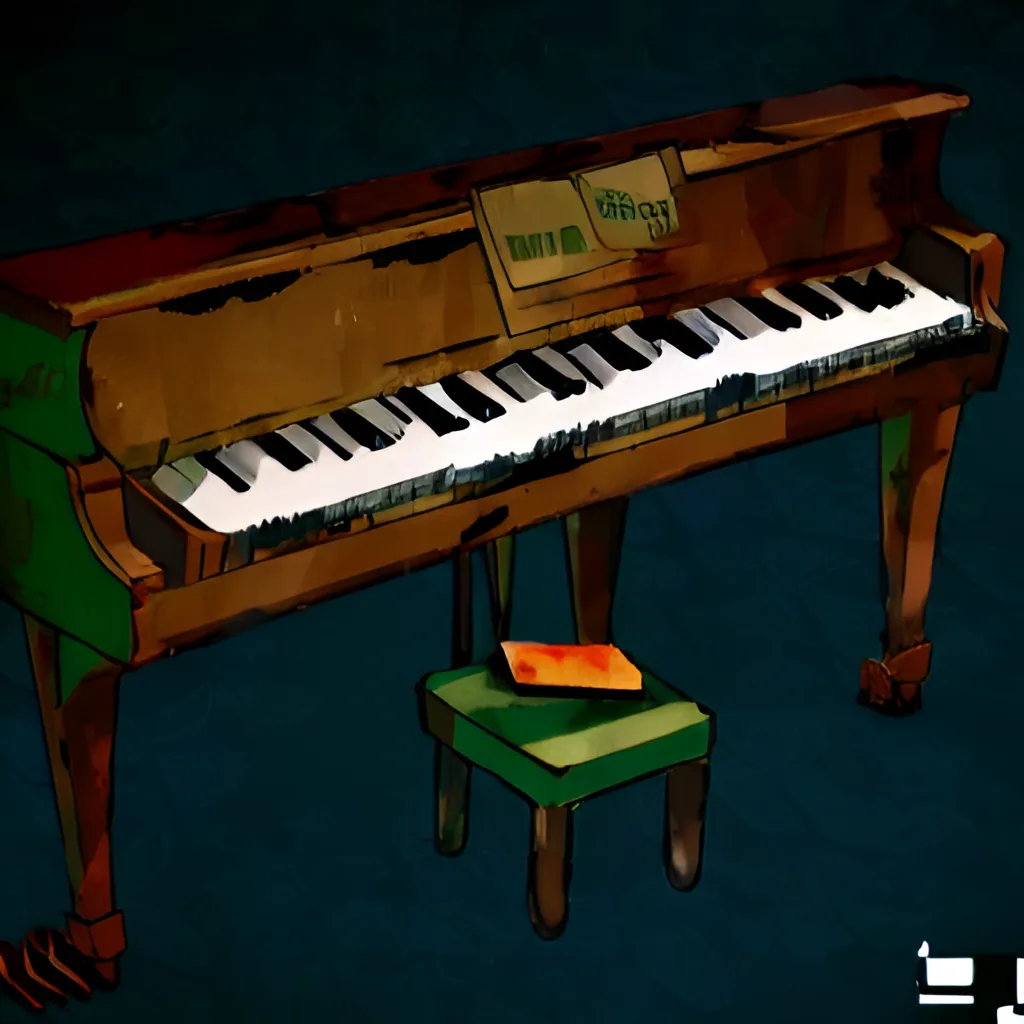
Staccato Technique
Keep the wrist loose and let the fingertips touch the key and leave at once, so that the sound is crisp like a plucked string.
You've read 30% of this article
Log in for free to read the remaining 70%
- Free to use
- No credit card needed
Plus, try Premium free for 7 days in the TIGA ALPHA app.
Continue with Google Sign up free Already a member? Log inDo not drop the whole arm down, because the sound will be too heavy.
Imagine your fingers touching something hot and springing away immediately.
Asking the Teacher to Listen to Your Staccato in Lessons
In lessons you can ask Teacher Aum to listen and tell you whether your staccato is light and even.
Piano scores of Pizzicati vary in difficulty, and which one to choose can also be decided together.
From Pizzicati, you can practise light staccato and contrasts of tone colour.
Summary of Pizzicati
Léo Delibes was born in 1836 and died in 1891. He wrote ballets and operas, and his opera Lakmé contains the Flower Duet. Coppélia, which premiered in 1870, tells of a mechanical doll that can dance. Sylvia, which premiered in Paris in 1876, is based on ancient Greek mythology and tells of a nymph in the service of the goddess of the hunt and a shepherd. Pizzicato means plucking the strings with the fingers instead of using the bow.
Pizzicati is in Act III and is a solo for the female dancer. The strings play a bouncing melody in pizzicato, and in the middle section the flute and other woodwinds play a flowing melody. It is said that Tchaikovsky admired this ballet. On the piano, imitate the plucking with short, light staccato, keep the wrist relaxed, change to legato in the middle section, and use very little pedal. You can compare it with the third movement of Tchaikovsky's Fourth Symphony and Strauss's Pizzicato Polka.
You can ask Teacher Aum to listen to whether your staccato is light.
Comparing Other Pizzicato Pieces
In Tchaikovsky's Fourth Symphony, the third movement is played entirely in pizzicato by the strings.
Johann Strauss also wrote a Pizzicato Polka.
Listen to these pizzicato pieces side by side, and you will hear how differently the "plucking of fingers" on strings can be done.
Coppélia
In 1870, Delibes' ballet Coppélia premiered, telling the story of a mechanical doll that can dance.
The ballet was very popular and made Delibes a famous ballet composer.
Six years later, he wrote Sylvia.
The Music of Pizzicati
Pizzicati appears in Act III of the ballet and is a solo for the female dancer.
The strings play a light, bouncing melody in pizzicato, like drops of water leaping.
In the middle there is a section in which the flute and other woodwind instruments join in, playing a flowing melody in contrast to the plucking.
- Music from Delibes' ballet Sylvia
- The ballet premiered in Paris in 1876
- The strings are plucked with the fingers
- Practise light staccato on the piano
What Is Pizzicato?
String instruments are usually played with a bow, which gives a connected, sustained sound.
Pizzicato means plucking the strings with the fingers instead of using the bow, producing a short, light sound.
In the score the Italian word for "plucked" is used, and the player puts down the bow and plucks with the fingers.
Who Was Delibes?
Léo Delibes was born in 1836 and died in 1891. He was a French composer.
He wrote many ballets and operas, with beautiful music and rich colours.
His opera Lakmé contains a duet, the Flower Duet, which is still often sung today.
The Story of Sylvia
The story of Sylvia is taken from a pastoral theme in ancient Greek mythology.
Sylvia is a nymph in the service of the goddess of the hunt, and a shepherd falls in love with her.
After many twists, the two are finally united.
Frequently Asked Questions
Q: Which ballet is Pizzicati from?
A: Delibes' Sylvia.
Q: In what year did the ballet premiere?
A: In 1876, in Paris.
Q: What is pizzicato?
A: Plucking the strings with the fingers instead of using the bow.
Q: What is Delibes' other ballet?
A: Coppélia, from 1870.
Q: What kind of touch imitates pizzicato on the piano?
A: Light staccato.
Practise with TIGA ALPHA
TIGA ALPHA is an AI piano teaching app built by a team in Thailand. The app is available in 10 languages: Thai, English, Chinese, Arabic, Japanese, Russian, Spanish, French, Hindi and Korean. Its CEO, Teacher Aum, has 20 years of experience teaching piano, and that teaching background shapes every lesson. When you play, the app listens and tells you which notes or beats to practise next, so the feedback is specific rather than generic. Use it as an online piano lessons app for short daily sessions, follow it as a complete online piano course, or combine it with lessons from a teacher. Whether you are starting from scratch, coming back after a long break, learning music alongside your children or simply playing for fun, your next step stays clear. New users get a 7-day free Premium trial, then US$24.99 per month.
- Download and start: TIGA ALPHA
- In-person lessons in Thailand: TIGA Studio
- About the company: tigaalpha.com