Falla's Ritual Fire Dance: A Midnight Dance from a 1915 Stage Work
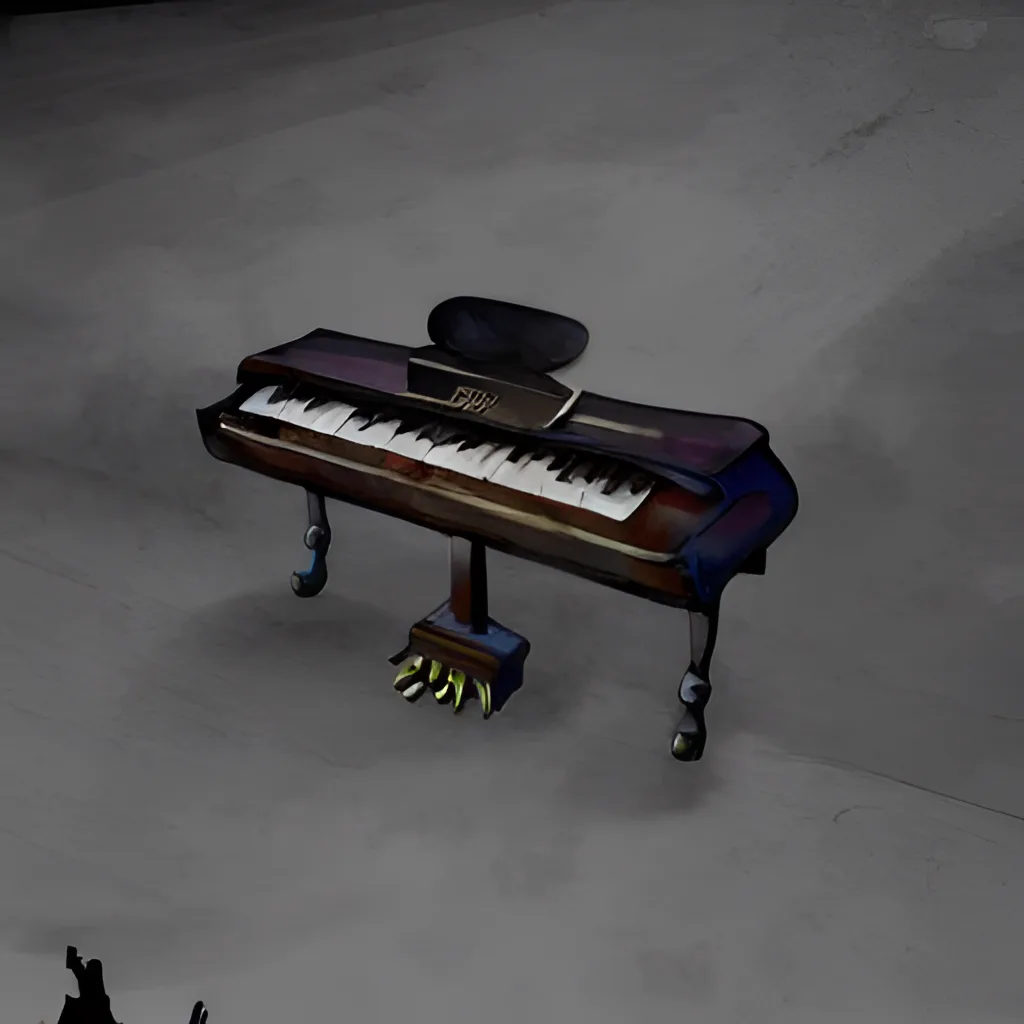
The Spanish composer Manuel de Falla staged El amor brujo (Love, the Magician), a work with singing and dancing, in Madrid in 1915. It includes a piece called the Ritual Fire Dance: in the story, the heroine dances around a fire at midnight, hoping to shake off the shadows of the past. In the music, the bass keeps repeating the same figure, trills in the high register flicker like flames, and the rhythm grows more and more tense. Falla later arranged it as a piano solo, and the piece has since become a favourite encore for many pianists.
Who Was Falla
Manuel de Falla was born in 1876 and died in 1946. He was born in Cádiz, in southern Spain.
Practice Order
He lived in Paris for many years and was in contact with French composers such as Debussy and Ravel.
His music blends Spanish folk music with the new harmony of the early twentieth century.

The Piano Arrangement
Falla arranged the Ritual Fire Dance as a piano solo, so that it could be played on its own in concerts.
The piano version keeps the original's bass figure, trills and driving rhythm.
The piece is not long, but its effect is powerful, which is why it is so often used as an encore.
The Foundation You Need for the Ritual Fire Dance
The Ritual Fire Dance is technically demanding. It needs steady trills, strong chords and good stamina.
It suits learners who already have a solid foundation and want to take on an expressive piece.
If you are not at that level yet, you can start with a simplified version.
Plan How to Practise the Ritual Fire Dance with Your Teacher
If you want to play the Ritual Fire Dance, you can plan your practice steps with Teacher Aum, for example working on the trills first, then the chords at the end.
You can also ask your teacher whether to go straight to Falla's original or begin with a simplified score.
This piece is excellent training for your sense of rhythm and expressiveness.
You've read 29% of this article
Log in for free to read the remaining 71%
- Free to use
- No credit card needed
Plus, try Premium free for 7 days in the TIGA ALPHA app.
Continue with Google Sign up free Already a member? Log inEl amor brujo
El amor brujo began as a stage work first performed in Madrid in 1915, with singing, spoken dialogue and dance.
Later, Falla revised it into a ballet.
From the story to the melodies, it is full of the flavour of southern Spain, where Cádiz is.
Trills Like Flames
The high register has many fast trills, like flickering flames.
These trills need to be even and bright, but not too heavy.
You can practise the trills slowly first, getting the two fingers to alternate smoothly, then gradually speed up.
The Repeating Bass Figure
From the very start, the bass plays the same short figure over and over.
This constant repetition gives the music a feeling of being drawn in and unable to stop.
On the piano this figure goes to the left hand, struck again and again like the unceasing drumbeat beside a fire.
Rhythm Growing More Tense
As the music develops, the rhythm becomes tighter and the dynamics stronger.
At the end, several powerful chords ring out again and again, like a ritual reaching its climax.
The dance beside the fire stops abruptly, and the last chord is like a flame leaping up.
The Story of the Ritual Fire Dance
In the story, the heroine feels haunted by the shadow of a former lover.
To free herself from it, she lights a fire at midnight and dances a ritual-like dance around it.
The Ritual Fire Dance portrays this tense and mysterious dance.
Listen For
- Falla was born in 1876 and died in 1946
- El amor brujo was staged in Madrid in 1915
- The heroine dances around a fire at midnight
- Falla himself arranged the piano solo version
The Ritual Fire Dance in Brief
Falla was born in 1876 and died in 1946. He was born in Cádiz and lived in Paris for many years. In 1915 he staged El amor brujo, with singing and dancing, in Madrid, and later turned it into a ballet. The Ritual Fire Dance portrays the heroine dancing around a fire at midnight, trying to shake off the shadow of a former lover.
The bass repeats the same figure, the trills in the high register are like flames, the melody has a Spanish flavour, and the rhythm grows tighter, ending abruptly after strong chords. The piano version arranged by Falla himself is often used as an encore. Repeated chords depend on the wrist, and the dynamics should be planned.
The piece is technically demanding, and you can plan your practice steps together with Teacher Aum.
How to Play the Repeated Chords in the Ritual Fire Dance
The ending has many fast repeated chords, which need a relaxed wrist and economical movement.
Do not pound them with the strength of your arm; let the wrist lead and keep it springy.
If your arm feels tense, slow down and adjust again.
Dynamic Layers in the Ritual Fire Dance
The piece has a big range of dynamics from soft to loud, and these need to be planned.
You can play the opening fairly softly and mysteriously, leaving room for the build-up that follows.
Then, at the end, push the dynamics to the climax.
The Melody of the Ritual Fire Dance
Above the trills and the bass, a melody with a Spanish flavour appears.
The melody often circles around a few notes, with a slightly mysterious feeling.
Slow Down
As you play, you can imagine the dancer's figure whirling in the firelight.
Frequently Asked Questions
Q: Which work is the Ritual Fire Dance from?
A: Falla's El amor brujo.
Q: When and where was this work staged?
A: 1915, in Madrid.
Q: What does the Ritual Fire Dance portray?
A: The heroine dancing around a fire at midnight, trying to shake off the shadow of the past.
Q: What are the trills in the high register like?
A: Flickering flames.
Q: Who arranged the piano version?
A: Falla himself.
Start Practising with TIGA ALPHA
TIGA ALPHA is an AI piano teaching app built by a team in Thailand. The app is available in 10 languages: Thai, English, Chinese, Arabic, Japanese, Russian, Spanish, French, Hindi and Korean. Its CEO, Teacher Aum, has 20 years of experience teaching piano, and that teaching background shapes every lesson. When you play, the app listens and tells you which notes or beats to practise next, so the feedback is specific rather than generic. Use it as an online piano lessons app for short daily sessions, follow it as a complete online piano course, or combine it with lessons from a teacher. Whether you are starting from scratch, coming back after a long break, learning music alongside your children or simply playing for fun, your next step stays clear. New users get a 7-day free Premium trial, then US$24.99 per month.
- Download and start: TIGA ALPHA
- In-person lessons in Thailand: TIGA Studio
- About the company: tigaalpha.com