Fauré's Après un rêve, Op. 7 No. 1: Dream and Waking in a French Song
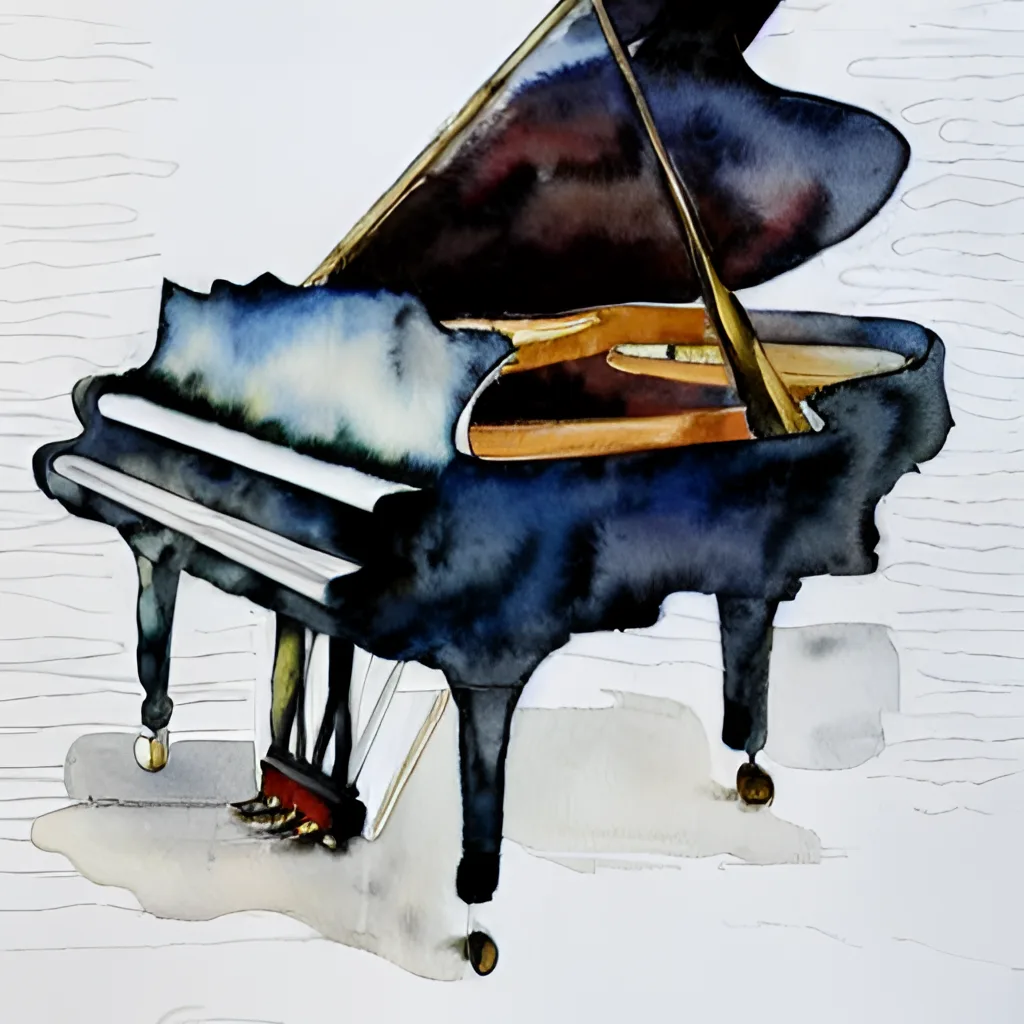
Après un rêve (After a Dream) is an art song written early in his career by the French composer Fauré, Op. 7 No. 1, composed around the late 1870s. The words are a French translation of a Tuscan folk poem from Italy, about a person who sees their beloved in a dream, and on waking is left only with loneliness, and so calls the dream to return. The piano supports the voice with a series of soft chords, and the melody is long and broad. It was later arranged for cello, violin and solo piano, among many other versions, and it is a good piece for practising singing melodies.
- Fauré's Op. 7 No. 1, an art song
- Written around the late 1870s
- The words are translated from an Italian Tuscan folk poem
- Arrangements exist for cello, violin and solo piano, among others
What Is an Art Song
An art song is a poem set to music by a composer, usually performed by a singer and a pianist.
Before You Begin
Unlike a pop song, in an art song the piano plays an important role, often expressing the mood of the poem together with the voice.
In France the art song is called the "mélodie", and Fauré is one of the important composers in this field.
A Meeting in the Dream
The words tell of a person who sees their beloved in a dream, and the two leave the earth together and walk towards the light.
In the dream, everything is so beautiful and so tender.
But in the second half of the song, the dream ends, and the loneliness of reality returns.
Read the Words First
When playing an arrangement of an art song, first understand what the words mean.
Once you know where the sweetness of the dream is and where the loss on waking is, you can find the right tone colours as you play.
If possible, you can also listen to several singers' versions first.
Who Was Fauré
Gabriel Fauré (1845-1924) was a French composer, organist and teacher.
He wrote many art songs, piano pieces and chamber works, in an elegant and delicate style.
He later became the director of the Paris Conservatoire, and his students included composers such as Ravel.
You've read 30% of this article
Log in for free to read the remaining 70%
- Free to use
- No credit card needed
Plus, try Premium free for 7 days in the TIGA ALPHA app.
Continue with Google Sign up free Already a member? Log inAprès un rêve in Brief
Après un rêve is Op. 7 No. 1 among the art songs of Fauré (1845-1924), written around the late 1870s. The words are a French translation of an Italian Tuscan folk poem. It tells of meeting a loved one in a dream, loneliness on waking, and calling on the night to let the dream return. The piano part is gently repeated chords, and the melody, in C minor, is long and broad.
It was later arranged for cello, violin, flute and solo piano, among others. In the piano version the melody should be full, the chords light, and the pedal should change with the delicate harmony. Before playing, you can read the words first. Fauré also wrote more than a hundred art songs, as well as nocturnes and barcarolles.
You can ask Teacher Aum to listen to the long phrases and the pedalling.
The Pedal in Après un rêve
The right foot's pedal is responsible for joining that series of gentle chords into one.
But Fauré's harmonic changes are very delicate, and the pedal must change in time with the harmony, or the sounds will blur together.
You can listen as you play, and whenever the sound turns muddy, it is time to change the pedal.
From Song to Cello
Players of low bowed strings especially love this song, and the cello version has almost become its second identity.
The cello's sound is deep and warm, very well suited to expressing the sadness of this song.
There are also arrangements for violin, flute and many other instruments, and a solo piano version too.
Ask Your Teacher to Listen to the Long Phrases of Après un rêve
You can play for Teacher Aum in your lessons, and ask your teacher to judge whether the long phrases are connected and whether the melody floats above the chords.
If the pedal changes are never clean, you can also ask your teacher to show you how to change while listening.
From one art song, you can experience how poetry and music come together.
Fauré's Other Songs
Fauré wrote more than a hundred art songs in his life, and among them Les berceaux and Clair de lune are also very popular.
He also wrote collections of piano pieces, such as the thirteen nocturnes and thirteen barcarolles.
Once you know Après un rêve, you can go on to listen to his other works.
The Piano's Chordal Accompaniment
The piano accompaniment is a series of soft, repeated chords, like a calm heartbeat in the night.
The chords change very delicately, often moving into another key without you noticing.
This accompaniment gives the voice a quiet, hazy background.
The Long Lines of Après un rêve
The vocal melody is very long and broad, often sung over many bars in a single breath.
The melody is in C minor, with a faint sadness, and becomes very passionate at the climax.
When playing the piano version, you should join each long phrase together, like a singer.

The Call After Waking
After waking, the person in the song is unwilling to accept that the dream has ended.
At the very end of the song they call the night to return, so that the dream can appear once more.
This change of feeling, from sweetness to loss and then to longing, is what makes the song so moving.
How to Play the Solo Piano Version
In the solo piano version, the right hand plays the melody, and sometimes also plays part of the accompanying chords at the same time.
The melody should be played full with the weight of the fingers, and the chords should lie lightly underneath.
Notice the Details
The left hand plays the bass and the other part of the chords, and should be steady and soft.
Frequently Asked Questions
Q: Who wrote Après un rêve?
A: The French composer Fauré.
Q: What is its opus number?
A: Op. 7 No. 1.
Q: Where do the words come from?
A: A French translation of an Italian Tuscan folk poem.
Q: What key is the vocal melody in?
A: C minor.
Q: What versions was it later arranged into?
A: Cello, violin, flute and solo piano, among others.
Start Practising with TIGA ALPHA
TIGA ALPHA is an AI piano teaching app built by a team in Thailand. The app is available in 10 languages: Thai, English, Chinese, Arabic, Japanese, Russian, Spanish, French, Hindi and Korean. Its CEO, Teacher Aum, has 20 years of experience teaching piano, and that teaching background shapes every lesson. When you play, the app listens and tells you which notes or beats to practise next, so the feedback is specific rather than generic. Use it as an online piano lessons app for short daily sessions, follow it as a complete online piano course, or combine it with lessons from a teacher. Whether you are starting from scratch, coming back after a long break, learning music alongside your children or simply playing for fun, your next step stays clear. New users get a 7-day free Premium trial, then US$24.99 per month.
- Download and start: TIGA ALPHA
- In-person lessons in Thailand: TIGA Studio
- About the company: tigaalpha.com