Fishing Boats Sing at Dusk: A Guzheng Classic's Evening Return
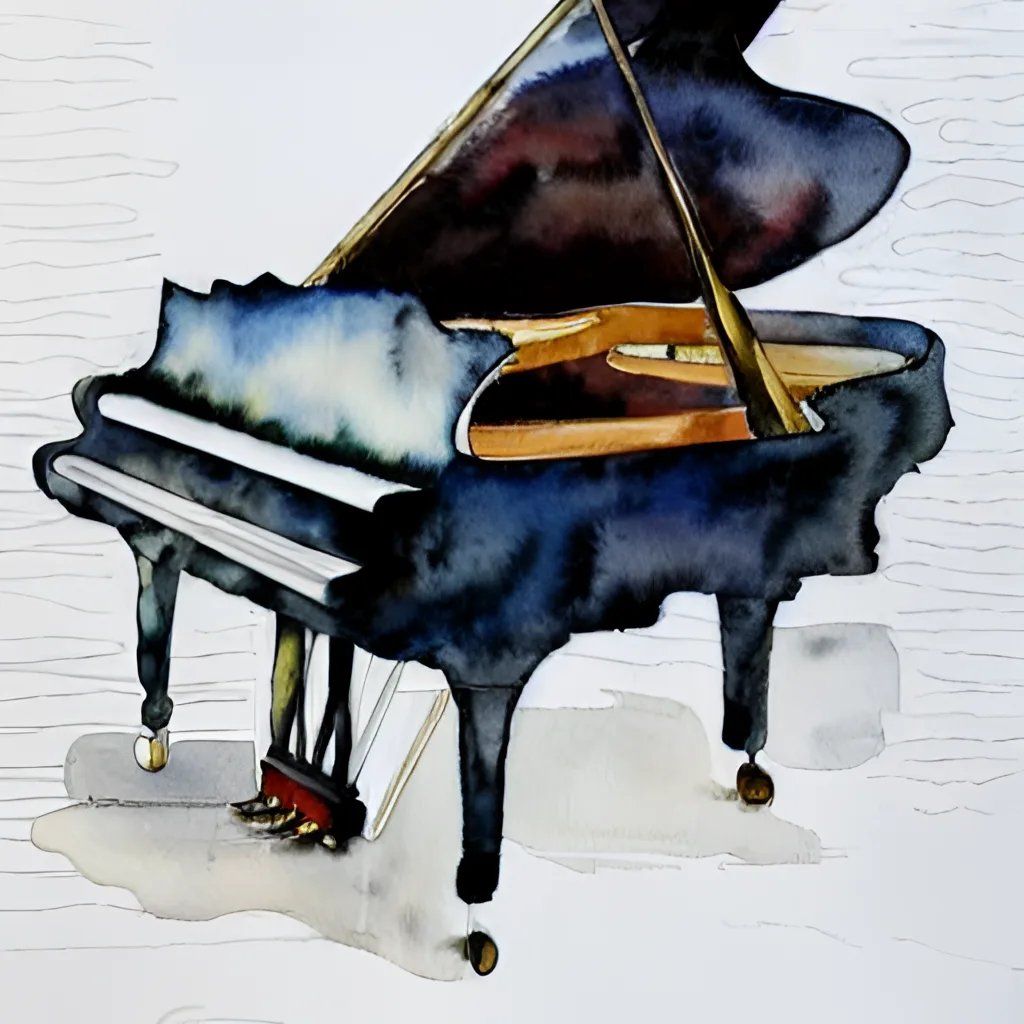
Fishing Boats Sing at Dusk is a widely known guzheng piece that portrays fishing boats returning full-laden as the sun sets, with the fishermen singing out loud. It is generally believed to have been adapted from an old tune by the guzheng player Lou Shuhua around the 1930s. The title comes from a line in a famous Tang dynasty essay. The piece begins with a lilting slow section, gradually speeds up, and ends in a lively, joyful mood. It also has many piano arrangements, which are well suited to practising pentatonic melody and building up tempo step by step.
- A guzheng piece adapted around the 1930s
- Depicts fishing boats coming home at dusk
- From slow to fast, building layer by layer
- The piano version imitates the guzheng's slides and sweeping glissandi
The Pentatonic Colour of the Fishermen's Song
The melody of this piece is built on the pentatonic scale, which gives it a distinctly Chinese character.
Another way to look at it
The mode of the whole piece has a bright colour, and the melody unfolds broadly.
Before playing it on the piano, you can play through the pentatonic scale it uses to get familiar with its notes.
The Slow Opening
The piece opens with a lilting, gentle melody, like a calm lake at sunset.
The melodic line is soft and full of decorative slides.
When playing this section, take your time and let every note sing.
The Lively Ending
The ending is very fast, with repeated figures and an excited atmosphere.
It finishes with a rising sweep, like boats reaching the shore as everyone cheers.
When you reach this part, keep the rhythm clear and do not let the speed make it fall apart.
Listen to the Original Guzheng Version First
Before you start on the piano version, find a recording of the original guzheng piece and listen a few times.
Notice how the slides, the sweeps and the tempo changes are handled.
With the sound of the original in your ear, you will have a clearer direction when you play the piano version.
Imitating the Guzheng's Slides
When playing the guzheng, the left hand often presses the strings to make slides, giving the pitch an expressive rise and fall.
You've read 30% of this article
Log in for free to read the remaining 70%
- Free to use
- No credit card needed
Plus, try Premium free for 7 days in the TIGA ALPHA app.
Continue with Google Sign up free Already a member? Log inThe piano cannot make true slides, but you can imitate them with ornaments or grace notes.
Play the ornaments lightly, and land on the main notes at exactly the right time.
Piano Arrangements of Fishing Boats Sing at Dusk: Easier and Harder
Piano arrangements of Fishing Boats Sing at Dusk come in different levels of difficulty.
Beginners can start with the slow opening section to get to know the melody.
As you improve, you can take on the full version with its fast passages.
The Rising Sweep Before the Boats Reach Shore
On the guzheng, a sweep is made by running a finger quickly across the strings, producing a sound like flowing water.
On the piano, you can let your fingers run up or slide down along the pentatonic scale in one go.
The sweep should be light and smooth, with dynamics going from soft to loud or loud to soft, like ripples on water.
Where the Title Comes From
The four characters of the title, "Yu Zhou Chang Wan", come from a famous line in a well-known parallel-prose essay of the Tang dynasty.
The original line describes the evening, when singing drifts from the fishing boats all the way to the distant shore of the lake.
The piece borrows these words to express the calm and joy of boats coming home on the lake at dusk.
Where the Piece Comes From
Fishing Boats Sing at Dusk is a solo piece for guzheng.
It is generally believed to have been adapted from an old tune by the guzheng player Lou Shuhua around the 1930s.
Today almost everyone who learns the guzheng plays it, and versions for piano, Chinese folk ensemble and more appear one after another.
The Left-Hand Sustained Notes of the Evening Return
In the piano version, the left hand often plays broken chords on the pentatonic scale, or sustained notes.
Keep the left hand light, leaving room for the right-hand melody.
In the fast passages, keep the left-hand rhythm steady to support the right hand.
The Gradually Quickening Middle Section
In the middle section the tempo gradually speeds up and the rhythm becomes livelier.
This suggests the boats rowing faster and faster and the fishermen growing more cheerful.
When playing, mind the step-by-step build-up of speed rather than a sudden jump.
Fishing Boats Sing at Dusk: A Summary
Fishing Boats Sing at Dusk is a guzheng piece adapted from an old tune by Lou Shuhua around the 1930s. Its title comes from a famous Tang dynasty essay. It portrays fishing boats coming home at dusk and the fishermen singing, moving from a lilting slow section that gradually speeds up and ends in a lively mood.
The melody is built on the pentatonic scale. In the piano version, you can imitate the slides with ornaments and the sweeps with fast pentatonic runs. Practise the tempo build-up in sections until each is steady and then join them, and keep the left hand light and steady.
You can begin with the slow section, and listen to the original guzheng piece before playing. Choosing an arrangement and deciding how to shape it can be discussed with Teacher Aum in lessons.

Discussing Interpretation in Lessons
In lessons you can ask Teacher Aum to help you choose a suitable arrangement.
You can also discuss with your teacher how to bring out the guzheng's character on the piano.
For the passages where the tempo builds, you can ask your teacher to check whether the rhythm is steady.
Practising the Tempo Build-Up
Because the piece has clear tempo changes, you can practise it in sections.
First get each section steady at a speed you can control, then link several sections together.
Watch the details
When linking, make sure the tempo changes transition naturally.
FAQ
Q: What instrument was Fishing Boats Sing at Dusk originally written for?
A: The guzheng.
Q: When is it generally believed to have been adapted?
A: Around the 1930s.
Q: How does the tempo change in the piece?
A: From slow to fast, building layer by layer.
Q: How can the piano imitate slides?
A: With ornaments or grace notes.
Q: How can the piano imitate sweeps?
A: With fast pentatonic runs up or down.
Start practising with TIGA ALPHA
TIGA ALPHA is an AI piano teaching app built by a team in Thailand. The app is available in 10 languages: Thai, English, Chinese, Arabic, Japanese, Russian, Spanish, French, Hindi and Korean. Its CEO, Teacher Aum, has 20 years of experience teaching piano, and that teaching background shapes every lesson. When you play, the app listens and tells you which notes or beats to practise next, so the feedback is specific rather than generic. Use it as an online piano lessons app for short daily sessions, follow it as a complete online piano course, or combine it with lessons from a teacher. Whether you are starting from scratch, coming back after a long break, learning music alongside your children or simply playing for fun, your next step stays clear. New users get a 7-day free Premium trial, then US$24.99 per month.
- Download and start: TIGA ALPHA
- In-person lessons in Thailand: TIGA Studio
- About the company: tigaalpha.com