Granular Synthesis: Cutting Sound into Grains and Recombining It
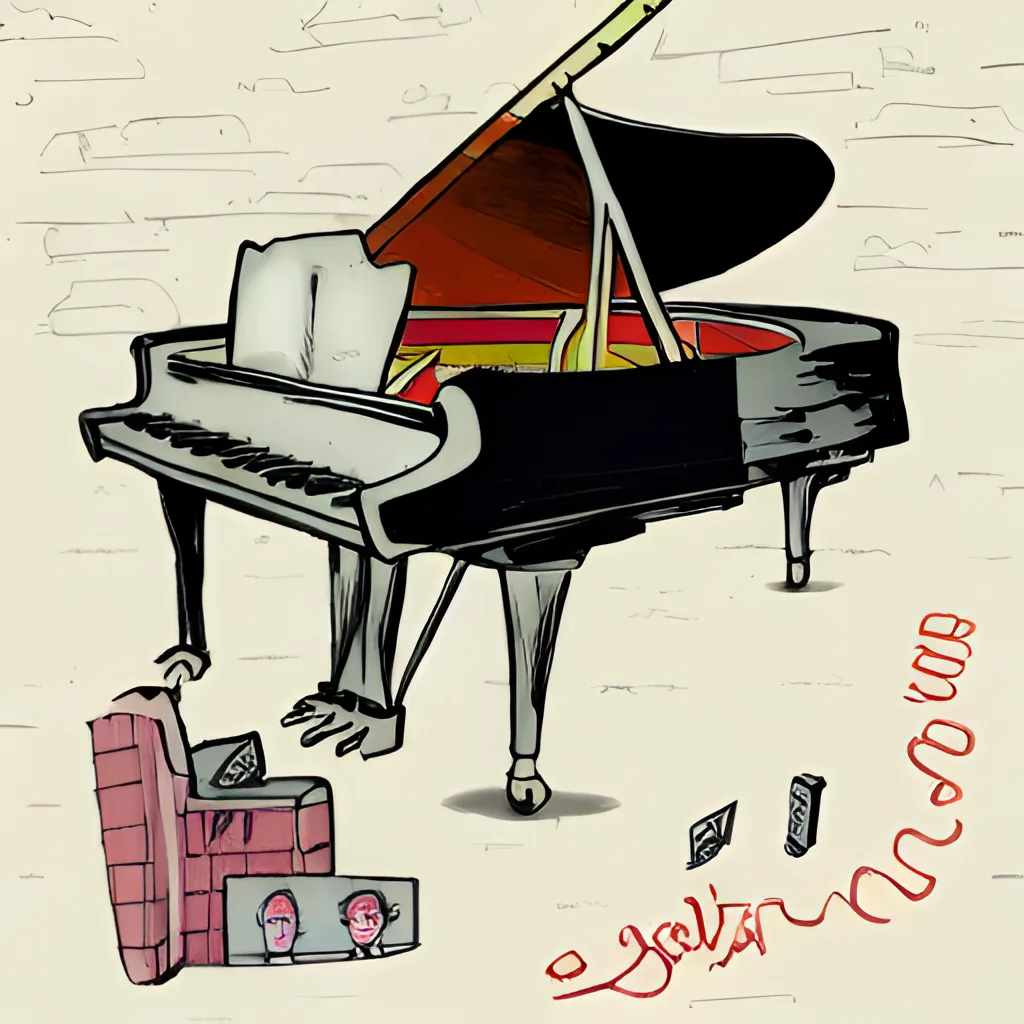
Granular synthesis is a way of processing sound. First a recording is cut into a huge number of very short fragments, called "grains", each so short that you can barely recognise the original sound on its own. Then the grains are played back in new ways, with changes to their order, density, pitch and position. Thousands of grains woven together create a sound texture like mist, flowing water, grains of sand or twinkling starlight. With this method, even a simple piano note can be stretched, frozen or turned into a slowly flowing backdrop.
Understanding Grains Through an Analogy
Imagine a recording as a photograph. Normal playback is like looking at the whole photograph from left to right; granular synthesis is like cutting the photograph into many small pieces, then picking them at random, stacking them and rearranging them. Each piece keeps a little of the original photo's colour, but the picture you put together may look completely different from the original.
Every grain has its own little shape
To avoid clicks when grains switch, each grain has a very short fade-in and fade-out, like a tiny rise and fall in volume. It is these soft edges that make a large number of layered grains sound smooth and natural.
Key Parameters That Shape the Sound
Different software uses slightly different names, but most granular synthesis tools offer the following controls:
- Grain length: the shorter it is, the more it sounds like noise and texture; the longer it is, the more of the original sound you can hear.
- Density: the more grains at the same time, the thicker the sound and the more it resembles a cloud.
- Playback position: which part of the recording the grains are taken from; it can be fixed or moved slowly.
- Pitch: each grain can be raised or lowered individually.
- Randomness: adding a little randomness to position, pitch or panning makes the sound feel more alive.
Changing any one of these clearly changes the result. When you first try it, changing just one parameter at a time makes it easier to hear what it does.
You've read 31% of this article
Log in for free to read the remaining 69%
- Free to use
- No credit card needed
Plus, try Premium free for 7 days in the TIGA ALPHA app.
Continue with Google Sign up free Already a member? Log in
Freezing and Stretching: The Most Common Effects
One reason granular synthesis is so popular is that it lets you treat time and pitch separately. Slowing down normal playback makes the sound lower; with granular synthesis, you can stretch a piano's decay out very long while the pitch stays the same.
If you hold the playback position at one point and keep taking grains from the same place, the sound seems to be "frozen" and becomes a sustained note. The long, slowly changing backdrops heard in much ambient music and film scores are made with similar methods.
How It Is Used in Making Music
Granular synthesis is often used to make background atmosphere, transitions and experimental sounds. A creator can record a piano chord, turn it into a soft cloud of sound, and then play a clear melody on top of it; they can also turn a voice, rain or street sounds into rhythmic, pointillist textures.
Let the original sound and the processed sound talk to each other
An interesting approach in live performance is to play an acoustic note first, and then let granular synthesis slowly take over the decay and expand it into a larger space. The audience feels as though the sound has "grown" out of the piano.
Tips for Trying It Out
Granular synthesis has many possibilities, and it is easy to go too far all at once. It is best to start with a clear, simple recording, such as a single piano note or one chord, rather than a complex passage of music. Compare before and after often, and listen for whether the sound has become too muddy or too harsh.
Also pay close attention to volume. When you raise the grain density, the overall volume can rise quickly, so be especially careful when listening on headphones.
Granular Synthesis and Listening Habits
Another thing granular synthesis gives us is a change in how we listen. Normally when we hear a piano note, we pay attention to its pitch and length; once it is broken into grains, we begin to notice the percussive attack at the start, the brightness in the middle and the overtones slowly disappearing in the decay. Many sound designers suggest that beginners process the same material into several versions, such as a very sparse, pointillist version, a very dense, cloud-like version and a slowly moving frozen version, and compare them in turn. This process needs no complicated technical knowledge, yet it can make your ears sharper.
People learning the piano can also draw inspiration from it. When you play a long note, listen carefully to every stage from start to finish, try changing the feel of the attack with different touches, and use the pedal to change the length of the decay. Granular synthesis magnifies sound to the level of detail, and piano practice needs the same patience with detail.
FAQ
Q: Does granular synthesis need a powerful computer?
A: A large number of grains uses more processing power, but a lot of software runs smoothly on an ordinary computer.
Q: Can I use piano recordings for granular synthesis?
A: Yes. The piano's rich decay makes it very good source material.
Q: What is the difference between granular synthesis and ordinary reverb?
A: Reverb simulates reflections in a space, while granular synthesis takes sound apart and reassembles it, which can produce completely different textures.
Q: Do children learning the piano need to know about granular synthesis?
A: It is not necessary, but as an area of sound exploration it can help children listen to sound more carefully.
Start practising with TIGA ALPHA
TIGA ALPHA is an AI piano teaching app built by a team in Thailand. The app is available in 10 languages: Thai, English, Chinese, Arabic, Japanese, Russian, Spanish, French, Hindi and Korean. Its CEO, Teacher Aum, has 20 years of experience teaching piano, and that teaching background shapes every lesson. When you play, the app listens and tells you which notes or beats to practise next, so the feedback is specific rather than generic. Use it as an online piano lessons app for short daily sessions, follow it as a complete online piano course, or combine it with lessons from a teacher. Whether you are starting from scratch, coming back after a long break, learning music alongside your children or simply playing for fun, your next step stays clear. New users get a 7-day free Premium trial, then US$24.99 per month.
- Download and start: TIGA ALPHA
- In-person lessons in Thailand: TIGA Studio
- About the company: tigaalpha.com
Broken into countless tiny grains, even one short piano note can become a whole landscape that breathes.