Grieg's Notturno, Op. 54 No. 4: Birdsong on a Nordic Summer Night
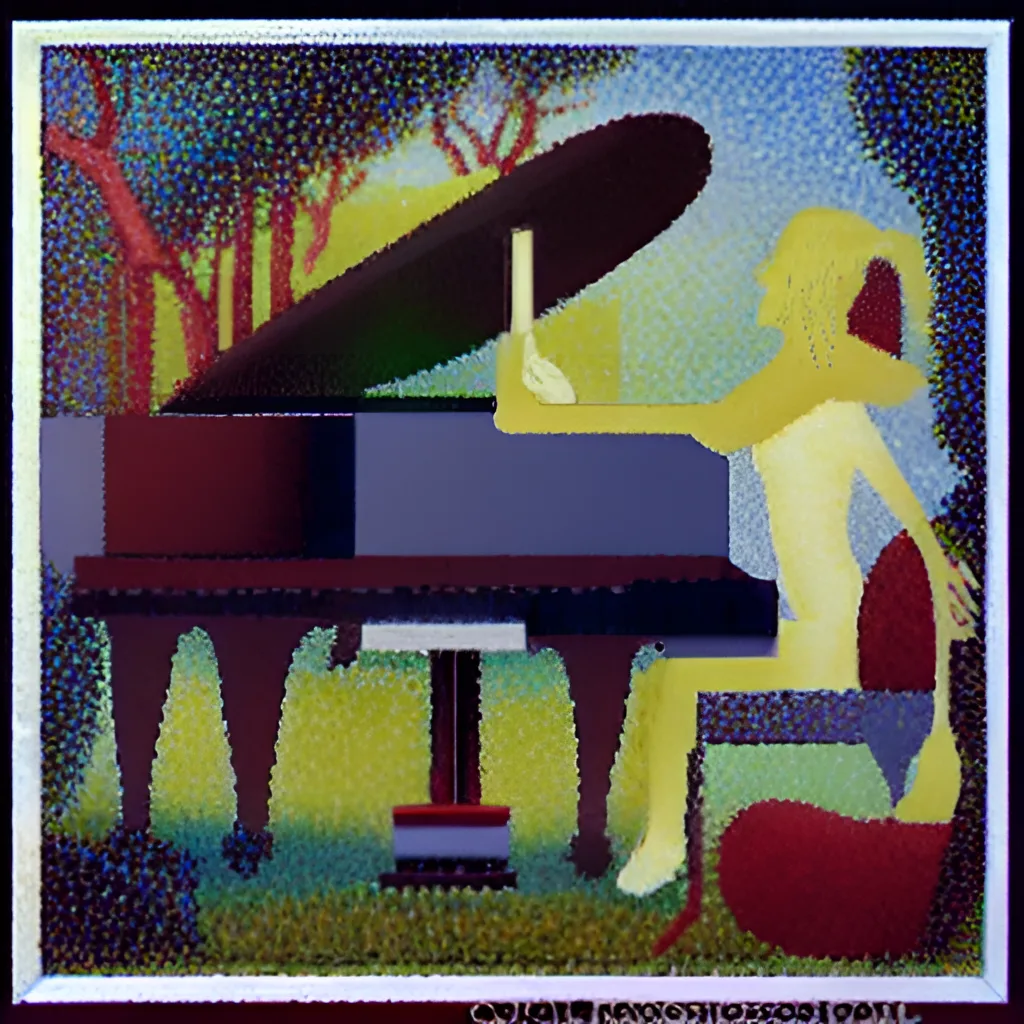
Notturno is a short piano piece by the Norwegian composer Grieg. It appears in Book 5 of his Lyric Pieces, Op. 54, published in 1891, and is the fourth piece of that book. It is in C major. At the start the right hand plays a quiet, gentle melody while the left hand softly plucks out broken chords, like the not-quite-dark sky of a Nordic summer night. In the middle section the music grows gradually more agitated, and then strings of trills and short figures appear in the high register, often heard as the calls of night birds. Finally the opening melody returns and the piece ends in quiet. It is not long, and it is a good piece for practising a singing melody and delicate tone colour.
Grieg's Piano Language
Grieg's short piano pieces often combine the flavour of Norwegian folk music with Romantic harmony.
He liked to use unexpected chords that give the music a cool Nordic colour.
In Notturno, too, you can hear this kind of delicate, distinctive harmony.
Ask Your Teacher to Listen to the Birdsong in Notturno
In lessons you can play for Teacher Aum and ask your teacher to judge whether the trills are light and clear.
You can also ask for help listening to the balance of volume between the melody and the left-hand chords.
From a short Nordic piece, you can play out the calm of a summer night.
The Agitation in the Middle of Notturno
In the middle of the piece the music gradually becomes agitated, the harmony richer and the dynamics louder.
This passage is like a sudden surge of feeling in the night.
But the agitation does not last long, and the music soon quietens again.
- It appears in Lyric Pieces Book 5, Op. 54
- Published in 1891, the fourth piece
- In C major, with a quiet, gentle melody
- The trills in the high register of the middle section sound like night birds
The Calls of the Night Birds
After the middle section, strings of trills and short figures appear in the high register.
These sounds are often heard as the calls of night birds, answering one another in the quiet night sky.
You've read 30% of this article
Log in for free to read the remaining 70%
- Free to use
- No credit card needed
Plus, try Premium free for 7 days in the TIGA ALPHA app.
Continue with Google Sign up free Already a member? Log inWhen you play these trills, play them lightly and clearly, like birdsong coming from far away.
Practising the Trills
When playing birdsong-like trills, keep your fingers relaxed and alternate two notes quickly with your fingertips.
Do not use too much force, or the trill will become heavy and uneven.
You can practise slowly first and then gradually speed up.
Grieg's Notturno in Brief
Grieg's Notturno is in Book 5, Op. 54, of the ten books and sixty-six Lyric Pieces. It was published in 1891 and is the fourth of the six pieces in this book. In C major, it is often thought to describe a Norwegian summer night when the sky does not quite go dark. At the start the right-hand melody is quiet and gentle while the left hand softly plucks broken chords; the middle gradually becomes agitated, then trills and short figures in the high register sound like night birds, and finally the opening melody returns and the piece ends gently in C major.
Grieg often combined the flavour of folk music with Romantic harmony. This piece suits someone who has played for two or three years, can play clear trills and knows how to use the pedal. The trills should be relaxed and light, the melody should be sung before it is played, and the layers should be distinct.
You can ask Teacher Aum to listen to the birdsong-like trills.
The Left-Hand Broken Chords in Notturno
The left hand softly plays broken chords, flowing slowly as if through the night.
These chords should sound very light, keeping a distance from the right-hand melody.
You can use the sustain pedal to join the chords together, but change the pedal as the harmony changes.
Let the Melody of Notturno Sing
When you play the melody of Notturno, you can sing it first to feel the breathing of each phrase.
Keep the fingers of your right hand close to the keys and let the weight of your arm send the sound out naturally.
There should be layers of volume between melody and accompaniment, with the melody on top and the accompaniment below.
Lyric Pieces, Book 5
From 1867 to 1901, Grieg published ten books of Lyric Pieces in succession.
Book 5, Op. 54, was published in 1891 and has six pieces.
Notturno is the fourth of them and is one of the pieces from this book that is often played.
A Nordic Summer Night
In Norway, summer nights often do not get completely dark, and the sky keeps a faint glow.
Grieg's Notturno is often thought to describe such a quiet, bright summer night.
There is no darkness or sorrow in the piece, only a gentle, peaceful atmosphere.
The Melody Returns
After the birdsong, the gentle melody from the beginning returns.
This time it unfolds slowly in an even quieter atmosphere.
Finally the piece ends softly on a chord of C major, like the night slowly sinking into stillness.
How Hard Is Notturno?
Notturno is not long, but it requires delicate control of tone colour and steady trills.
Someone who has played for two or three years, can play clear trills and knows how to use the sustain pedal can generally start trying it.
The opening and ending are fairly easy, while the middle section and the birdsong passages need a little more time.

The Gentle Opening Melody
At the start of the piece, the right hand plays a quiet, gentle melody, like speaking softly.
The melody has few notes and a calm rhythm, and each phrase has its own natural rise and fall.
Try it
When you play, let the melody sing, but do not let the sound become too loud.
FAQ
Q: Which work of Grieg's contains Notturno?
A: Lyric Pieces Book 5, Op. 54.
Q: In which year was it published?
A: 1891.
Q: What key is the piece in?
A: C major.
Q: What are the trills in the high register after the middle section often heard as?
A: The calls of night birds.
Q: How many Lyric Pieces did Grieg write in all?
A: Sixty-six.
Start practising with TIGA ALPHA
TIGA ALPHA is an AI piano teaching app built by a team in Thailand. The app is available in 10 languages: Thai, English, Chinese, Arabic, Japanese, Russian, Spanish, French, Hindi and Korean. Its CEO, Teacher Aum, has 20 years of experience teaching piano, and that teaching background shapes every lesson. When you play, the app listens and tells you which notes or beats to practise next, so the feedback is specific rather than generic. Use it as an online piano lessons app for short daily sessions, follow it as a complete online piano course, or combine it with lessons from a teacher. Whether you are starting from scratch, coming back after a long break, learning music alongside your children or simply playing for fun, your next step stays clear. New users get a 7-day free Premium trial, then US$24.99 per month.
- Download and start: TIGA ALPHA
- In-person lessons in Thailand: TIGA Studio
- About the company: tigaalpha.com