Instrument Rental Trial Periods: Lowering the Bar for Parents
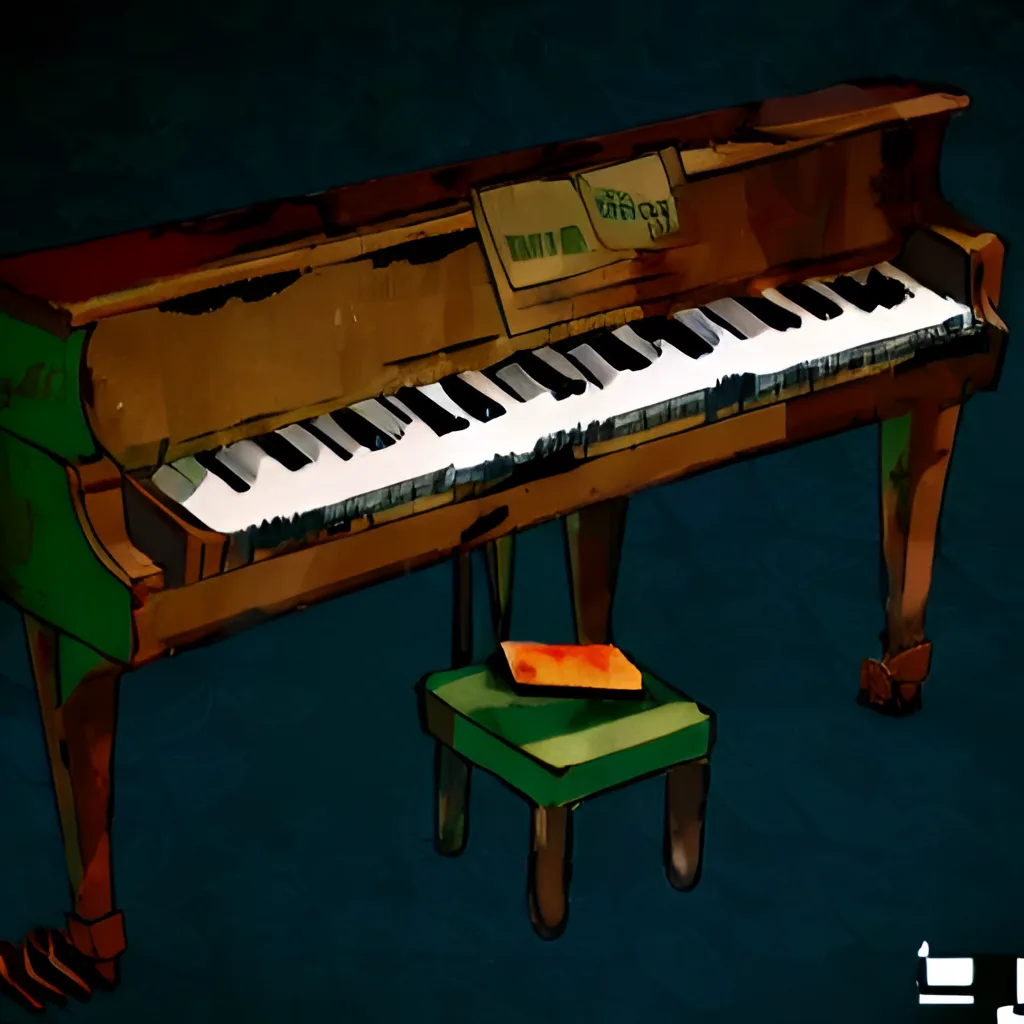
"My child has only just started. Should we buy a piano first?" This is the first hard question many families face. If you buy and the child doesn't stick with it, that's a waste; if you don't, you worry that having no instrument to practise on will hold back progress. The instrument rental trial period is a business model designed for exactly this hesitation: the family first rents an instrument for a lower monthly fee, and after a trial period decides whether to keep renting, switch to buying, or return it. For instrument shops and music schools, this design lowers the bar for parents and draws more new students in; for families, it is a way to watch a child's interest and practice habits at a smaller cost.
Forms the Trial Model Can Take
Pure rental
Pay rent monthly and return the instrument at any time. Suited to families who are not sure how long the child will learn.
Rent credited toward purchase
If you decide to buy within a set period, the rent already paid can be credited in part or in full against the price of the instrument.
Upgrade exchange
Rent an entry-level instrument first, and when the child progresses, swap it for a higher-grade model, with the price difference charged separately.
Seasonal rental
Rent for a short period for concentrated study during school holidays, and return the instrument when the holiday ends.
Why This Design Lowers the Bar
When people face a large one-off expense, they tend to be more cautious. Splitting the decision into two steps, "try for a while" and then "decide whether to buy", reduces the pressure at the start. Parents don't have to make an expensive decision before the child's interest is clear, and the shop gets the chance to earn trust through good service during the trial. By the end of the trial, many families have seen how the child practises, so the decision rests on better evidence.
You've read 28% of this article
Log in for free to read the remaining 72%
- Free to use
- No credit card needed
Plus, try Premium free for 7 days in the TIGA ALPHA app.
Continue with Google Sign up free Already a member? Log in
Details Shops Should Consider When Designing the Scheme
- Inspection and cleaning standards for instruments, confirming good condition before every rental
- Who pays for transport, installation and tuning
- How to tell normal wear from accidental damage
- Credit rules and time limits written in plain language
- A simple returns process with no unreasonable obstacles
Transparent rules reduce disputes and make parents more willing to recommend the shop to friends.
Questions for Families to Ask Before Signing
How much is the rent per month, and what is the shortest rental term? If the child no longer wants to learn, is there a fee for returning early? If something goes wrong with the instrument, is the repair free, and how quickly will it be dealt with? If you decide to buy, how is the rent credited and what is the final price? In addition, acoustic pianos need regular tuning, while with digital pianos you should check that accessories such as the power supply and headphones are complete. Ask these questions clearly and keep a written contract to avoid misunderstandings later.
How Music Schools Can Cooperate
A music school can partner with a reliable instrument shop to offer rental information to new students, but it should let parents choose freely and should not force a tie-in. At trial lessons, the school can also help parents understand the characteristics of different types of instrument, such as the touch of an acoustic piano, or the volume control and headphone function of a digital piano, helping families make a suitable choice for their living space and budget. The partnership, and any possible referral fee, should be honestly disclosed to parents.
The Trial Period Is Also an Observation Period
For a family, the trial period is not only for deciding whether to buy a piano; it is also a good chance to observe the child's learning. You can keep track of how many times a week the child sits down to practise without being asked, whether they enjoy practising, and how they react when they hit difficulties. These observations help parents judge whether the child really likes playing the piano, and make it easier to talk with the teacher about the next steps in learning.
Business Value Seen from Examples
In many cities, instrument rental has become part of instrument retail. It lets shops build longer-term relationships with families: from rental to purchase, then to tuning, repairs and upgrades, every stage is a chance to serve. Compared with a one-off sale, this relationship depends more on reputation and quality of service, and it pushes shops to take after-sales experience more seriously.
For the music education industry, the lesson from this example is that lowering the bar to entry does not have to mean lowering the price. It can also mean splitting one big decision into several small ones, so that users have the option to step out at every stage. The free trial period of an online course and the trial lesson at a music school follow the same logic.
Frequently Asked Questions
Q: Is a rented piano suitable for a child's practice?
A: As long as the instrument is in good condition and properly tuned, a rented instrument supports a child's regular practice just as well.
Q: How long is a trial period usually?
A: Different shops set different terms. A few months is common, and you should confirm the exact period before signing.
Q: Should I rent a digital piano or an acoustic piano?
A: Think about your living space, volume needs and budget. You can try playing them first and ask the teacher for advice.
Q: Can the rent be fully credited toward the purchase price?
A: It depends on the shop's rules. Some credit all of it and some only part, so ask beforehand.
Once You Have the Piano, Start Practising
If you have already rented a digital piano at home and want your child to practise with direction from day one, take a look at TIGA ALPHA.
TIGA ALPHA is an AI piano teaching app built by a team in Thailand. The app is available in 10 languages: Thai, English, Chinese, Arabic, Japanese, Russian, Spanish, French, Hindi and Korean. Its CEO, Teacher Aum, has 20 years of experience teaching piano, and that teaching background shapes every lesson. When you play, the app listens and tells you which notes or beats to practise next, so the feedback is specific rather than generic. Use it as an online piano lessons app for short daily sessions, follow it as a complete online piano course, or combine it with lessons from a teacher. Whether you are starting from scratch, coming back after a long break, learning music alongside your children or simply playing for fun, your next step stays clear. New users get a 7-day free Premium trial, then US$24.99 per month.
- Download and start: TIGA ALPHA
- In-person lessons in Thailand: TIGA Studio
- About the company: tigaalpha.com