Joplin's Solace: A Slower Ragtime Piece from 1909
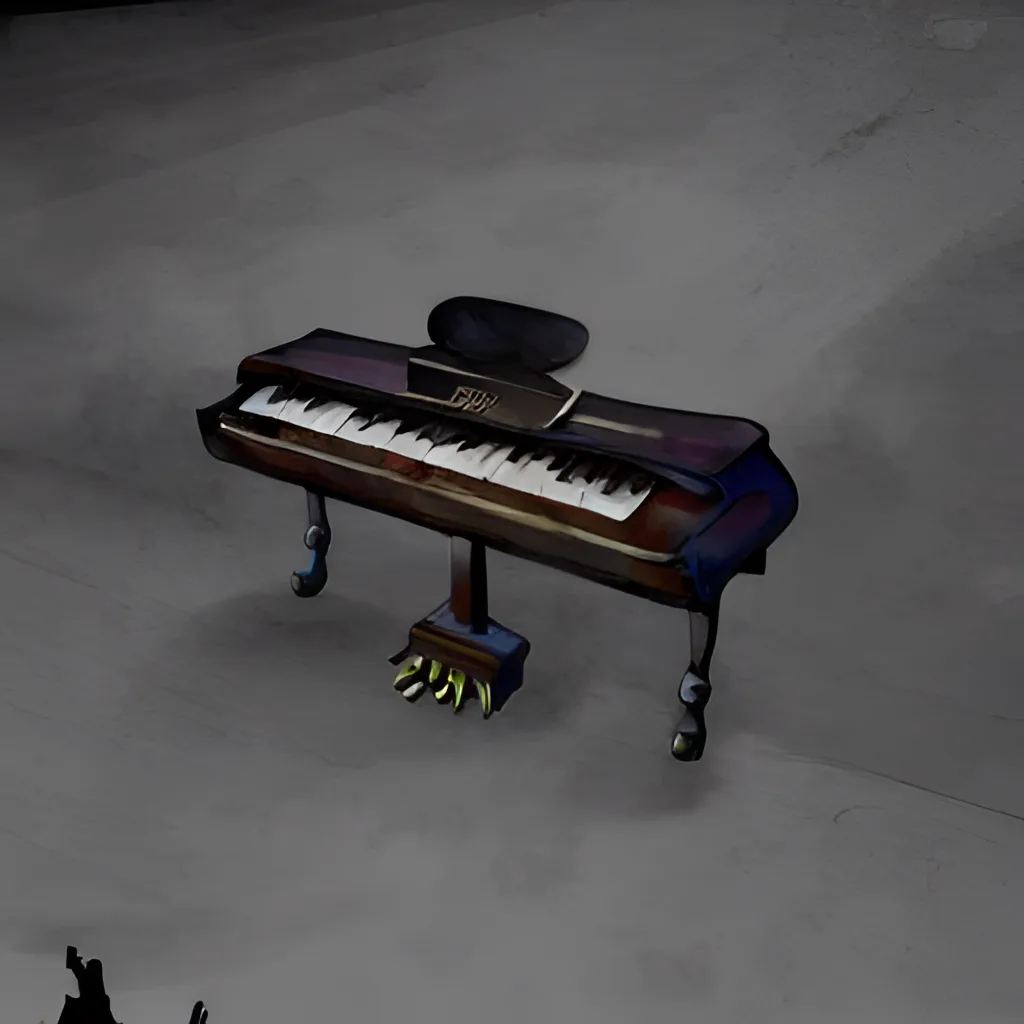
"Solace" is a piano piece published by Scott Joplin in 1909, with the subtitle "A Mexican Serenade". Unlike Joplin's fast, bouncy rags, it is slower, its melody sings more, and you can feel a gently swaying rhythm in the accompaniment. If you have learned faster pieces such as "The Entertainer", you might hear "Solace" as the other side of the same composer: it has the same clear beat and syncopation, but is closer to a piece you could sing slowly. When playing, it is better to settle into the slow tempo first and then feel the syncopation and the rise and fall of the melody, than to hurry to get to the end. After playing it through, you can also play just the left hand to walk through the beat, and check whether the sway has quietly sped up. You can also sing each phrase of the melody once more on its own, to see whether the breaths are clear.
How It Differs from Fast Rags
Joplin wrote many rags at a fairly fast tempo, with very distinct right-hand syncopation.
Keep this in mind
"Solace" belongs to his piano works too, but its character is slower and more lyrical.
Listen once through first, then decide on your touch: here what is needed is smoothness and softness, not just crisp, bouncing notes.
Remember the Structure in Sections
Ragtime and related piano pieces are often made of several fairly complete sections that follow one another, and some sections come back again.
First make a simple mark for each section, noting where there are repeats and where a new melody begins.
Remembering by section is less likely to go astray than memorising the whole piece as one long strip.
Syncopation at a Slow Tempo
Even when the tempo is not fast, the right hand may still have syncopation, letting the melody slip slightly off the main beats of the accompaniment.
First make the left-hand beat steady, then let the right-hand syncopation land in exactly the right place.
You've read 30% of this article
Log in for free to read the remaining 70%
- Free to use
- No credit card needed
Plus, try Premium free for 7 days in the TIGA ALPHA app.
Continue with Google Sign up free Already a member? Log inSlow does not mean loose: every syncopation must still be countable.
Sing the Melody of Solace First
The melody of this piece is fairly long, so it is good to hum it through before playing.
You can open up the high point of a phrase a little and then draw back, avoiding the same volume from start to finish.
Where there is little ornament, you have to rely on the depth of touch to shape the phrasing.
Asking Teacher Aum to Listen to the Syncopation
In a lesson, you can ask Teacher Aum to listen to whether the syncopation at a slow tempo is accurate, and whether your left hand drifts along with the right.
If a phrase does not sing enough, you can also ask your teacher to mark the breaths with you.
Use Joplin's slower side to practise holding on to the beat and the singing at the same time.
The Sway of the Left Hand
The left hand is usually responsible for the steady pulse and harmony, sometimes with a little sway.
It should be quieter than the right hand, but not so vague that it loses the beat.
You can practise the left hand alone with a metronome first, and then put the hands together.
Level and Order of Learning
If you can already play simpler rags steadily, learning this slower piece afterwards will help both your syncopation and your phrasing.
If you are still consolidating an even accompaniment, you can also treat it as a piece for practising "slow and accurate".
Take the tempo from the markings on the score and from being able to sing the melody to the end, and do not chase the surface excitement of faster pieces.
Solace in Summary
Joplin's "Solace" of 1909 carries the subtitle of a Mexican serenade; it is slow and its melody leans towards singing, unlike fast rags, but it still has a clear beat and syncopation.
In practice, steady the left hand first, then sing the right hand, use the pedal lightly and change it in time, and remember the structure by sections.
You can ask Teacher Aum to listen to the syncopation and the phrases.

The Pedal Helps Connection, but Does Not Blur
Since the melody needs to sing, the pedal can help join the notes; but it must still change when the bass changes.
Where there is a lot of syncopation, a pedal that is too deep wipes out the sharp edges of the rhythm.
First play it through with less pedal to find the phrases that really need to be joined, and then add a shallow pedal.
- Published by Scott Joplin in 1909
- English title Solace, with the subtitle "A Mexican Serenade"
- Slower in tempo, with a melody that leans towards singing
- Still has a sense of syncopation within a steady beat
The Subtitle "A Mexican Serenade"
The subtitle likens the piece to a Mexican serenade, hinting at its singing quality and a certain swaying feel in the accompaniment.
It does not ask you to imitate any particular Mexican folk instrument on the piano.
The title is a clue to get in; what you really rely on is still the rhythm, phrasing and dynamics on the score.
FAQ
Q: In what year was "Solace" published?
A: 1909.
Q: What is its subtitle?
A: "A Mexican Serenade".
Q: How does it differ from fast rags such as "The Entertainer"?
A: It is slower and puts more emphasis on singing, but still keeps a clear beat and syncopation.
Q: How do I play syncopation accurately at a slow tempo?
A: First make the left-hand beat steady, then let the right-hand syncopation land in exactly the right place.
Q: Why remember it by sections?
A: Because it is often made of several fairly complete sections, some of which return, and remembering by section is less likely to go astray.
Start practising with TIGA ALPHA
TIGA ALPHA is an AI piano teaching app built by a team in Thailand. The app is available in 10 languages: Thai, English, Chinese, Arabic, Japanese, Russian, Spanish, French, Hindi and Korean. Its CEO, Teacher Aum, has 20 years of experience teaching piano, and that teaching background shapes every lesson. When you play, the app listens and tells you which notes or beats to practise next, so the feedback is specific rather than generic. Use it as an online piano lessons app for short daily sessions, follow it as a complete online piano course, or combine it with lessons from a teacher. Whether you are starting from scratch, coming back after a long break, learning music alongside your children or simply playing for fun, your next step stays clear. New users get a 7-day free Premium trial, then US$24.99 per month.
- Download and start: TIGA ALPHA
- In-person lessons in Thailand: TIGA Studio
- About the company: tigaalpha.com