The Teacher With No Method: Leschetizky and Personal Piano Lessons
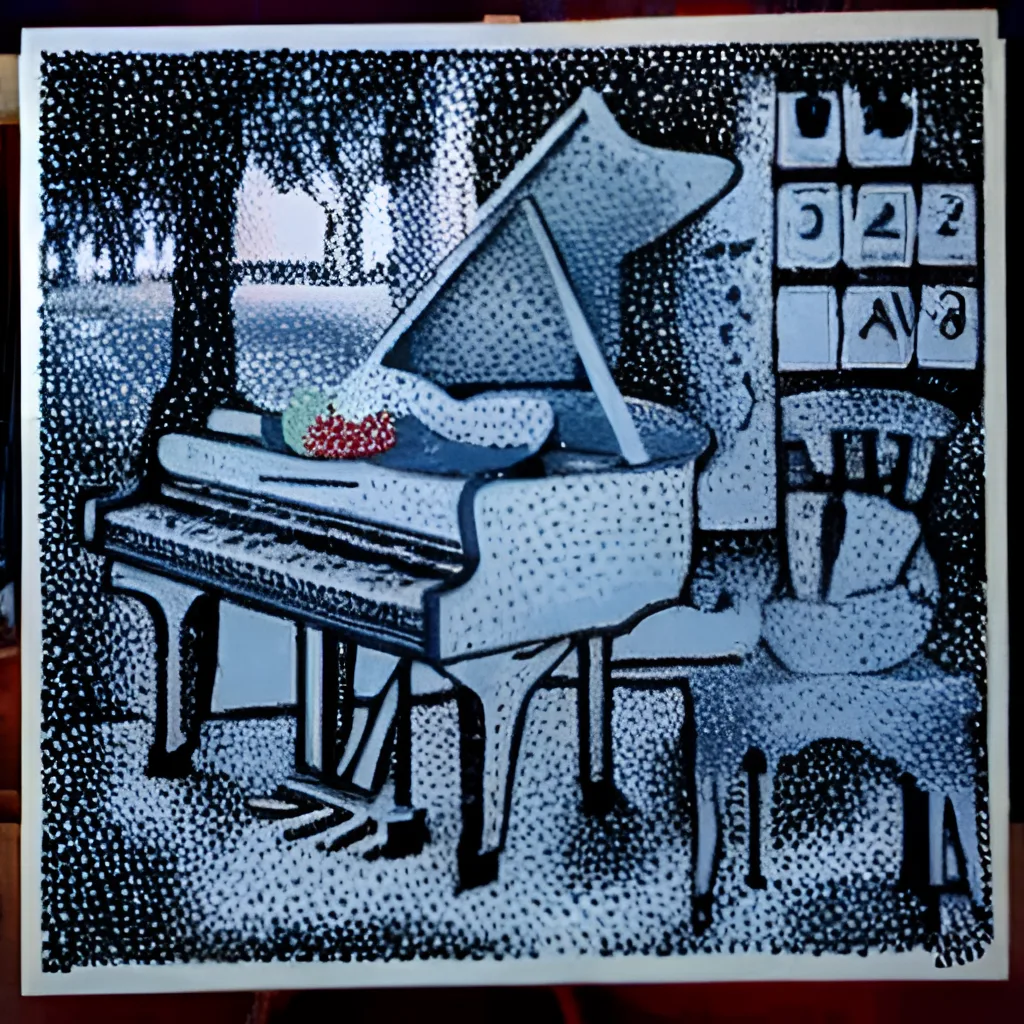
Theodor Leschetizky was one of the most sought-after piano teachers of the late nineteenth century, yet he is often quoted as saying he had no method. What he meant was that every student needed a different path. That idea, teaching the person rather than the system, is exactly what today's adaptive learning technology tries to scale, and it offers practical lessons for anyone who wants to learn piano now.
This article tells the story of Leschetizky's studio in Vienna, looks at what his students and assistants said about his teaching, and turns those observations into habits you can use in your own practice.
Leschetizky in brief
- Theodor Leschetizky (1830–1915) was born in Łańcut, in today's Poland, and studied piano in Vienna with Carl Czerny.
- He taught at the St Petersburg Conservatory before settling in Vienna, where his private studio became famous from the late 1870s.
- His pupils included concert pianists such as Ignacy Jan Paderewski, Artur Schnabel and Ignaz Friedman.
- Students who came out of the same studio often sounded very different from each other.
- His assistants, including Malwine Brée, later wrote books describing the technical basics he used, even though he resisted calling it a fixed system.
A studio built around the individual
Accounts from former students describe lessons that changed depending on who was at the keyboard. A pianist with strong fingers but a stiff sound might spend weeks on relaxation and tone. Another with a beautiful sound but weak rhythm might be pushed toward precision. Leschetizky listened first, diagnosed the main obstacle, and then chose the material.
Students often prepared with one of his assistants before reaching the master himself. These assistants worked on fundamentals such as hand position and finger independence. Only when the basics were secure did the student move on to lessons focused on interpretation and performance. In modern terms, it was a layered system: routine skills handled by a structured programme, personal artistic guidance reserved for the main teacher.
Why "no method" still had principles
Saying there was no method did not mean there were no rules. Descriptions of the studio point to several recurring ideas.
Think before you play
Students were encouraged to study a passage mentally and plan it before touching the keys.
Short, concentrated practice
Rather than long hours of mechanical repetition, the emphasis was on focused work with full attention.
Listen to the result
Technique served sound. If a movement did not improve the music, it was not the right movement for that student.
Adapt to the hand
Hand shapes and fingerings were adjusted to each player's physical build rather than forced into one model.
Bringing the idea into your own practice
You may not have a famous teacher in Vienna, but you can borrow the diagnostic mindset.
- Name your main obstacle. At the start of each week, write one sentence: "The thing holding my playing back most is…". Choose material that targets it.
- Plan away from the keys. Before playing a new passage, read it silently and decide on fingering and phrasing.
- Keep sessions short and sharp. Twenty focused minutes beat an hour of distracted repetition.
- Judge by sound. Record yourself and ask whether a change made the music better, not just whether the notes were correct.
- Respect your hands. If a fingering hurts or feels awkward, look for an alternative that suits your hand.
From one studio to many learners
The obvious limit of Leschetizky's approach was scale. One teacher with assistants could only work with a limited number of students, and most of them had to travel to Vienna.
Adaptive technology aims to bring part of that personal attention to many more people. An online piano teaching application can notice repeated timing slips, suggest targeted exercises and adjust the pace of lessons. Piano teaching with AI resembles the assistants' layer of the old studio: it handles routine diagnosis and practice structure, leaving deeper artistic questions for a human teacher when one is available.
A balanced piano course or piano learning course can combine both layers, so students receive structured daily feedback and still benefit from human musical judgement.
Frequently asked questions
Q: Did Leschetizky really have no method at all?
A: He resisted a single fixed system, but his assistants described consistent technical foundations, and his teaching followed clear principles.
Q: Why did his students sound so different?
A: Because lessons were adapted to each person's strengths and weaknesses, rather than shaping everyone into the same style.
Q: Can I apply his ideas without a teacher?
A: Yes. Diagnosing your main obstacle, planning away from the keys and judging by sound all work in self-study.
Q: Is adaptive learning possible when I learn piano online?
A: Many tools now adjust lessons to your results. An online piano lessons app can track recurring mistakes and suggest the next focus.
Q: Does an AI online piano course replace human teachers?
A: It works more like a structured assistant. Human teachers still add interpretation, inspiration and personal guidance.
Start your own personalised path
TIGA ALPHA is an AI piano teaching app from a Thai team, teaching in Thai, English and Mandarin. Its lesson design comes from Teacher Aum, CEO of the company, who has 20 years of piano teaching experience and leads a high-tech approach to music teaching. To play piano, play music you care about and learn music at your own pace, start a 7-day free Premium trial, then 799 THB/month. Download it from the TIGA ALPHA landing page, see in-person lessons at TIGA Studio, and explore the company at tigaalpha.com. A piano teaching app can be the assistant that prepares you for every next step.