Li Yinghai's "Flutes and Drums at Sunset": An Old Melody Written for Piano
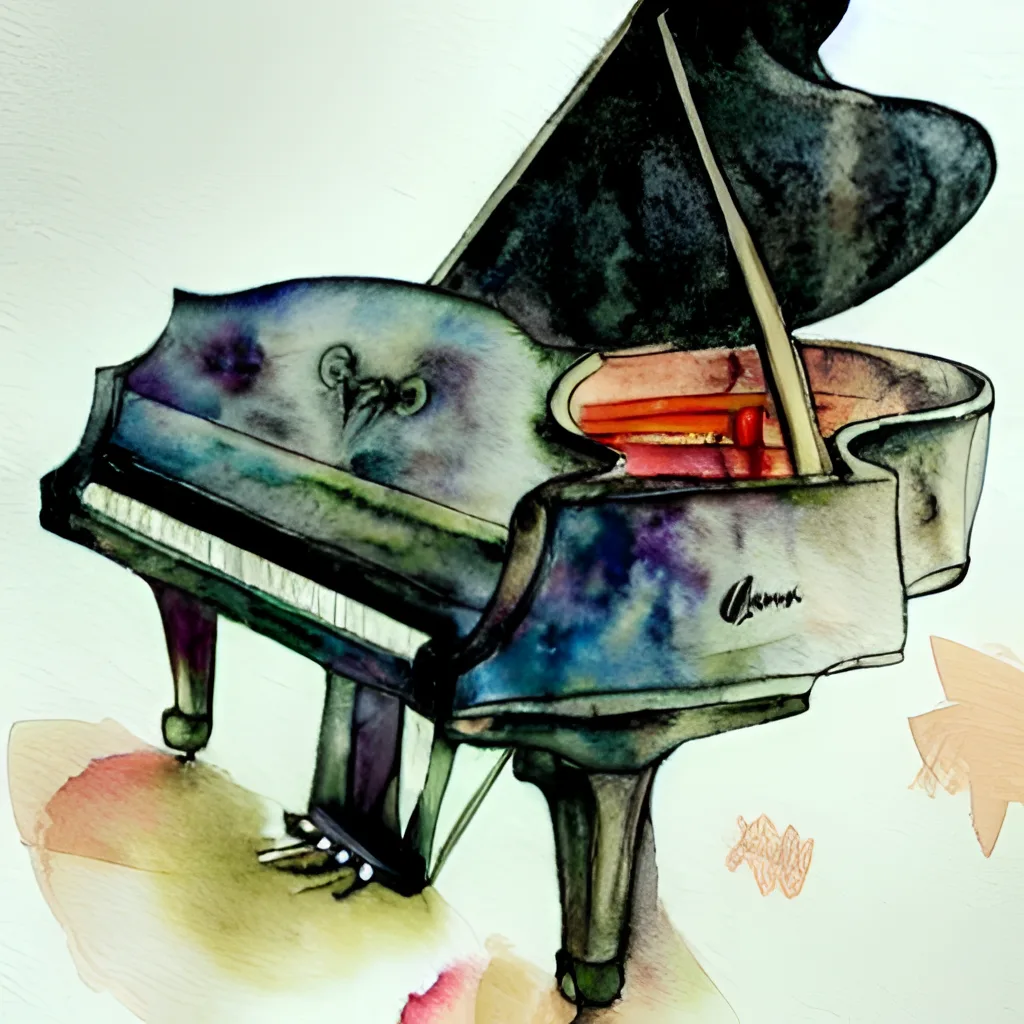
"Flutes and Drums at Sunset" was originally a famous Chinese instrumental piece, often played on instruments such as the pipa, describing the sound of drums and flutes on a river at dusk and the scenery gradually growing quiet. In the second half of the twentieth century, the composer Li Yinghai arranged it as a piano piece, so that these imaginable sounds could unfold on a single piano: sometimes like drumbeats, sometimes like a long breath through a pipe, and sometimes like ripples that the wind makes on water. When you learn it, you do not need to treat it like a Western etude and pursue only even speed. First listen to the original piece or a fairly complete recording of the arrangement, grasp the rise and fall of the sections and the spaces left open, and then begin to play. When listening, you can also notice at first only how it moves from sparser sounds to denser ones and then slowly draws back. If the whole piece is played with the same very full touch, the layers of dusk will be wiped flat. An arrangement is not meant to imitate every instrument of the original exactly, but to let the piano use its own layers to come close to that atmosphere. When practising, you can first listen to the whole piece in three blocks, "sparse, dense, sparse again", and then decide which block to work on today, without tackling the densest passage straight away. If every section is played with the same very full touch, go back to the sparser places and practise specifically leaving the spaces open. The layers of dusk depend on contrast, not on filling everything all the time.
Space is content too
In a dusk scene, not every moment is filled with sound.
Quick tip
Where the score is sparser, do not rush to add many extra notes or press the pedal all the way down to "fill it in".
Leave the spaces open, and the density that follows will seem meaningful.
How to start practising this arrangement
This is a suitable arrangement for people who can already control different kinds of touch and can organise practice by sections.
First get the map of the whole piece clear by listening, then start with the sparser, slower sections, and do not tackle the densest section first.
You've read 30% of this article
Log in for free to read the remaining 70%
- Free to use
- No credit card needed
Plus, try Premium free for 7 days in the TIGA ALPHA app.
Continue with Google Sign up free Already a member? Log inLet the tempo follow the breathing of each section, not one uniform fast or slow speed.
Drumbeats and long phrases
Short, springy notes can come close to a drum, while longer, more connected phrases come closer to the breath of a wind instrument.
Practise the two kinds of touch separately beforehand, and when you put them together there will be contrast.
If the short notes are hammered too dead, the drum becomes a percussion instrument, and if the long phrases are cut into pieces, the breath of the pipe is lost.
What to remember about this piano arrangement
This is a piano arrangement by Li Yinghai based on a famous instrumental piece, and it is often seen in repertoire from the second half of the twentieth century.
When you play, imagine the drums, the wind instrument and the open spaces section by section, and do not let the pedal blur the layers.
When listening, first grasp the shape of going from sparse to dense and then drawing back, and do not require the piano to imitate every timbre of every instrument.
A different angle
- Originally a famous Chinese instrumental piece, often played on instruments such as the pipa
- Li Yinghai wrote the piano arrangement in the second half of the twentieth century
- The sections have drumbeats, long phrases like a wind instrument, and sparser open spaces
- When practising, first grasp the rise and fall and the breathing, and only then pursue density and speed

Ask Teacher Aum in lessons to listen for whether the layers are flattened
In your lesson you can ask Teacher Aum to listen to whether the touch for the drumbeats and for the long phrases is separate, and whether the sparse places have been filled in.
If the sustain drags too long in some section, you can also ask your teacher to work through the sections with you and bring your foot back up.
From this arrangement of a river at dusk, you can practise letting the piano use different kinds of touch to come close to different kinds of breath.
The pedal and the resonance
The piano's resonance can help to come close to water and wind, but a pedal held too long will blur the drumbeats and long phrases together.
Decide how to pedal section by section: in sparse sections you can use a little more to connect, and in dense sections you need to change more often.
First play it once with less pedal and listen to whether the structure is still clear, then add back the resonance you need.
The relationship between the original and the piano arrangement
The original piece has its own performance tradition and arrangement of sections, and the piano arrangement is a rewriting on top of that tradition, not a simple note-by-note translation.
Listening first to a performance that is not on piano will help you judge which places in the arrangement are closer to drumbeats and which are closer to wind instruments.
Even if you only study the piano score, you should know that what you are playing is an arrangement with a history.
How the sections rise and fall
A common shape goes from sparse to dense and then gradually draws back, like a river in the evening that is lively first and quiet afterwards.
When you practise, move forward section by section, giving each section one main sound to imagine, and do not use the same touch from beginning to end.
Aim for clarity in the dense places, and dare to leave spaces in the sparse places.
FAQ
Q: What kind of playing is the original piece often heard in?
A: It is often played on Chinese instruments such as the pipa.
Q: Who made the piano arrangement?
A: Li Yinghai.
Q: Is the aim of the arrangement to imitate every instrument exactly?
A: No. It is to use the piano's own layers to come close to the atmosphere and the rise and fall of the sections of the original.
Q: Why should the sparse sections not be filled in?
A: Space is part of the dusk scene, and if everything is filled in, the density that follows loses its contrast.
Q: How should the pedal be used section by section?
A: In sparse places you can use a little more to help connection, and in dense places you need to change more often so that the drumbeats and long phrases do not blur together.
Practise with TIGA ALPHA
TIGA ALPHA is an AI piano teaching app built by a team in Thailand. The app is available in 10 languages: Thai, English, Chinese, Arabic, Japanese, Russian, Spanish, French, Hindi and Korean. Its CEO, Teacher Aum, has 20 years of experience teaching piano, and that teaching background shapes every lesson. When you play, the app listens and tells you which notes or beats to practise next, so the feedback is specific rather than generic. Use it as an online piano lessons app for short daily sessions, follow it as a complete online piano course, or combine it with lessons from a teacher. Whether you are starting from scratch, coming back after a long break, learning music alongside your children or simply playing for fun, your next step stays clear. New users get a 7-day free Premium trial, then US$24.99 per month.
- Download and start: TIGA ALPHA
- In-person lessons in Thailand: TIGA Studio
- About the company: tigaalpha.com