Music Merch That Fans Keep: Design Lessons for Independent Artists
Music merchandise, or merch, is any product an artist sells beyond the music itself, such as T-shirts, tote bags, posters, stickers, printed scores or enamel pins. For many independent musicians, merch is an important income stream because the artist often keeps a larger share of each sale than from streaming. More importantly, a well-designed item works as a small, portable piece of the artist's identity: when a fan wears or uses it, they share the music with everyone around them. The key is to create products people genuinely want to keep, not just souvenirs that end up in a drawer.
This article covers how to choose items, design them thoughtfully, price them fairly and sell them at concerts and online.
Start with identity, not products
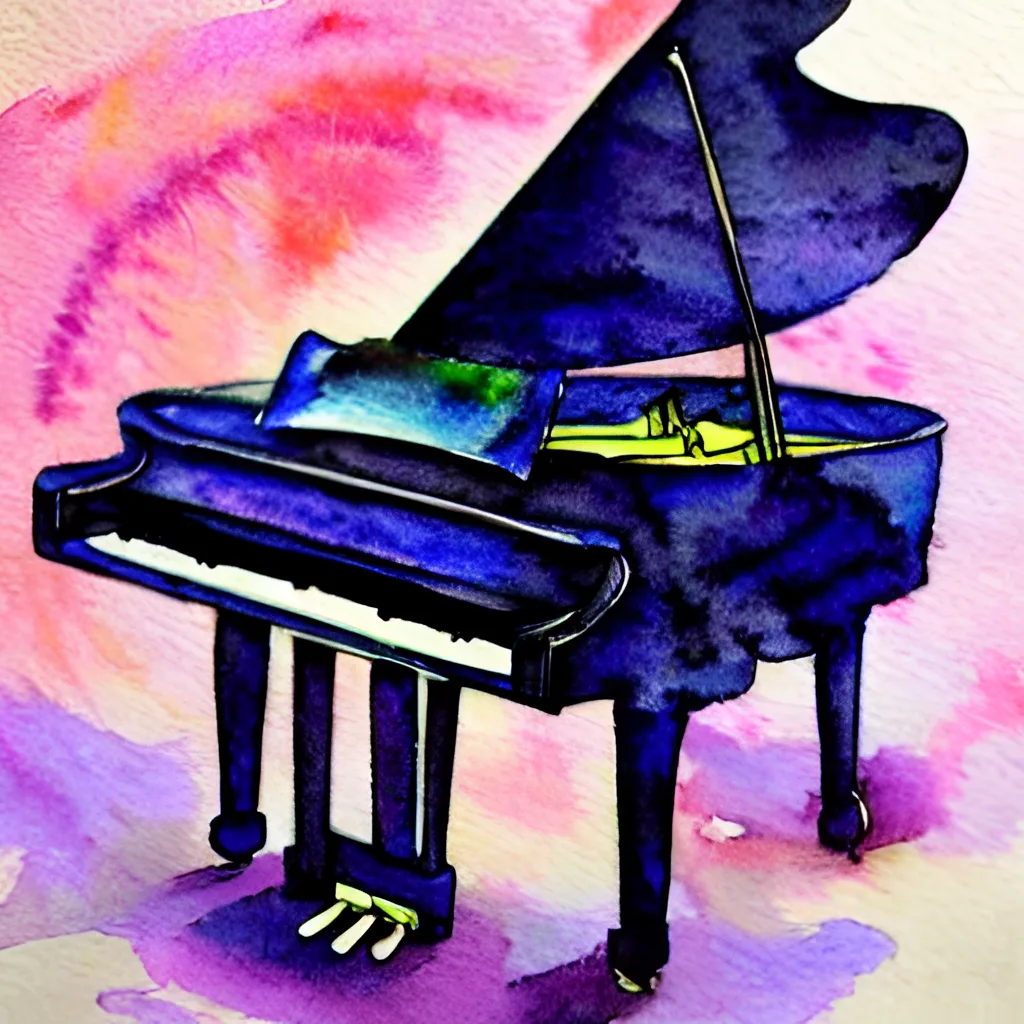
Before choosing a product, define what your music feels like. Is it calm and minimal, playful and colourful, dramatic and dark? Merch that matches the mood of the music feels authentic. A pianist known for gentle film-style arrangements might choose soft watercolour artwork, while an energetic keyboard player might use bold shapes and bright colours.
Find one strong visual idea
A recurring symbol, colour palette or illustration style makes items instantly recognisable across products.
Use words carefully
A short lyric, a song title or a musical phrase drawn as notation can be more personal than a large logo.
Choosing the right items
- Wearables, such as T-shirts and caps, are visible but require stock in many sizes.
- Small items, such as stickers, pins and bookmarks, are cheap to make and easy to post.
- Paper products, such as posters, postcards and printed scores, suit musicians with strong visual art or arrangement skills.
- Useful items, such as tote bags or notebooks, get used every day and keep the design in view.
- Music-linked items, such as download cards or a booklet of sheet music, connect the purchase directly to your songs.
Start small with two or three products, see what sells, and expand gradually.
Design and production tips
- Test designs at real size; detailed artwork may disappear on a small pin.
- Order samples before larger runs to check colour and quality.
- Ask about materials and working conditions; many fans care about sustainable and ethical production.
- Consider print-on-demand for online sales to avoid unsold stock, accepting a smaller margin.
- Keep records of costs per item so you know your real profit.
Pricing fairly
Add production cost, packaging, shipping and platform or venue fees, then set a price that leaves a sensible margin while staying reasonable for your audience. Bundles, such as a shirt with a download card, offer value and simplify choices at a busy merch table.
Selling at shows and online
At concerts
Place the merch table where people pass before and after the show, light it well and display prices clearly. Mention the table once from the stage, briefly and warmly. Accept card and digital payments as well as cash where possible.
Online
Use clear photos, accurate size guides and honest delivery times. Announce new items to your mailing list first, rewarding loyal fans with early access.
Merch for music educators
Teaching studios can create items that celebrate learning rather than advertise aggressively: a practice notebook with the studio's design, a sticker set for completed pieces or a recital programme that doubles as a keepsake. Young learners often enjoy collecting small rewards, which can make practice milestones feel special. Keep designs child-friendly and avoid collecting unnecessary personal details in online orders.
Avoiding common problems
Ordering too much stock is the most frequent mistake, followed by designs that feel generic. Check copyright for any artwork or text you use, and avoid images or slogans that copy other brands. If you work with an illustrator, agree in writing on usage rights and payment before production.
FAQ
Q: Why is merch important for independent musicians?
A: It often provides a better share of each sale than streaming and spreads the artist's identity through fans.
Q: What merch should a new artist start with?
A: Two or three low-risk items, such as stickers, postcards or tote bags, before larger orders.
Q: How do I price merchandise?
A: Add all costs, including fees and shipping, then set a fair price with a sensible margin.
Q: Can piano teachers use merch?
A: Yes. Practice notebooks, stickers and keepsake programmes can celebrate students' progress.
Give fans music worth celebrating with TIGA ALPHA
TIGA ALPHA is an AI piano teaching app built by a Thai team, with lessons in Thai, English and Mandarin. Its CEO, Teacher Aum, has 20 years of experience in piano teaching, and that music teaching background shapes every lesson, while piano teaching with AI gives you feedback each time you play piano. Use it as an online piano lessons app for short daily sessions, follow it as a complete AI online piano course, or combine it with a piano course or piano learning course led by a teacher. Whether you want to learn piano from zero, learn piano online after a long break, learn music alongside your children or simply play music for fun, this online piano teaching application keeps your next step clear. New users get a 7-day free Premium trial, then 799 THB/month. Open the piano teaching app below and pick a first lesson that fits your week.
- Download and start: TIGA ALPHA landing page
- In-person lessons in Thailand: TIGA Studio
- About the company: tigaalpha.com
A lasting souvenir of any concert is still the music; make it something you are proud to play.