Library and Bookshop Partnerships for Local Music Studios
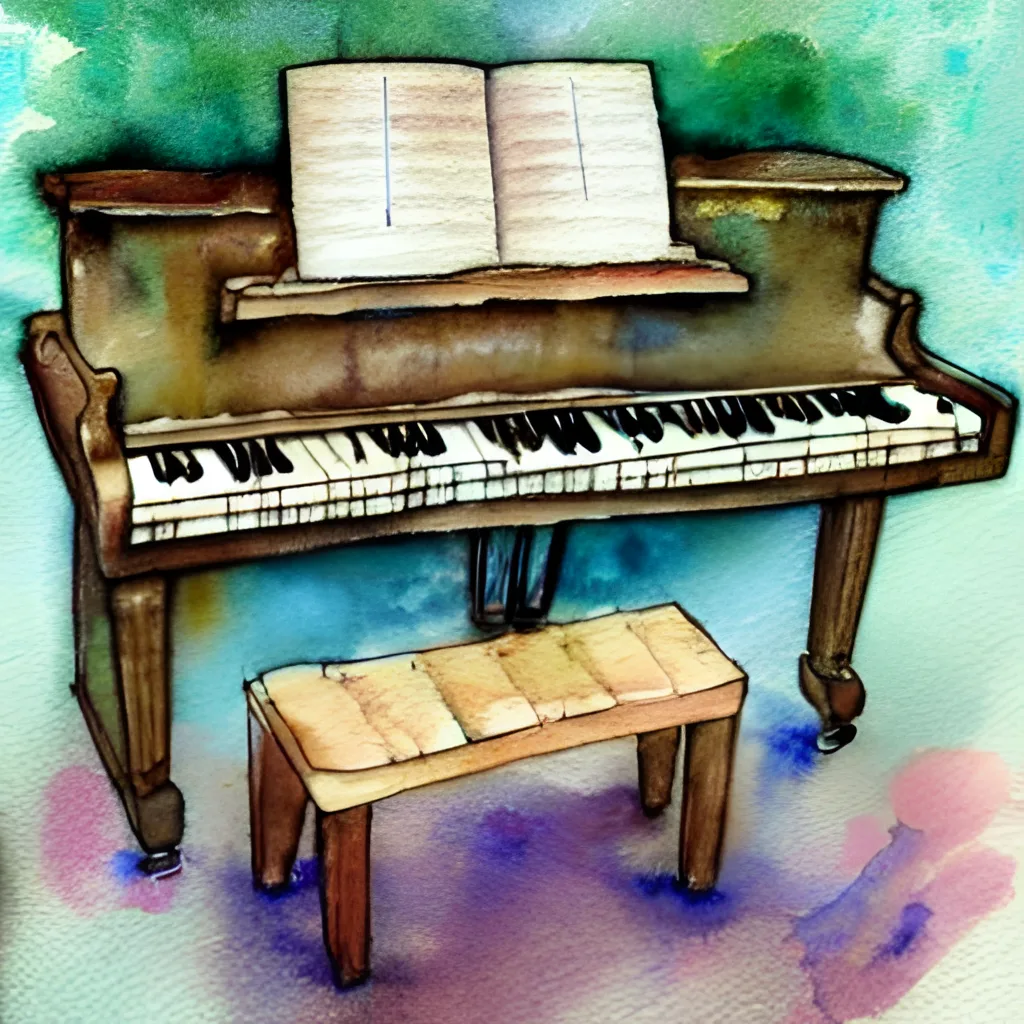
Partnering with a local library or independent bookshop gives a music studio a friendly way to meet families and adult learners in places they already trust. These partnerships usually centre on small, free or low-cost events such as story-and-song sessions, short talks about learning music or reading corners with music books. They work best when both sides share goals, plan carefully and keep the focus on community value rather than selling.
Why these venues fit music studios
Libraries and bookshops attract curious people who enjoy learning. Parents bring children to reading sessions, students come to study and adults browse for new interests. A music activity in these spaces feels natural, because music and reading both involve patterns, stories and imagination.
Shared values
Most libraries aim to promote learning and community. A studio that respects that mission, rather than treating the space as a shop window, will be welcomed back.
Partnership ideas
- A monthly story-and-song session where a picture book is read with simple musical sound effects.
- A short talk on how adults can start learning an instrument.
- A display of music books with a reading list prepared by teachers.
- A small keyboard corner where visitors can try a simple melody with headphones.
- A family rhythm game afternoon during school holidays.
Choose one or two ideas to begin. It is better to run one event well than several badly.
Approaching a potential partner
Contact the person who manages events or community programmes. Introduce your studio briefly, suggest one specific idea and explain what you will provide, such as equipment, a teacher and printed materials. Ask what the venue needs. Some venues have rules about promotion, noise levels or child safety, so listen carefully and adapt.
You've read 33% of this article
Log in for free to read the remaining 67%
- Free to use
- No credit card needed
Plus, try Premium free for 7 days in the TIGA ALPHA app.
Continue with Google Sign up free Already a member? Log inBring a simple plan
A one-page outline with date options, length, age group and space needed shows that you are organised and makes it easy for the partner to say yes.
Promoting events respectfully
Let the venue lead promotion through its own channels, and share the event on yours. Keep your studio's role clear but modest. A small sign or a short line at the end of the session is usually enough. Offer an optional information card for anyone who wants to know more about lessons.
Planning for children
Many events will involve young children. Plan activities that are short and interactive, keep groups manageable and make sure parents or guardians stay present. Do not collect personal data during the event unless the venue agrees and you have a clear, lawful reason and consent.
Measuring value for both sides
After each event, share a short summary with the partner: attendance, what went well and what you could improve. On your side, note how many enquiries mention the venue. Treat these numbers as signals rather than targets, since community partnerships often pay off slowly.
A sample story-and-song session
A forty-five-minute session might open with a simple hello song that children echo back. The teacher then reads a picture book aloud and invites children to add sounds at key moments: soft keyboard notes for falling rain, steady claps for footsteps and a rising scale when a character climbs a hill. Afterwards, small groups take turns playing a two-note pattern on a keyboard with headphones while others draw a picture of the story. The session ends with the hello song sung more quietly as a goodbye. Parents leave with a short card listing the book title and a few ideas for making music at home with everyday objects, such as tapping rhythms on a table or humming a melody during bath time.
Keeping the relationship healthy
Be reliable and consistent from the very first event. Arrive early, keep to time and leave the space tidy. Thank staff personally. Over time, the partner may invite you to larger events or recommend you to other community spaces.
FAQ
Q: Should library events be free?
A: Usually yes, or very low cost, since the goal is community value.
Q: Can we sell lessons at the event?
A: Follow the venue's rules; a short optional information card is often acceptable.
Q: What age group works well?
A: Story-and-song sessions suit young children, while talks suit teens and adults.
Q: How often should we run events?
A: Monthly or once a term is manageable for most small studios.
Get started with TIGA ALPHA
TIGA ALPHA is an AI piano teaching app built by a Thai team, with lessons in 10 languages: Thai, English, Mandarin, Arabic, Japanese, Russian, Spanish, French, Hindi and Korean. Its CEO, Teacher Aum, has 20 years of experience in piano teaching, and that music teaching background shapes every lesson, while piano teaching with AI gives you feedback each time you play piano. Use it as an online piano lessons app for short daily sessions, follow it as a complete AI online piano course, or combine it with a piano course or piano learning course led by a teacher. Whether you want to learn piano from zero, learn piano online after a long break, learn music alongside your children or simply play music for fun, this online piano teaching application keeps your next step clear. New users get a 7-day free Premium trial, then US$24.99/month. Open the piano teaching app below and pick a first lesson that fits your week.
- Download and start: TIGA ALPHA landing page
- In-person lessons in Thailand: TIGA Studio
- About the company: tigaalpha.com
A partnership grows from shared values; start small, be reliable and let the community see your care.