Rain, Wind and Piano: Listening to Nature Sounds
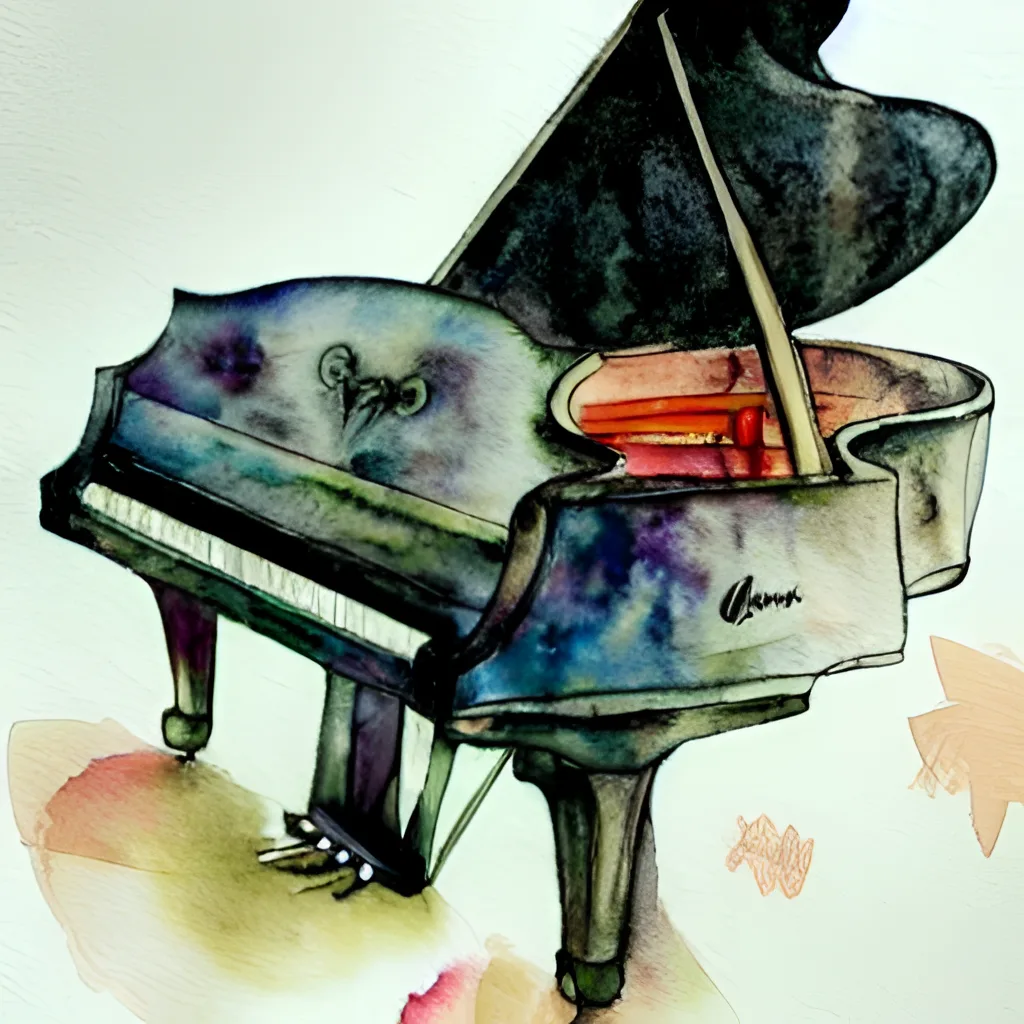
Listening to nature sounds together with the piano means playing or performing quiet piano music at the same time as ambient sounds such as rain, wind, a stream or birdsong, so that the two interweave. Many people listen this way while reading, tidying a room or resting in the early evening, and feel that the combination has more space than music alone and sits closer to everyday life. This is a personal listening preference, and everyone's experience is different. This article only describes the general characteristics of this way of listening and a few simple ideas for pairing, for interested readers to consider, and makes no medical claims of any kind.
What Are the Characteristics of Nature Sounds
The biggest difference between nature sounds and music is that they usually have no clear beat or melody. Rain is a continuous, fine-grained sound, wind rises and falls without a fixed pattern, and birdsong comes in scattered, short fragments. Precisely because they have no clear structure, they easily retreat into the background and do not take attention away.
- Rain: a wide spread of frequencies, sounding like a soft "blanket" of sound.
- Wind: rises and falls, often bringing a feeling of openness.
- Running water: continuous and fine, with little variation.
- Birdsong: bright and short, suited to adding touches between quiet passages.
What Kind of Piano Music Pairs Well
Piano music to pair with nature sounds is generally slow, in a moderate register and with little change in dynamics. Short pieces with simple melodies and gentle harmony blend into ambient sound more easily than fast, dense, virtuosic works. Some people like to choose pieces built mainly on broken chords, because the flowing accompaniment pattern sits comfortably with the fine texture of rain.
Complementary tone colours
Rain and running water contain a lot of high-frequency sound, and the middle and low registers of the piano can complement them. When birdsong appears, the high register of the piano can be left more open, to avoid two bright sounds crowding together.
You've read 31% of this article
Log in for free to read the remaining 69%
- Free to use
- No credit card needed
Plus, try Premium free for 7 days in the TIGA ALPHA app.
Continue with Google Sign up free Already a member? Log in
You Can Try It When Playing Yourself Too
If you have a piano or digital piano at home, you can open the window when it rains, play a simple melody, and listen to how the sound of the piano mixes with the rain. You do not have to play a whole piece. Slowly spreading out a few chords, or playing a few phrases at random on a pentatonic scale, is fine. This kind of practice does not aim for accuracy and is more like a "conversation" with the environment. Some piano learners find that when improvising in this kind of atmosphere, their attention rests more on the sound itself than on right and wrong.
Lighter and slower
When playing along with nature sounds, you can play more lightly to leave space for the rain or wind.
Volume and Surroundings
Whether you are playing a recording or playing yourself, keep the volume within a comfortable range. Nature sound recordings often contain a constant low-frequency component, so when listening on headphones for a long time you can turn the volume down a little and take the headphones off from time to time to give your ears a rest. In public places or when living with family, also take care not to disturb others.
- When using speakers, choose a volume that is not harsh.
- When using headphones, avoid turning the volume up high just to drown out surrounding noise.
- After listening for a while, pause and let your ears return to quiet.
Choosing Recordings
There are many nature sound recordings online, and their quality varies. You can choose versions that are recorded clearly, without obvious noise or sudden loud sounds. Some recordings loop the same short section, and after listening for a long time you may notice the repetition, so a longer recording will feel more natural. You can also use your phone to record the rain outside your window or birdsong in the park as personal listening material, but when recording be careful not to capture other people's conversations, and respect their privacy.
Turning Listening into a Small Habit
If you enjoy this way of listening, you can set it for a fixed time of day, such as when tidying a room in the early evening or on a weekend morning. What matters is that it becomes a relaxed pleasure rather than a task. If you are interested in the piano, you can also use an AI piano learning app like TIGA ALPHA during such a time to learn a gentle-paced little piece, and then play it slowly for yourself against a background of nature sounds.
A friendly reminder
The above is general listening advice and not medical advice. If you have questions about your own physical or mental condition, it is best to consult a doctor, or ask a licensed expert who works in clinical music.
FAQ
Q: Is a recording of nature sounds different from real rain?
A: There are some differences. Sounds in a real environment are richer and more varied, while a recording is convenient to play at any time, so you can choose according to your own situation.
Q: Does it have to be paired with piano music?
A: Not necessarily. Some people listen only to nature sounds, and others like to pair them with other instruments. It depends entirely on personal preference.
Q: Can I listen this way before bed?
A: You can try it according to your own habits, but keep the volume moderate and avoid playing it on headphones all night.
Q: Is this way of listening suitable for children?
A: It can be an experience of getting close to nature sounds, with a parent accompanying and a safe, comfortable volume chosen.
Start Practising with TIGA ALPHA
TIGA ALPHA is an AI piano teaching app built by a team in Thailand. The app is available in 10 languages: Thai, English, Chinese, Arabic, Japanese, Russian, Spanish, French, Hindi and Korean. Its CEO, Teacher Aum, has 20 years of experience teaching piano, and that teaching background shapes every lesson. When you play, the app listens and tells you which notes or beats to practise next, so the feedback is specific rather than generic. Use it as an online piano lessons app for short daily sessions, follow it as a complete online piano course, or combine it with lessons from a teacher. Whether you are starting from scratch, coming back after a long break, learning music alongside your children or simply playing for fun, your next step stays clear. New users get a 7-day free Premium trial, then US$24.99 per month.
- Download and start: TIGA ALPHA
- In-person lessons in Thailand: TIGA Studio
- About the company: tigaalpha.com
Treat the sounds outside your window as part of the music, and listening gains another layer of space.