Hand Position Shifts on Piano: Move Between Positions Smoothly
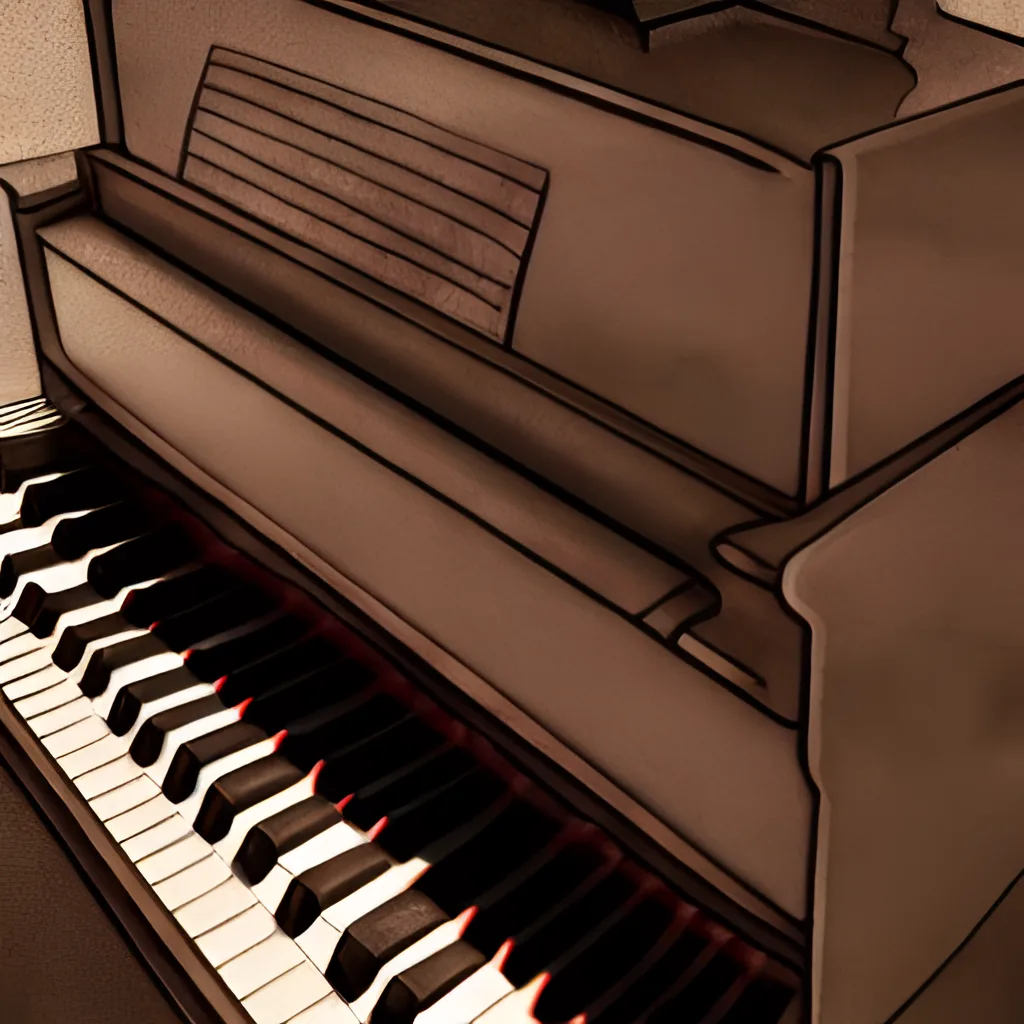
A hand position shift is the moment your hand leaves one five-finger spot on the keyboard and lands in another. Most early pieces stay in one place, so the first shifts often cause a pause, a wrong note or a sudden bump in the music. The fix is to treat each shift as a planned event: decide where the hand goes, look there early, move the whole arm rather than stretching the fingers, and rehearse the move on its own until it feels as ordinary as playing a single note.
Why shifts feel hard at first
When you play inside one position, every finger already sits above a key. Your brain only has to choose which finger to press. A shift adds three new jobs at once: lifting, travelling and landing. If any of these is late, the rhythm stretches. Many learners also wait until the last note before the shift is finished, and only then start thinking about where to go next. By then the next beat has arrived.
There is also a visual problem. Beginners often keep their eyes on the hand that is playing, so the eyes reach the new spot at the same time as the hand. Ideally the eyes arrive first, a little before the fingers need to land.
Three kinds of shift you will meet
The jump. The whole hand lifts and moves to a new spot, for example from a C position to a G position. This is common in left-hand accompaniments and in simple songs that change register.
The crossing. A finger passes over or under another to continue a line. Thumb-under in scales is the classic case, and finger three or four crossing over the thumb is its partner when coming down.
The extension and contraction. The hand opens slightly to reach a note outside the position, then closes again. It is the smallest kind of shift and is useful for melodies that move just one step beyond the five-finger shape.
Knowing which kind you face helps you choose how to practise it. A jump needs arm travel; a crossing needs a loose thumb; an extension needs a relaxed palm that opens and closes without locking.
A practice routine for any shift
Pick one shift from your current piece and work through these stages.
- Find the last note before the move and the first note after it. Mark both on the score with a small bracket.
- Play only those two notes, slowly, many times. Say "here" on the first note and "there" on the second.
- Add the rhythm. Use a metronome at a slow speed and make the second note land exactly on time, even if the first note has to be shortened slightly.
- Add one note before and one note after. Then two before and two after.
- Finally, play the full phrase and check that the shift no longer stands out.
This short ladder usually takes only a few minutes per shift. It is far more effective than playing the whole piece again and again and hoping the awkward spot sorts itself out.

Look ahead, then move
Glance before you go. As you play the note before the shift, move your eyes to the landing spot. A small glance is enough. With practice, the glance becomes shorter and eventually you may only need it for large leaps.
Move from the arm. The hand should travel as a unit carried by the forearm and upper arm. Stretching the fingers sideways to reach a new area creates tension and makes the landing less accurate.
Land shaped. Prepare the hand shape in the air so the fingers arrive already curved over the right keys. Landing with a flat hand and then adjusting adds a delay.
Pivot notes and shared fingers
Some shifts become easier when one finger acts as a hinge. If a melody moves from C up to the next G position, the thumb can play the last note of the old position while the hand rotates toward the new one. Teachers sometimes call these pivot notes. Look at your fingering numbers: when the score shows a thumb or a fifth finger repeating on a new key, that is often a planned pivot.
Shared notes are also helpful. If two chords in the left hand share a note, keep that finger on the key and move the others around it. The anchored finger gives the hand a reference point and makes the change feel smaller.
Shift problems and their remedies
Stopping the beat. If the shift causes a pause, slow the whole passage until the move fits inside the beat. Speed comes later.
Late eyes. If you often land on the wrong key, look sooner. Practise looking at the landing spot while still holding the last note of the old position.
Tight thumb. In crossings, a stiff thumb slows everything down. Let the thumb rest lightly under the palm and practise the crossing on a closed fallboard first.
Too many changes. If a passage contains several shifts close together, isolate each one before joining them. Trying to fix them all at once usually means none of them improves.
How long until shifts feel natural?
Every learner is different, and the time depends on how often you practise and how many shifts your pieces contain. What tends to help is regular, short, focused work. Two minutes on one shift at the start of each session is often more useful than a long session once a week. Keep a list of the shifts you are working on and tick them off when they no longer cause a pause.
FAQ
Q: Should I look at my hands during a shift?
A: A brief glance at the landing spot is normal, especially for big jumps. Aim to look early and briefly rather than staring at the keys the whole time.
Q: Why does my hand land one key off?
A: Usually the eyes arrive late or the fingers stretch instead of the arm moving. Slow down, look earlier and let the arm carry the hand.
Q: Is it better to change fingering to avoid a shift?
A: Sometimes. A different fingering can remove an awkward move, but some shifts are unavoidable. Choose one fingering and keep it consistent.
Q: Can I practise shifts away from the piano?
A: You can rehearse the movement on a table to feel the distance, but the landing accuracy develops best on real keys.
Start practising position shifts with TIGA ALPHA
TIGA ALPHA is an AI piano teaching app built by a Thai team, with lessons in Thai, English and Mandarin. Its CEO, Teacher Aum, has 20 years of experience in piano teaching, and that music teaching background shapes every lesson, while piano teaching with AI gives you feedback each time you play piano. Use it as an online piano lessons app for short daily sessions, follow it as a complete AI online piano course, or combine it with a piano course or piano learning course led by a teacher. Whether you want to learn piano from zero, learn piano online after a long break, learn music alongside your children or simply play music for fun, this online piano teaching application keeps your next step clear. New users get a 7-day free Premium trial, then 799 THB/month. Open the piano teaching app below and pick a first lesson that fits your week.
- Download and start: TIGA ALPHA landing page
- In-person lessons in Thailand: TIGA Studio
- About the company: tigaalpha.com
A shift is just a short journey, and planned journeys are rarely late.