Bring Out the Melody: Voicing and Balance on Piano

To bring out a melody on piano, play the melody notes with more arm weight and the accompanying notes with less, even when both are in the same hand. This skill is called voicing. It starts with knowing which note is the tune, practising that line alone, and then adding the other notes quietly underneath until the balance feels natural.
Many players can hit every correct note and still sound flat, because all notes come out at the same volume. Listeners then hear a block of sound instead of a song. Voicing turns that block into layers: a singing top line, a supportive middle and a grounded bass.
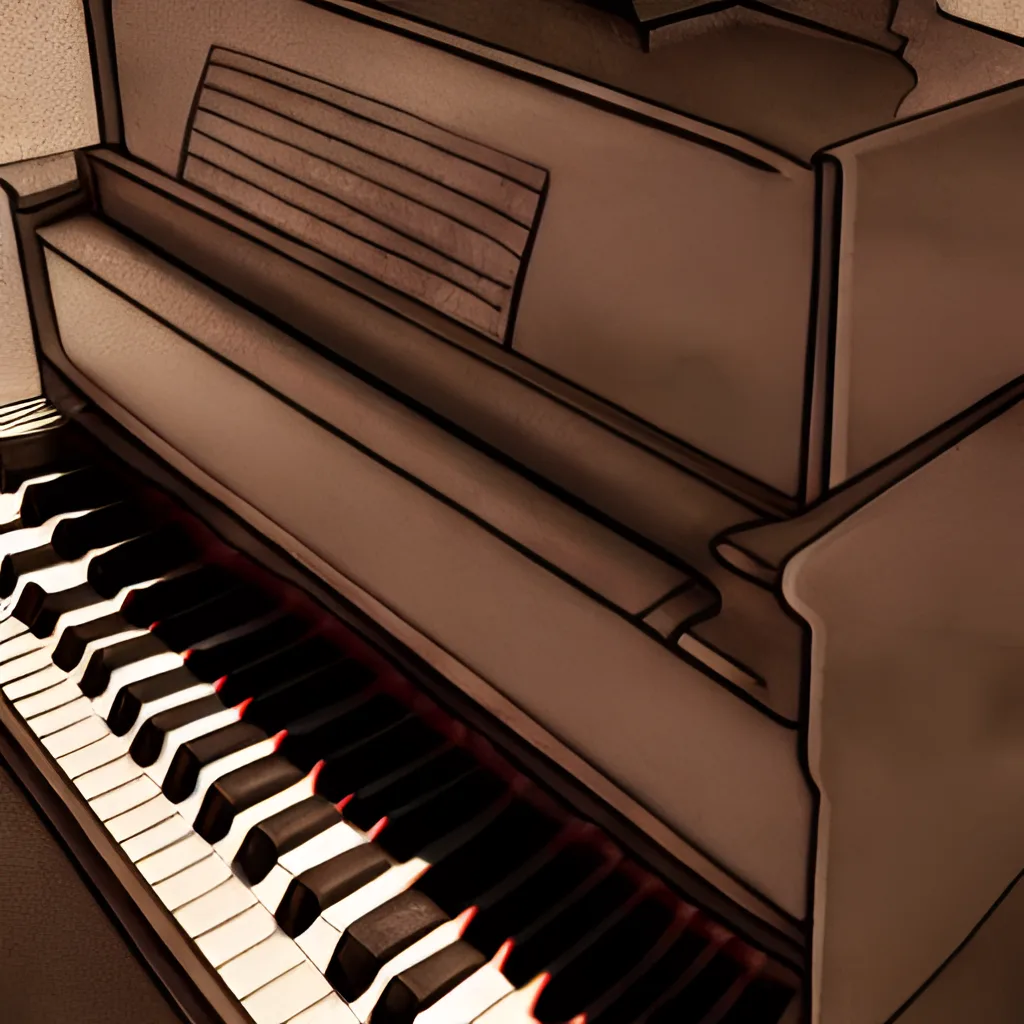
The three layers of piano texture
- Melody: usually the highest notes in the right hand, sometimes in the middle or in the bass. It should be the clearest layer.
- Bass: the lowest notes, which give harmonic foundation. It needs presence but should not compete with the tune.
- Inner voices: chord tones in the middle. They add color and are usually the softest layer.
Before practising, take a pencil and circle the melody notes in the score. In a hymn-style texture or a pop ballad arrangement, the top note of each right-hand chord is often the tune. In other pieces, the melody moves between hands, and you need to follow it carefully.
Exercises for an uneven touch
Weighted fifth finger
Play a simple C major chord in the right hand with fingers 1, 3 and 5. Lean slightly toward the fifth finger, letting the arm's weight flow into it, while fingers 1 and 3 barely press. The top note should ring above the others. Repeat with other chords.
Ghost the inner notes
Play a chord, then replay it with the inner notes so soft that they almost do not sound. Gradually bring them up to a quiet but audible level. This trains control at the low end of the volume range, which is where voicing really happens.
Melody alone, then add the rest
Play only the melody line, singing it through your fingers with a full tone. Then add the bass. Last, add the inner voices as quietly as possible. If the melody disappears, take the inner voices out again and rebuild.
Hands at different volumes
Play the melody in the right hand at mezzo-forte while the left hand plays the same chords at piano. Then swap the dynamic levels. Being able to separate the hands' volume is the foundation of all voicing.
Why weight works better than force
Trying to "hit" the melody note harder usually produces a harsh sound and tension in the forearm. A more reliable approach is to let the arm rest loosely and direct its weight toward one finger. The finger acts like a support column, and the tone stays round. Keep the wrist flexible and avoid locking the elbow. If your hand tires quickly, you are probably using finger force instead of relaxed weight.
Hearing what the audience hears
Your ears at the bench are not a perfect judge. The melody might feel clear to you because you know it so well, while a listener hears only chords. Two simple checks help:
- Record a short passage on your phone and listen from across the room.
- Ask someone who does not know the piece whether they can hum the tune after hearing it once.
If the answer is no, the inner voices are probably too loud. Return to the ghosting exercise and try again.
Applying voicing to real music
Slow ballads, chorales and lyrical classical pieces are ideal for practice because the textures are clear. Pop songs arranged for piano are also useful: the vocal line becomes the top voice, and the chords sit underneath. As your control grows, try pieces where the melody moves to the left hand, or where two melodies run at once, as in Bach's two-part inventions.
Where an AI learning tool fits
An online piano teaching application can help by slowing passages, looping bars and showing which notes you play, so you can concentrate on the sound. TIGA ALPHA, an AI piano teaching app built by Thai developers, offers this kind of support with lessons available in Thai, English and Mandarin. The company is guided by CEO Teacher Aum, a pianist and educator with 20 years of piano teaching behind the course design, and it presents itself as a modern technology business in education. Piano teaching with AI makes daily drills simple to organize, while tone and balance also benefit from live music teaching in a studio piano course or a complete piano learning course.
Frequently asked questions
Q: Is voicing only for advanced players?
A: No. Even simple pieces sound better when the melody stands out. Beginners can start with the weighted fifth finger exercise.
Q: Should the bass be as loud as the melody?
A: Usually not. The bass should be clear and steady, but slightly softer than the tune. The inner voices are normally the quietest.
Q: Does voicing work on a digital piano?
A: Yes, as long as the keyboard has touch-sensitive keys. Weighted keys make the differences easier to feel.
Q: Can I improve my voicing if I learn piano online?
A: Yes. Recording yourself with an online piano lessons app or during an AI online piano course is an effective way to check balance between the hands.
Q: How long does it take to hear a difference?
A: It varies from person to person. Regular short sessions focused on one passage tend to show progress faster than occasional long ones.
Get started with voicing
Circle the melody in one piece and practise the ghosting exercise for five minutes a day. To learn piano and learn music with a clear daily plan, try TIGA ALPHA with a 7-day free Premium trial, then 799 THB/month. Get the app on the TIGA ALPHA landing page, book studio lessons through TIGA Studio, and read about the company at tigaalpha.com. A piano teaching app helps you play piano and play music so the melody always sings.