Polonaise Rhythm for Pianists: A Stately Three-Beat Feel
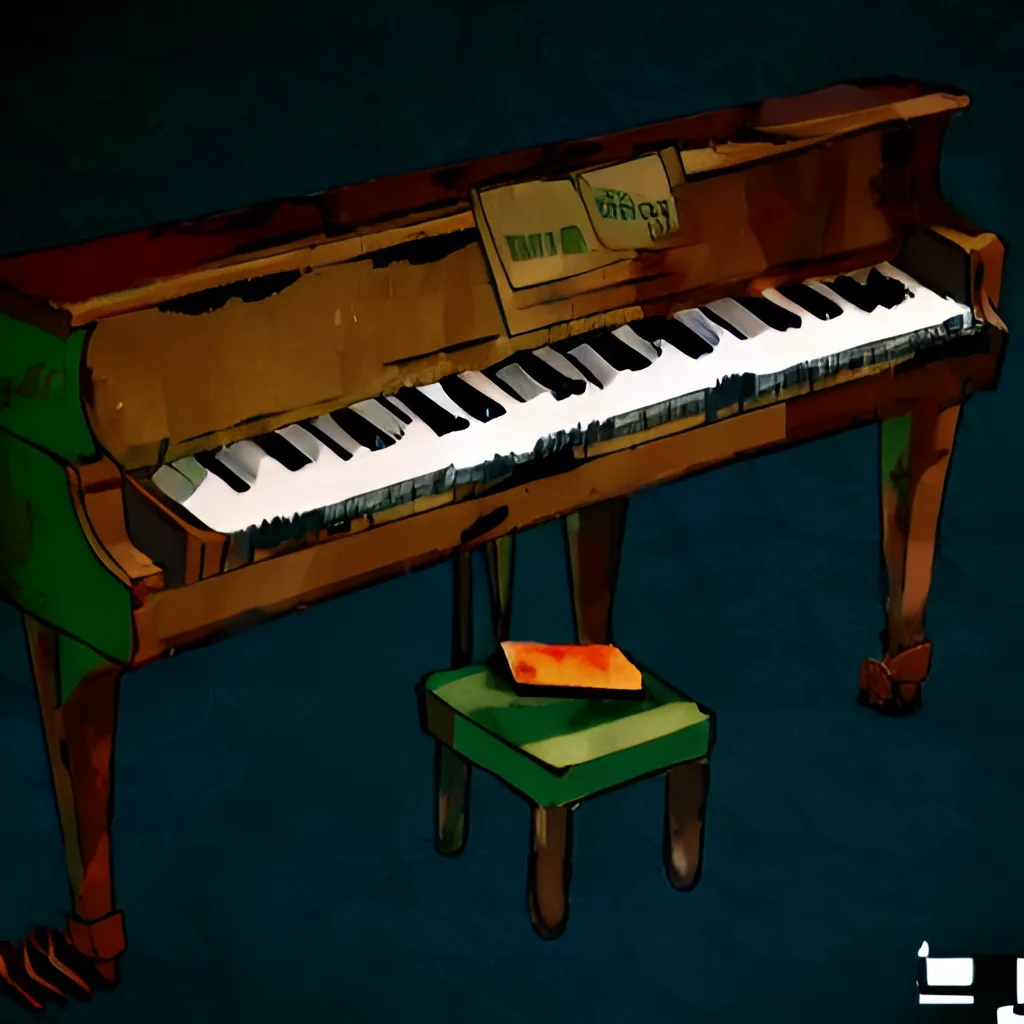
The polonaise is a dance in three beats with a distinctive rhythmic figure that often energises the first beat. On piano it appears in teaching pieces and in larger concert works. You do not need advanced technique to learn the basic pulse. You need a clear count, a firm yet unforced first beat, and a left-hand pattern that supports the dance without turning it into a waltz lilt.
The characteristic rhythmic idea
A common polonaise rhythm places a sixteenth-note pair or a similar short–short idea inside the first beat, followed by clearer longer notes. Exact notation varies by arrangement, but the ear hears a decorated, proud first beat rather than a soft waltz sway.
Count “one-ee-and, two, three” or another subdivision that matches your score. Speak the count while tapping before you play. The speech pattern prevents the first beat from collapsing into a single heavy thump.
- Tap the rhythm on your knees for one minute.
- Play it on one repeated pitch.
- Then place it into a simple five-finger melody.
Left-hand support
Many student polonaises use a bass note on beat one and chords or lighter bass moves on beats two and three. Keep beat one clear, but do not crush it. Beats two and three should stay alive; if they go limp, the dance loses dignity and starts to limp.
Compare the same left hand played as a waltz (lighter beat one, floating feel) versus a polonaise (more ceremonial first beat). The contrast teaches style faster than adjectives alone.
Practice plan
- Day 1–2: rhythm speaking and single-note taps with a slow metronome.
- Day 3: right-hand rhythm on a five-finger pattern in G major.
- Day 4: left-hand bass and chord skeleton alone.
- Day 5: hands together at a walking tempo.
- Day 6–7: add dynamics that grow slightly through a short phrase, then cadence calmly.
Keep the tempo moderate. Speed without rhythmic clarity erases the dance identity.
Listening focus
When you hear a polonaise-style piano piece, ask where the first beat is decorated and how long the phrases breathe between cadences. Notice that even in soft dynamics the pulse stays upright. Transfer that listening into your touch: firm fingers on the rhythmic figure, flexible wrist between gestures.
FAQ
Q: Is a polonaise just a waltz with a different name?
A: No. Both use three beats, but the accent design and rhythmic figures differ. Waltz often sways; polonaise often strides.
Q: Which hand learns the rhythm first?
A: Usually the hand that carries the decorated figure in your piece — often the right. Still practise the pulse in both.
Q: Can children learn a polonaise rhythm?
A: Yes, with short tapping games and slow tempos.
Q: How do I stop beat one from sounding harsh?
A: Prepare the hand early, use arm weight instead of finger stabbing, and keep the follow-through soft.
Polonaise character words and touch
Choose two adjectives before you play, such as “proud” and “calm”. Reject adjectives that push you toward hardness. Play a phrase, then ask whether a listener would guess those words. Adjust touch, not only speed. Character words keep rhythm practice connected to music rather than to maths alone.
In ensembles, agree on the adjectives so everyone aims at the same dance attitude. Shared language reduces conflicting accents.
Character word pair of the day
Choose two character words before each polonaise run-through and write them at the top of the page. After playing, rate from one to three how well the take matched the words. Low ratings mean adjust touch, not only metronome numbers. Word pairs keep dance rhythm tied to attitude.
Left-hand alone days for dance pulse
Twice a week, practise the polonaise left hand alone for five minutes while counting aloud. Removing the melody exposes whether the ceremonial first beat is truly clear. Add the right hand only after those five minutes. Players who always practise hands together often hide a vague left hand under a busy tune.
Short orchestration imagination
Imagine a soft drum on beat one and lighter steps on beats two and three while you play a basic polonaise left hand. The imagination often improves accent honesty without extra force. If the imaginary drum makes you pound, replace it with an imaginary deep string short note instead. Mental orchestration is a touch tool, not a volume contest.
Learn dance rhythms with TIGA ALPHA
TIGA ALPHA is an AI piano teaching app built by a Thai team, with lessons in Thai, English and Mandarin. Its CEO, Teacher Aum, has 20 years of experience in piano teaching, and that music teaching background shapes every lesson, while piano teaching with AI gives you feedback each time you play piano. Use it as an online piano lessons app for short daily sessions, follow it as a complete AI online piano course, or combine it with a piano course or piano learning course led by a teacher. Whether you want to learn piano from zero, learn piano online after a long break, learn music alongside your children or simply play music for fun, this online piano teaching application keeps your next step clear. New users get a 7-day free Premium trial, then 799 THB/month. Open the piano teaching app below and pick a first lesson that fits your week.
- Download and start: TIGA ALPHA landing page
- In-person lessons in Thailand: TIGA Studio
- About the company: tigaalpha.com
A clear first-beat figure turns three counts into a polonaise instead of a waltz.