Portamento and Glissando on Keyboard Instruments
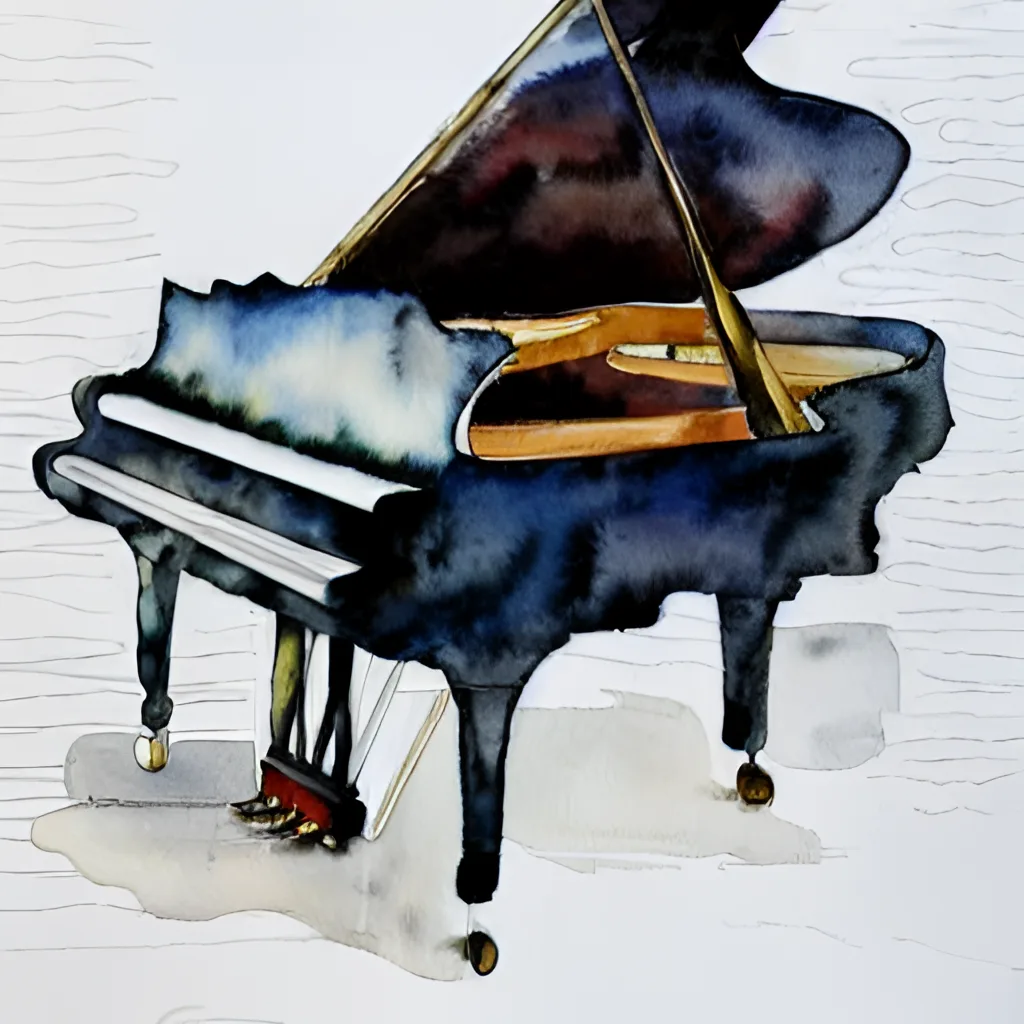
Portamento is a continuous slide between two pitches; glissando is a rapid sweep across many adjacent notes. Voices and bowed strings do both easily. Keyboard instruments historically offered steps rather than slides, so players invented techniques, mechanisms and later electronic controls to suggest or recreate continuous motion. Understanding that history helps anyone who wants to play piano expressively on acoustic or digital instruments.
From voice to keyboard imitation
Singers slide naturally. Early keyboard music often imitated that effect with fast scale runs, overlapping fingers or written-out chromatic sweeps. Organists used manual changes and subtle legato to hint at a slide. Harpsichord and clavichord players shaped touch and timing instead of true continuous pitch, because fixed frets and plucking mechanisms lock each key to one pitch.
Glissando as spectacle and colour
A white-key or black-key glissando became a showpiece in Romantic and early twentieth-century piano writing. The sound is a rush of neighbour tones, not a single sliding frequency. Used sparingly, it paints excitement; overused, it can feel like empty flash.
Mechanisms that truly slide
Some keyboard designs tried to solve the problem physically. Continuous-pitch controllers, ribbon strips and later pitch wheels let a player move frequency smoothly while holding a note. Expressive digital pianos and synthesizers can map aftertouch, ribbons or joysticks to pitch bend so a phrase can lean the way a violinist would.
Useful distinctions:
- Glissando on acoustic piano: rapid adjacent keys, discrete pitches.
- Portamento on a synth: continuous frequency change between two notes.
- Pitch bend: temporary offset from the held pitch, often returning to centre.
- Finger legato: connects notes without a true slide, still valuable for line.
You've read 31% of this article
Log in for free to read the remaining 69%
- Free to use
- No credit card needed
Plus, try Premium free for 7 days in the TIGA ALPHA app.
Continue with Google Sign up free Already a member? Log inPractising clean glissandi
Protect your hand. Use the nail side of the fingers or a controlled flat finger depending on direction and key colour, keep the wrist soft, and never force speed before the path is smooth. Practise short spans first. Mark where the glissando lands so the arrival note is secure. When the score asks for a black-key sweep, shift the hand angle so you do not catch neighbouring white keys by accident.
Portamento in digital practice
Small bend ranges teach control
On a digital instrument, set a modest bend range so a small gesture equals a musical slide rather than a wild leap. Practise moving to a target pitch and returning without overshoot. Pair the slide with dynamics: many expressive lines grow or fade as the pitch moves. If you learn piano online with layered sounds, try a soft pad under a piano voice so the portamento reads clearly in a recording.

Listening skills for slides
Train your ear to hear whether a slide is continuous or stepped. Compare a vocal recording with a piano glissando and a synth portamento. That listening habit transfers whenever you play music that quotes vocal gestures. Music teaching that includes short imitation games — sing a slide, then match it on your controller — builds the same awareness that careful piano teaching builds for dynamics and articulation.
Teaching slides without jargon overload
In a short music teaching segment, demonstrate three sounds in a row:
- A legato finger connection without pitch slide.
- An acoustic glissando across neighbour keys.
- A synth portamento with continuous frequency change.
Then compare them carefully. First demonstrate Ask students to describe each in plain words before introducing technical names. The contrast sticks better than a definition list. Adult students who learn piano online can repeat the same three-way test at home with a phone recording.
Keep slides out of graded exam pieces unless the score asks for them. Treat them as colour studies beside scales and repertoire. A piano course that schedules one "continuous pitch" day per month gives curious students a playground without derailing core reading goals.
FAQ
Q: Is a piano glissando the same as vocal portamento?
A: No. Piano glissandi are stepped neighbour tones; vocal portamento is usually continuous.
Q: Can every digital piano do portamento?
A: Only if the sound engine and controller support pitch bend or a dedicated portamento mode.
Q: How do I keep a glissando from sounding harsh?
A: Control speed and pressure, choose key colour carefully, and land the final note cleanly.
Q: Should beginners learn glissandi early?
A: After basic hand comfort and simple scales feel stable; treat them as colour, not a core skill.
Q: Does pedalling help a glissando?
A: A light pedal can blend the rush, but too much pedal turns it into a blur. Test both ways.
Slide into cleaner practice with TIGA ALPHA
TIGA ALPHA is an AI piano teaching app built by a Thai team, with lessons in 10 languages: Thai, English, Mandarin, Arabic, Japanese, Russian, Spanish, French, Hindi and Korean. Its CEO, Teacher Aum, has 20 years of experience in piano teaching, and that music teaching background shapes every lesson, while piano teaching with AI gives you feedback each time you play piano. Use it as an online piano lessons app for short daily sessions, follow it as a complete AI online piano course, or combine it with a piano course or piano learning course led by a teacher. Whether you want to learn piano from zero, learn piano online after a long break, learn music alongside your children or simply play music for fun, this online piano teaching application keeps your next step clear. New users get a 7-day free Premium trial, then US$24.99/month. Open the piano teaching app below and pick a first lesson that fits your week.
- Download and start: TIGA ALPHA landing page
- In-person lessons in Thailand: TIGA Studio
- About the company: tigaalpha.com
Sliding pitch is another colour in the keyboard palette: use it with intention, and every phrase you shape gains a smoother edge.