Piano Preludes: Short Pieces That Open the Door
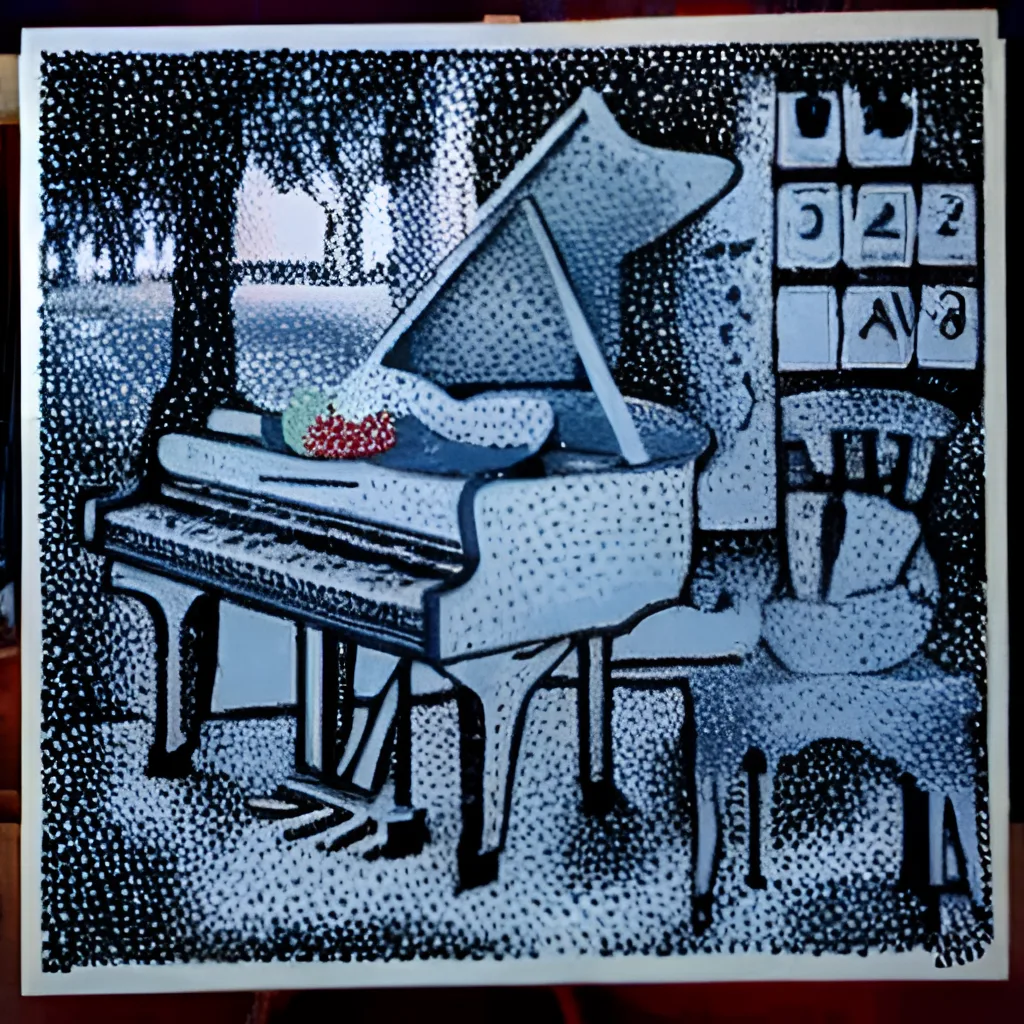
A prelude is a short piece of music that comes before something else, or that stands on its own as a small character piece. The name means "played before", and for pianists it covers many moods, from quiet and dreamy to bright and busy.
Where the word comes from
The history is simple and friendly, and it explains the name.
In older music, a prelude often introduced a longer work. A player used it to settle the hands, show the key and give listeners a moment to arrive. Over time, composers realised that these openings could be satisfying by themselves, and collections of free-standing preludes appeared.
Today you will meet two kinds. Some preludes still sit at the front of a larger set of pieces, and others are complete little works that you can play on an ordinary evening.
What preludes usually sound like
There is no single recipe, but a few habits appear again and again:
- One main idea: a repeating pattern or a single mood carries the whole piece.
- Short length: many are only one or two pages.
- Free feeling: the tempo can breathe more than in a dance or a march.
- A clear key: the piece often makes its home key easy to hear.
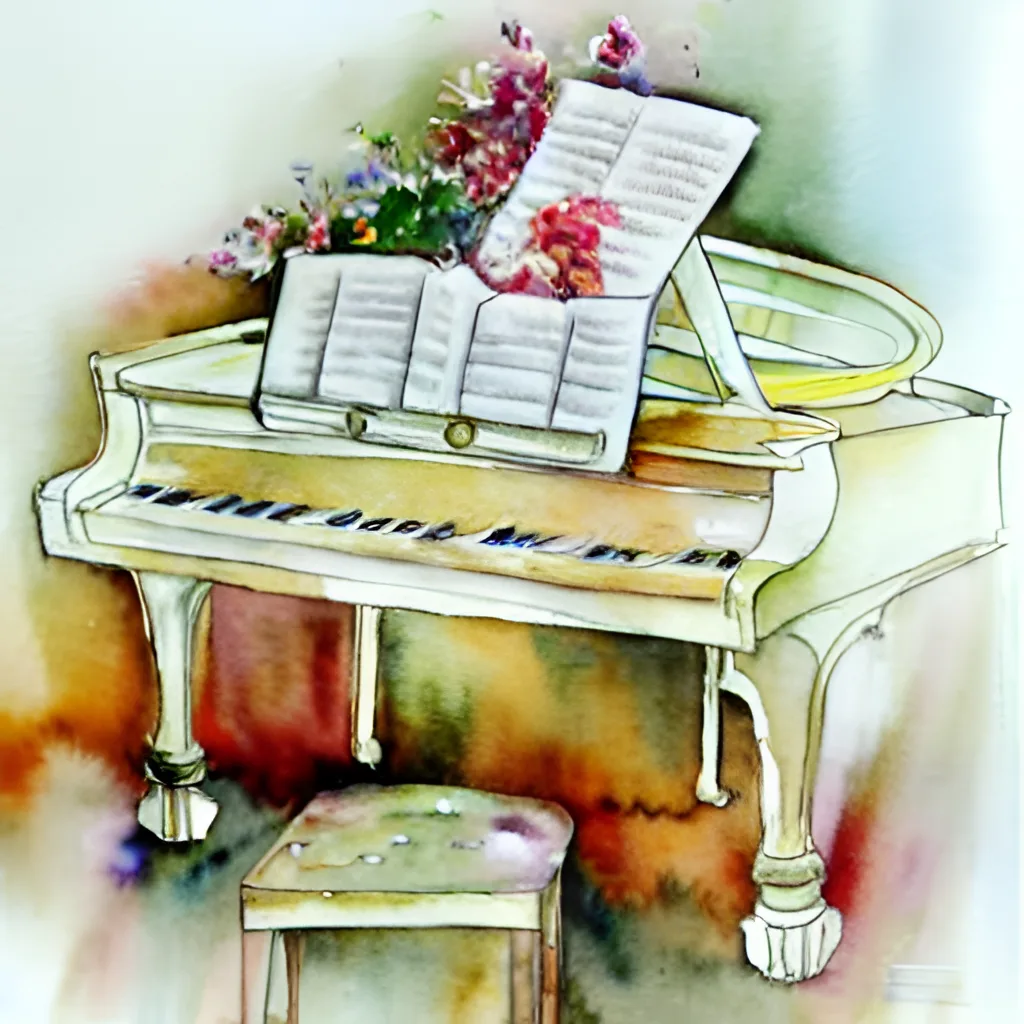
Because the idea is simple, a prelude is a friendly way to practise shaping sound. You do not need to juggle many themes, so you can focus on touch and pedal.
Listening with a map
Three questions
Before you play, listen once with your eyes closed. Ask three questions. What pattern keeps returning? Where does the sound grow louder or softer? How does the last bar feel compared with the first?
You've read 30% of this article
Log in for free to read the remaining 70%
- Free to use
- No credit card needed
Plus, try Premium free for 7 days in the TIGA ALPHA app.
Continue with Google Sign up free Already a member? Log inThen follow the score while you listen again. Seeing the pattern on the page helps you connect what you hear with what your hands will do.
Practising a prelude
Learn it in small sections, as you would any piece. Play hands separately, then together, at a slow pace. When the notes are secure, add dynamics one level at a time, and then add the pedal gently.
Pay attention to the opening notes, because a prelude begins the mood. Play the first bar several times until it feels calm and sure, then continue.
If a section feels uneven, slow it down and count aloud until the pattern is steady again, then return to the usual speed in small steps. Do not hurry the ending. Let the last chord ring and listen to it fade before you lift your hands. That short silence is part of the music.
Preludes and pedal
Many preludes use the sustain pedal to blend a pattern into a soft cloud. Change the pedal clearly whenever the harmony changes, and listen to be sure the sound is clean. If it sounds muddy, lift the pedal a little earlier.
Why learners enjoy them
Small rewards
- A quick sense of finishing a real piece.
- A clear mood to practise shaping.
- A short length that fits a busy week.
A prelude gives a quick sense of finishing a real piece. A short piece can be learned in a couple of weeks, which keeps motivation warm. It also teaches phrasing, because you must decide where each breath of the melody begins and ends.
Some learners keep a short list of preludes they have met, with a note about the mood of each. After a few months the list becomes a personal map of sounds, and it shows how your ear has grown. Children can enjoy preludes too. A gentle one can be a calm way to end a practice day, and a lively one can be a happy way to begin.
A small listening task
This exercise needs no special tools, only a quiet minute and a pencil.
Choose any prelude you like and write three words that describe its mood, for example "rainy", "bright" or "still". Play the first line while thinking of those words. You will often find that the touch changes to match them.
FAQ
Q: Is a prelude always played before another piece?
A: Not always. Some are written to be played alone, while others open a larger work.
Q: Are preludes difficult?
A: They range from very easy to very demanding, so you can choose one that fits your level.
Q: Do I need the pedal for a prelude?
A: Often it helps, but start without it and add it once the notes are secure.
Q: How long does it take to learn one?
A: A short, easy prelude may take a couple of weeks of calm daily practice.
Get started with TIGA ALPHA
TIGA ALPHA is an AI piano teaching app built by a Thai team, with lessons in Thai, English and Mandarin. Its CEO, Teacher Aum, has 20 years of experience in piano teaching, and that music teaching background shapes every lesson, while piano teaching with AI gives you feedback each time you play piano. Use it as an online piano lessons app for short daily sessions, follow it as a complete AI online piano course, or combine it with a piano course or piano learning course led by a teacher. Whether you want to learn piano from zero, learn piano online after a long break, learn music alongside your children or simply play music for fun, this online piano teaching application keeps your next step clear. New users get a 7-day free Premium trial, then US$24.99/month. Open the piano teaching app below and pick a first lesson that fits your week.
- Download and start: TIGA ALPHA landing page
- In-person lessons in Thailand: TIGA Studio
- About the company: tigaalpha.com
A prelude is a small doorway into a mood, and it rewards slow, curious listening.