Prokofiev's Troika: The Sleigh Scene in Lieutenant Kijé (1934)
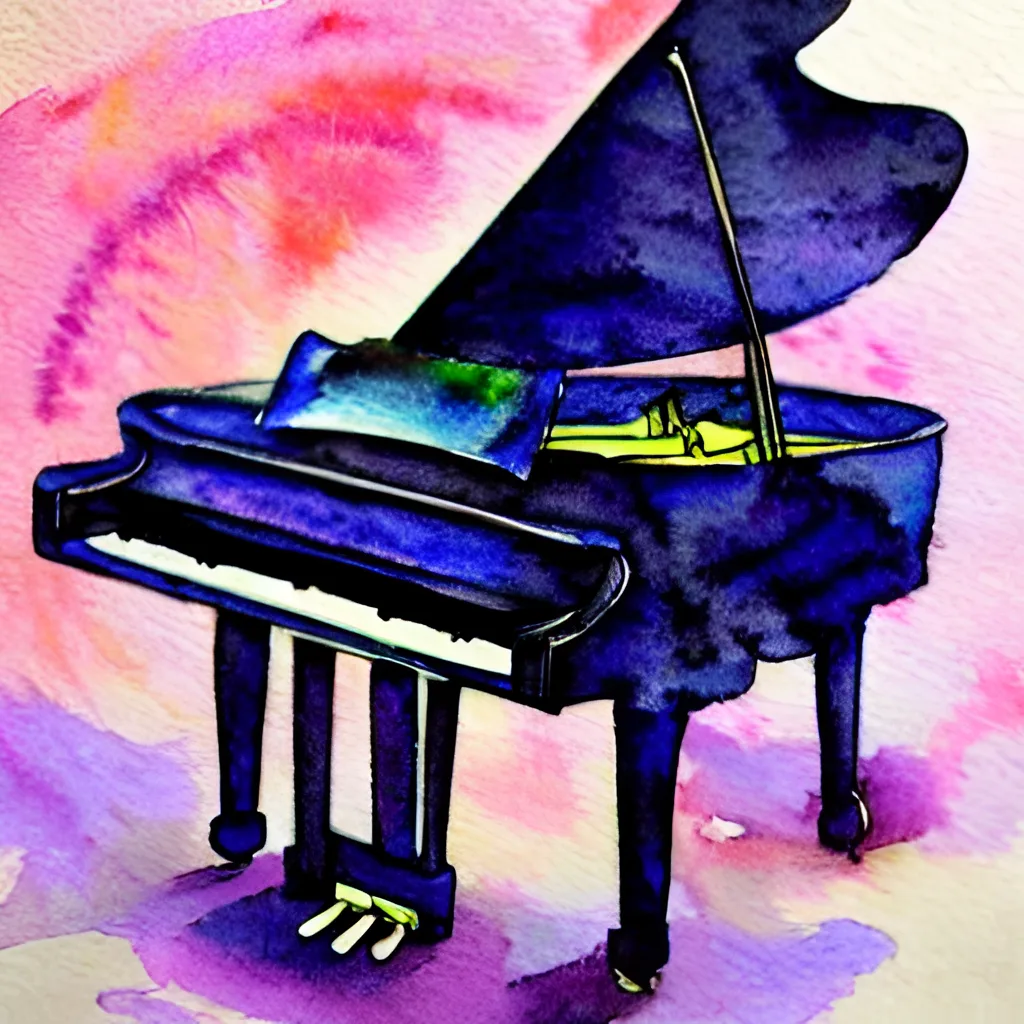
Troika is the movement of Prokofiev's orchestral suite Lieutenant Kijé that is most often played on its own, catalogued as Op. 60 and completed around 1934. The suite comes from the music he wrote for a film. "Troika" refers to the scene of three horses pulling a sleigh forward; the music is light, with a clear rhythm, and you often hear bright, bell-like sounds. The piece was later arranged for piano as well. When playing the piano version, the most important thing is to keep the light stepping pulse and the clear rhythm steady, so that the sound is bright but not hard, without having to play every note heavily.
Practise Slowly First, Then Gradually Bring the Tempo Up
The original sounds fast and light, but if you play at the speed of the recording from the very start, it is easy to rush and sound hard.
You can first fix the rhythm and fingering at a moderately slow tempo, then gradually approach the tempo of the score or the recording.
Speeding up a little each day is steadier than raising it too much at once.
Bright but Not Piercing
The full score often has fairly bright, short sounds, and piano arrangements use staccato or light figures in the high register to approach this effect.
These notes should be bright and short, but not struck so that they sound sharp.
Move the fingertips down and up quickly while keeping the wrist relaxed, and the sound will be crisper.
Asking Teacher Aum to Listen to the Pulse in Your Lesson
In your lesson, you can ask Teacher Aum to listen to whether the rhythm stays steady throughout and whether the short notes in the high register are being struck too hard.
Where the melody is covered up, you can also ask your teacher to mark which voices need to be played more softly.
From a piece of music depicting a sleigh, you practise playing a light rhythm clearly.
You've read 29% of this article
Log in for free to read the remaining 71%
- Free to use
- No credit card needed
Plus, try Premium free for 7 days in the TIGA ALPHA app.
Continue with Google Sign up free Already a member? Log in- From Prokofiev's Lieutenant Kijé suite, Op. 60
- The suite was arranged from film music, around 1934
- Depicts three horses pulling a sleigh forward
- Light, clear rhythm, often with bright, bell-like sounds
Listen to Melody and Accompaniment Separately
Above the light background there is usually also a more singable melody.
First play the melody alone clearly, then add the accompaniment rhythm pattern lightly.
If, once the hands are together, all that is left is "bustle", it means the accompaniment is too heavy or the melodic phrases have not yet taken shape.
A Light but Clear Rhythm
The beat of this music is quite clear, and the accents often follow a regular pattern, like a sleigh gliding forward one push at a time.
When playing the arrangement, count the beat steadily first, and do not add weight to all the notes at once just to make it "lively".
You can first tap the basic rhythm lightly with your hands, then go back to the piano and check it.
From Film to Suite
Lieutenant Kijé was originally music Prokofiev wrote for a film, and he later selected several sections from it and arranged them into an orchestral suite.
The suite's opus number is 60 and it was completed around 1934; Troika is one of its most widely known movements.
Even if you have never seen the film, just listening to the music you can feel a scene moving forward, with a chill in the air and laughter.
Troika Summary
Troika comes from Prokofiev's Lieutenant Kijé suite of around 1934. It comes from film music and depicts three horses pulling a sleigh forward, with a light, clear rhythm and bright tone colours.
For the piano arrangement, use little pedal, first steady the pulse, then let the melody be heard, and gradually increase the tempo.
You can ask Teacher Aum to listen to your pulse and touch.
Use Little Pedal
In passages like this, with clear rhythm and short, crisp sounds, the pedal should be used sparingly.
If you use too much, the bell-like short notes will blur together and the pulse becomes indistinct.
If a long note needs a little resonance, you can touch the pedal lightly and change it cleanly straight away.

What Is a Troika
In the traditional Russian way of travelling, a troika means three horses pulling a sleigh or carriage.
The music is not numbering each horse; it uses a steady rhythm and bright tone colours to approach the feeling of a sleigh moving over snow.
When you listen, you can first catch that pulse which keeps moving forward.
How to Start with This Troika
The difficulty of piano arrangements depends on the version: some are fairly simple, and some write the orchestra's layers very fully.
An intermediate learner who can already play staccato lightly and keep the rhythm steady can start with a version whose layers are not too crowded.
Listening first to the original orchestral version, then learning the piano arrangement, gives you a better idea of which notes should be bright and which should give way.
FAQ
Q: Which work does Troika come from?
A: Prokofiev's orchestral suite Lieutenant Kijé, Op. 60.
Q: How is this suite related to the film?
A: The suite was arranged from the music he wrote for a film.
Q: What scene does "Troika" refer to?
A: Three horses pulling a sleigh or carriage forward.
Q: Why should the pedal be used little in the piano arrangement?
A: So that the short, bright notes and the clear pulse do not blur together.
Q: Is it a good idea to play it very fast from the start?
A: No. First fix the rhythm and fingering, then gradually approach the original tempo.
Start Practising with TIGA ALPHA
TIGA ALPHA is an AI piano teaching app built by a team in Thailand. The app is available in 10 languages: Thai, English, Chinese, Arabic, Japanese, Russian, Spanish, French, Hindi and Korean. Its CEO, Teacher Aum, has 20 years of experience teaching piano, and that teaching background shapes every lesson. When you play, the app listens and tells you which notes or beats to practise next, so the feedback is specific rather than generic. Use it as an online piano lessons app for short daily sessions, follow it as a complete online piano course, or combine it with lessons from a teacher. Whether you are starting from scratch, coming back after a long break, learning music alongside your children or simply playing for fun, your next step stays clear. New users get a 7-day free Premium trial, then US$24.99 per month.
- Download and start: TIGA ALPHA
- In-person lessons in Thailand: TIGA Studio
- About the company: tigaalpha.com