Silent Practice Systems on Acoustic Pianos: Headphones at Home
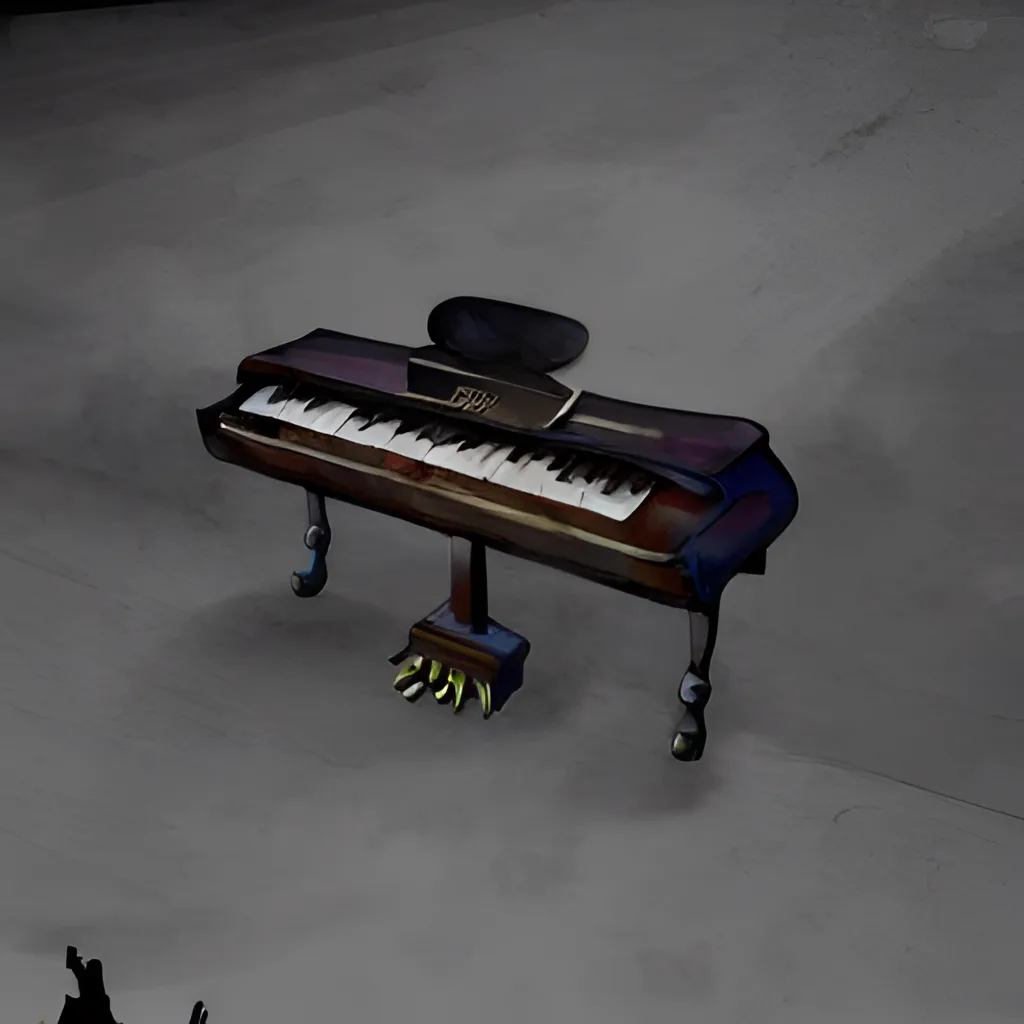
A silent practice system on an acoustic piano is a mechanism that stops the hammers from reaching the strings and, instead, lets sensors on the keys drive a digital piano sound through headphones or a small speaker. The player still sits at the familiar instrument, with its usual key size and, in many cases, a similar sense of weight, while the room stays quiet. The idea is useful in apartments, late hours, and shared houses. It is not a complete substitute for the acoustic sound of the same piano, and it should not be described as one.
What the system is doing, in plain terms
When the silent mode is engaged, a rail or similar stop keeps the hammers from hitting the strings. Key motion is still read, and a headphone output provides a piano sample or a modelled sound. The acoustic instrument remains a real piano; the silent path is an added, quiet mode. A player who has never used the system should learn, from the instrument’s own instructions or from a technician, how to engage and leave that mode without forcing any part.
A first familiarisation can be simple:
- Find the control that enters and leaves silent mode, and practise both actions.
- Check sitting position, because headphones add a cable or a wireless pack that should not pull the head forward.
- Play a known piece first in ordinary acoustic sound, then in silent mode, and notice what changes.
- Play a few strong chords and a few very soft notes, and listen for whether both ends of the range still feel usable.
You've read 27% of this article
Log in for free to read the remaining 73%
- Free to use
- No credit card needed
Plus, try Premium free for 7 days in the TIGA ALPHA app.
Continue with Google Sign up free Already a member? Log in
What a player can honestly expect
Silent mode can make regular weekday practice possible when acoustic sound would disturb a household or a neighbour. Scales, finger work, and much repertoire can be rehearsed. What often changes is the bloom of the real strings, the way a room answers a forte, and the way some pedalling and partial-pedal effects behave. A player who only ever works in headphones may be surprised, later, by the acoustic instrument’s louder voice and longer decay.
Keep some sessions in ordinary acoustic sound
If household rules allow any un-silenced playing, even a short session, use it to check tone, pedalling, and balance. The silent system then remains a tool for quiet hours, not the only way the piano is ever heard.
Installation, servicing and fairness at home
Fitting such a system is a technical job for a qualified technician, not a casual weekend experiment with the action. Once it is installed, ordinary piano maintenance still matters: the acoustic instrument must still be tuned and regulated when it is used as a piano. At home, agree which hours are silent, which hours may be acoustic, and how a family shares the instrument, so the new mode does not become an unspoken rule that nobody may ever hear the strings.
A short later session with TIGA ALPHA can review a phrase after a silent-mode rehearsal, or after an acoustic check of the same phrase. The system at the piano should already have been set up so the player can switch modes without fuss.
Limits that belong in any honest description
Headphones can fatigue the ear if the level is high. A digital sound may invite a brighter, more percussive playing style than the acoustic piano rewards. Some players also find that ensemble playing, or close listening with a teacher in the same room, is clearer in acoustic mode, because both people can hear the same sound in the air. None of these limits make the system unhelpful; they simply mark what it is for.
FAQ
Q: Does a silent system turn an acoustic piano into a digital piano?
A: No. It adds a quiet mode. The instrument remains an acoustic piano when the hammers are allowed to reach the strings.
Q: Can I learn pedalling only in silent mode?
A: You can rehearse timing. The real decay and some half-pedal effects should also be checked in acoustic sound when possible.
Q: Is installation something I can do from a short video?
A: No. The action of an acoustic piano should be altered only by a qualified technician, following the system’s own instructions.
Q: Will neighbours hear nothing at all?
A: They should hear much less, especially with headphones. Mechanical key and pedal noise may still be faintly present in a very quiet building.
Q: Should a student use silent mode for a whole week before a recital on an acoustic piano?
A: It is wiser to include some acoustic sessions, so tone and volume in the room are not a surprise.
Get started with TIGA ALPHA
TIGA ALPHA is an AI piano teaching app built by a Thai team, with lessons in 10 languages: Thai, English, Mandarin, Arabic, Japanese, Russian, Spanish, French, Hindi and Korean. Its CEO, Teacher Aum, has 20 years of experience in piano teaching, and that music teaching background shapes every lesson, while piano teaching with AI gives you feedback each time you play piano. Use it as an online piano lessons app for short daily sessions, follow it as a complete AI online piano course, or combine it with a piano course or piano learning course led by a teacher. Whether you want to learn piano from zero, learn piano online after a long break, learn music alongside your children or simply play music for fun, this online piano teaching application keeps your next step clear. New users get a 7-day free Premium trial, then US$24.99/month. Open the piano teaching app below and pick a first lesson that fits your week.
- Download and start: TIGA ALPHA landing page
- In-person lessons in Thailand: TIGA Studio
- About the company: tigaalpha.com
Use a silent system when the house needs quiet, and return to ordinary acoustic sound when you can, so both the neighbours and the real instrument remain in the picture.