Slow Music and Breathing: What Listeners Notice When Tempo Slows Down
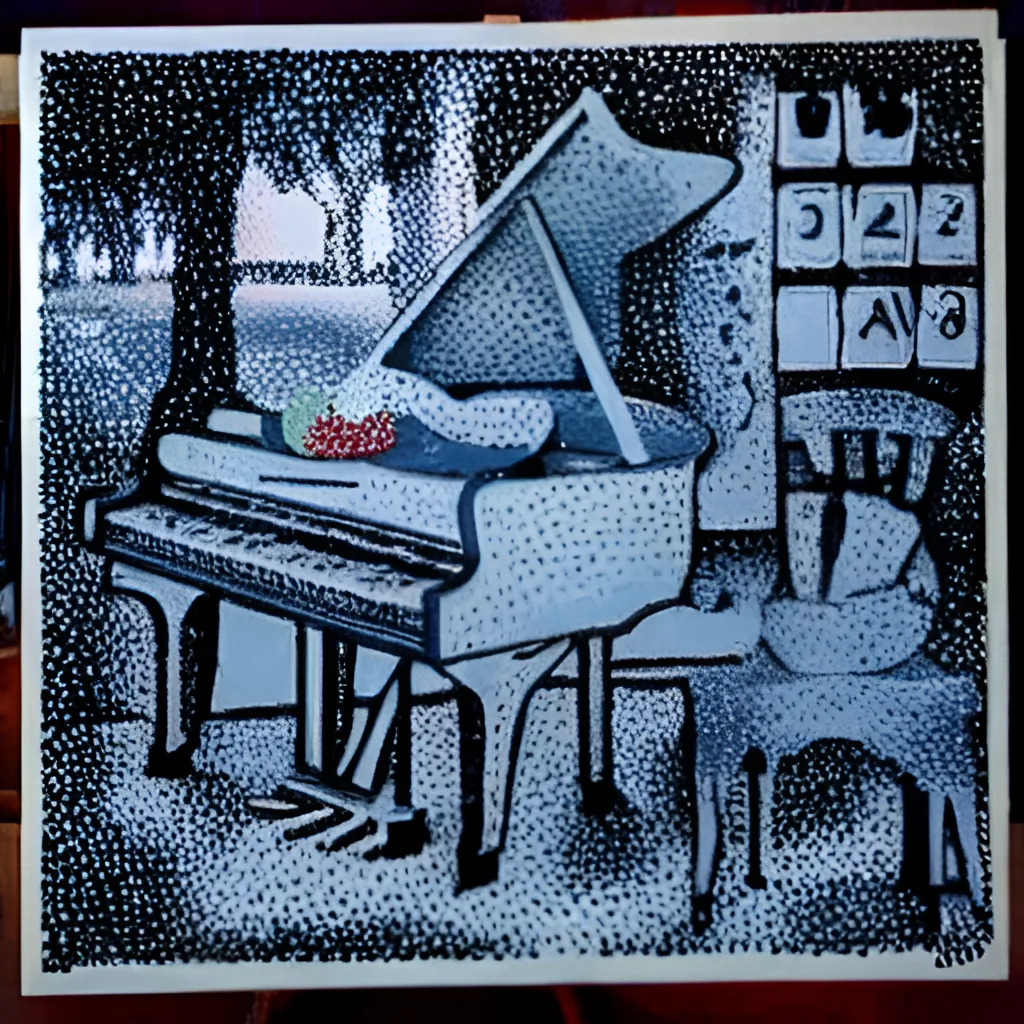
Many listeners notice that slow music, with a gentle tempo, steady rhythm and smooth melody, invites them to breathe more slowly and pay closer attention. Researchers in music psychology have studied how features such as tempo, rhythm and volume relate to listeners' breathing and sense of arousal, and many studies describe a tendency for people to feel calmer with slower, quieter music, although responses vary from person to person. This article offers general information about these listening experiences and simple ways to explore them at home. It does not make medical claims, and music is not a substitute for professional care.
Musicians also experience the link between music and breath directly. Singers and wind players breathe with phrases, and pianists often find that phrasing improves when they breathe with the music.
How tempo connects with the body
Tempo is the speed of the beat, often measured in beats per minute. People naturally tend to move in time with a beat, a tendency sometimes described as entrainment. Fast, energetic music may encourage tapping or dancing, while slow music invites stillness. Breathing does not lock exactly to the music, but some listeners find their breath settling into longer cycles during slow passages.
Other features that matter
- Volume: softer music is often perceived as calmer than loud music.
- Rhythm: steady, predictable rhythms feel more settled than sudden changes.
- Melody: smooth, stepwise lines tend to feel gentler than wide leaps.
- Texture: simple textures with few instruments can feel spacious.
A simple listening exercise
Choose a slow piano piece you enjoy. Sit comfortably and listen without doing anything else. During the first minute, simply notice your breathing without changing it. Then, for the rest of the piece, let your exhale follow the length of the musical phrases. Afterwards, note in a few words how you feel, and perhaps repeat the exercise on another day with a different piece to compare. There is no right or wrong result; the purpose is awareness.
Personal taste is important
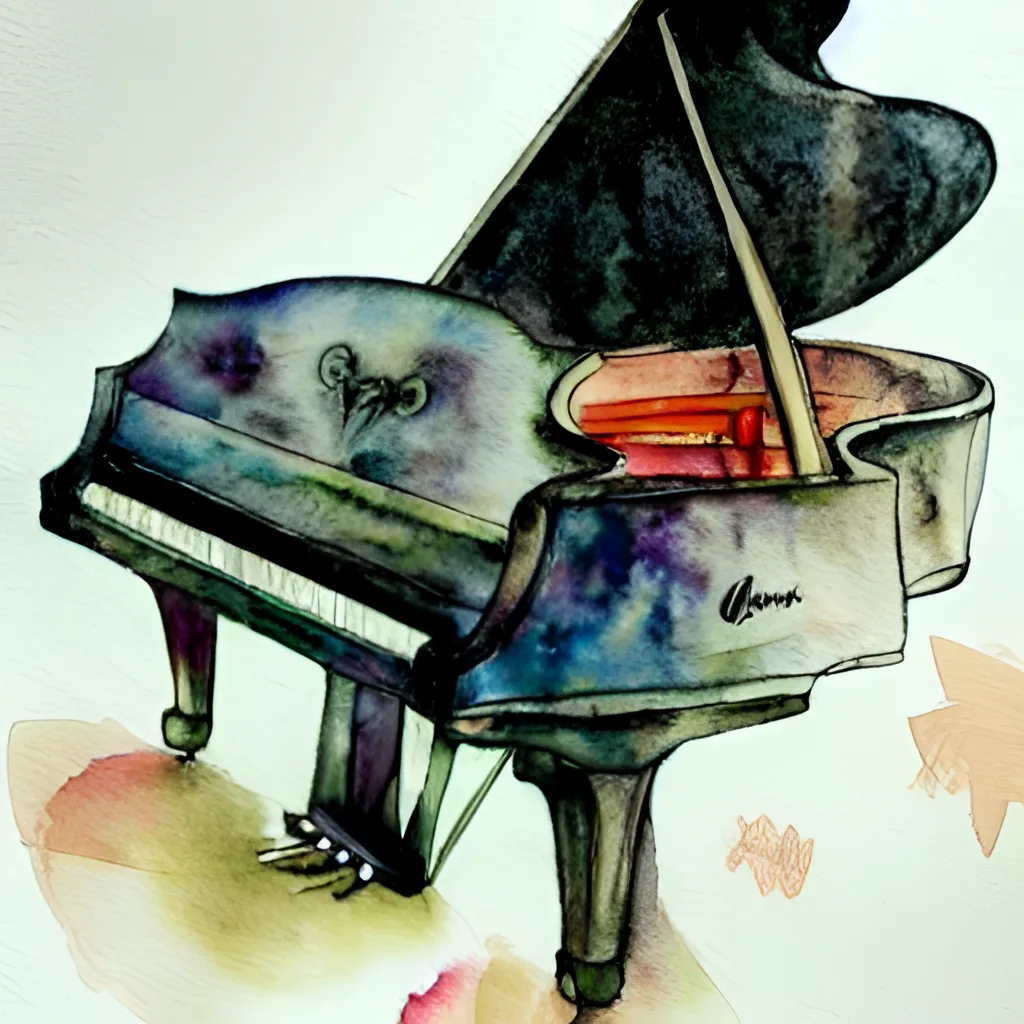
Responses to music are personal. A piece that one person finds peaceful may feel sad or boring to another. Familiar music, cultural background and memories all shape our reactions. If a slow piece brings up uncomfortable feelings, choose something else. Calm music does not have to be classical: gentle acoustic songs, ambient sounds or traditional melodies from your own culture can all work.
Choosing music for quiet moments
- Pick pieces you already like rather than unfamiliar "relaxing" playlists.
- Keep the volume moderate, especially with headphones.
- Avoid music with sudden loud changes if you want a calm atmosphere.
- Try a short playlist of similar tempos so the mood stays steady.
Playing slow music yourself
Playing slowly at the piano can be a different experience from listening. Many pianists find that slow pieces require deep attention to tone, timing and breath. Practising a simple, slow melody while breathing with each phrase may help you play more musically and feel more present. Beginners can try playing a five-note melody very slowly, listening to each note fade before moving on.
What music cannot do
Music can be a pleasant part of daily life, but it is not a medical intervention. It cannot replace advice from health professionals. If you are dealing with ongoing stress, sleep problems or any health concern, speak with a qualified professional. In clinical settings, specially trained and licensed practitioners use music within careful, individual plans; that work is different from everyday listening at home.
FAQ
Q: Does slow music make everyone feel calm?
A: Not everyone. Many people report feeling calmer, but responses depend on personal taste and experience.
Q: What tempo counts as slow?
A: There is no strict rule, but many slow pieces have a relaxed pulse that feels close to a calm walking pace or slower.
Q: Is it better to listen or to play?
A: Both can be enjoyable. Listening is passive and easy; playing adds focus on touch and timing.
Q: Can this replace professional advice?
A: No. Everyday listening is a personal pleasure; health questions belong with a doctor or other licensed professional.
Note: What you have read here is general information, not medical advice. If you have a health question, talk to a doctor or to a licensed clinical music specialist.
Play calm, slow music at your own pace with TIGA ALPHA
TIGA ALPHA is an AI piano teaching app built by a Thai team, with lessons in Thai, English and Mandarin. Its CEO, Teacher Aum, has 20 years of experience in piano teaching, and that music teaching background shapes every lesson, while piano teaching with AI gives you feedback each time you play piano. Use it as an online piano lessons app for short daily sessions, follow it as a complete AI online piano course, or combine it with a piano course or piano learning course led by a teacher. Whether you want to learn piano from zero, learn piano online after a long break, learn music alongside your children or simply play music for fun, this online piano teaching application keeps your next step clear. New users get a 7-day free Premium trial, then 799 THB/month. Open the piano teaching app below and pick a first lesson that fits your week.
- Download and start: TIGA ALPHA landing page
- In-person lessons in Thailand: TIGA Studio
- About the company: tigaalpha.com
Sometimes the most valuable part of music is simply the time it gives us to listen.