Sugar Plum Fairy on Piano: How to Imitate the Celesta Sound
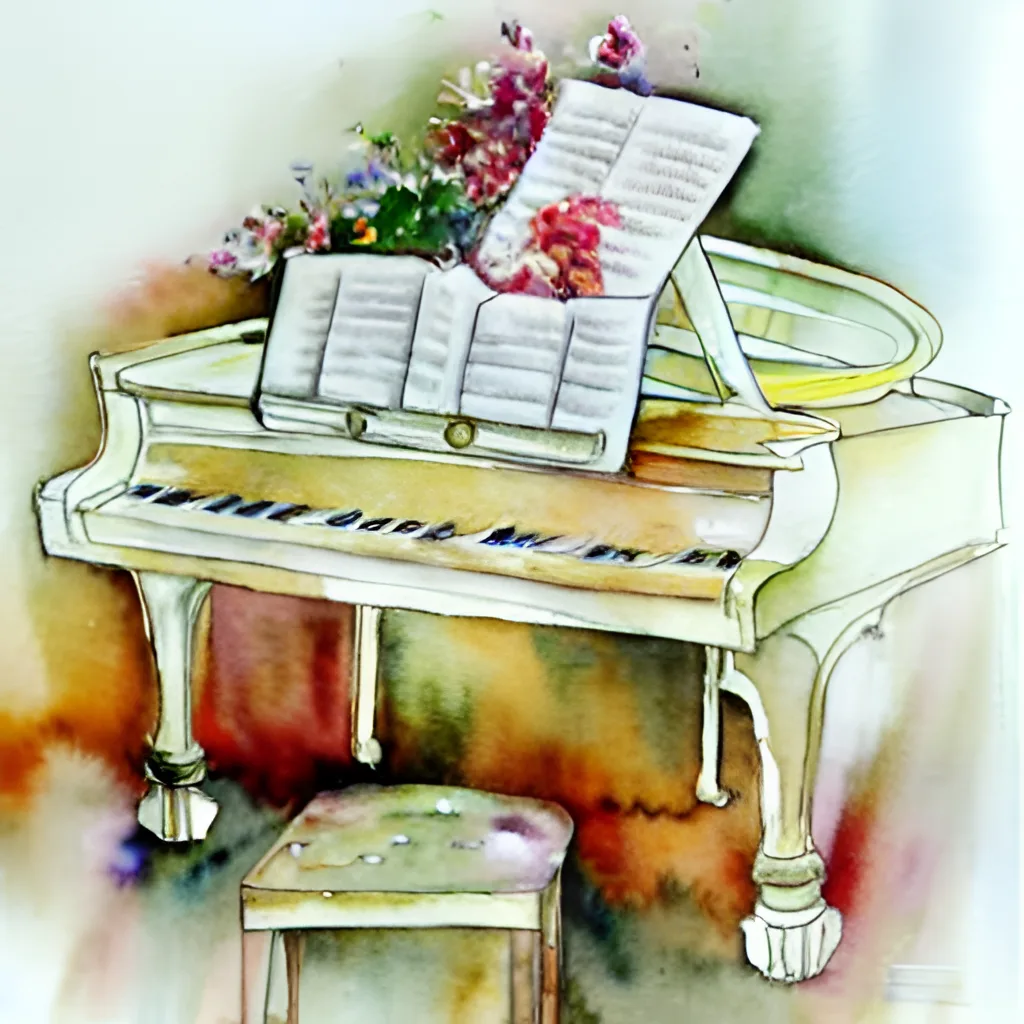
In The Nutcracker, Tchaikovsky gave the "Dance of the Sugar Plum Fairy" to the celesta, a keyboard instrument whose hammers strike metal bars instead of strings. To make it sparkle on a piano, play the melody high on the keyboard with a light, detached touch, keep the pedal short and clean, and treat every note as a tiny bell rather than a singing line.
The piece is a favorite in the holiday season, and simplified arrangements exist for almost every level. This article explains where the celesta sound came from and how to imitate it convincingly on an ordinary acoustic or digital piano.
The instrument behind the tune
The celesta looks like a small upright piano. Inside, felt hammers strike steel plates mounted over wooden resonators, producing a soft, bell-like tone. It was developed in Paris by Auguste Mustel and patented in 1886. The French word céleste, meaning heavenly, gave the instrument its name.
Tchaikovsky heard the instrument in Paris and arranged for one to be sent to Russia for his new ballet. The Nutcracker premiered in St Petersburg in December 1892, and the Sugar Plum Fairy's dance introduced many listeners to the celesta for the first time. Since then the instrument has appeared in orchestral works and many film scores, often to suggest magic, snow or childhood wonder.
Why the piano sounds different
A piano string, once struck, sustains with a warm, slowly fading tone. A celesta bar rings more briefly and brightly, with less body. That is the key difference you need to imitate:
- Shorter notes: detach the melody slightly instead of connecting every note.
- Higher register: the celesta part sits high, so play the tune an octave above where you might naturally place it if your arrangement allows.
- Less weight: use fingertips and a quick, light release, not heavy arm weight.
- Clean pedal: a long pedal blurs the bell effect. Use short touches or none at all.
- Soft pedal option: on an acoustic grand, the una corda pedal can make the tone a little thinner and more delicate.
Learning the piece step by step
Know your arrangement
Simplified versions often put the melody in the right hand with a light left-hand accompaniment, while advanced versions include the answering runs the bass clarinet plays in the orchestra. Choose an arrangement that matches your reading level.
Learn the rhythm in strict time
The dance has a quiet, tiptoeing pulse. Count steadily and resist rushing the short notes. A metronome at a slow tempo keeps the character precise.
Shape the melody's mystery
The piece is in a minor key, and its charm comes from a sense of secrecy rather than loud brilliance. Keep the overall dynamic soft, and make small crescendos only where the phrase rises.
Practise the runs separately
If your version includes fast scale runs, practise them in small groups of four notes, then join the groups. Smooth runs matter more than speed.
Add character last
Once notes and rhythm are secure, experiment with touch. Try a slightly sharper staccato on repeated notes and a softer release at phrase endings.
Choosing a digital piano setting
Many digital pianos include a celesta, glockenspiel or music-box sound. Using it for practice can be fun and helps you hear the intended color. Still, practise on the standard piano sound too, because most performances, recitals and family gatherings will use an acoustic or piano setting. The real skill is producing a bell-like effect through touch alone.
Holiday playing without stress
Seasonal pieces often come with a deadline, such as a family celebration or school event. Start learning at least a few weeks before, choose an arrangement slightly below your maximum level, and play it for one listener before the big day. A comfortable performance of a simpler version sounds far better than a nervous attempt at an advanced one.
Support from an AI learning app
Structured daily practice makes deadlines easier. An online piano teaching application can break a piece into short sections, keep a steady pulse and track which bars still need work. TIGA ALPHA is an AI piano teaching app from a Thai-built company, with lessons in Thai, English and Mandarin. Teacher Aum leads the company as CEO and brings 20 years of piano teaching to the lesson design, while the business describes its mission as education innovation through advanced technology. Piano teaching with AI gives repertoire practice a clear plan; learners who want more depth can add a studio piano course, a structured piano learning course or other live music teaching.
Frequently asked questions
Q: Is the Sugar Plum Fairy dance suitable for beginners?
A: Simplified arrangements are available for early learners. The original orchestral part and full piano transcriptions are more demanding.
Q: Can I use the sustain pedal?
A: Lightly and briefly. Heavy pedal blurs the detached, bell-like character the piece needs.
Q: What other music uses the celesta?
A: It appears in many orchestral and film scores, often to suggest magic or snow. Listening to a few examples helps you imagine the tone you want.
Q: Can I learn holiday pieces if I learn piano online?
A: Yes. Many learners prepare seasonal music with an online piano lessons app or an AI online piano course, practising short sections each day.
Start your Sugar Plum practice
Choose an arrangement, set a slow tempo and practise the light touch today. To learn piano and learn music with daily guidance, try TIGA ALPHA with a 7-day free Premium trial, then 799 THB/month. Download it from the TIGA ALPHA landing page, explore lessons at TIGA Studio, and visit tigaalpha.com to learn more. A piano teaching app makes it easy to play piano and play music that sparkles this season.