The Toy Piano: A Small Instrument With a Serious Sound

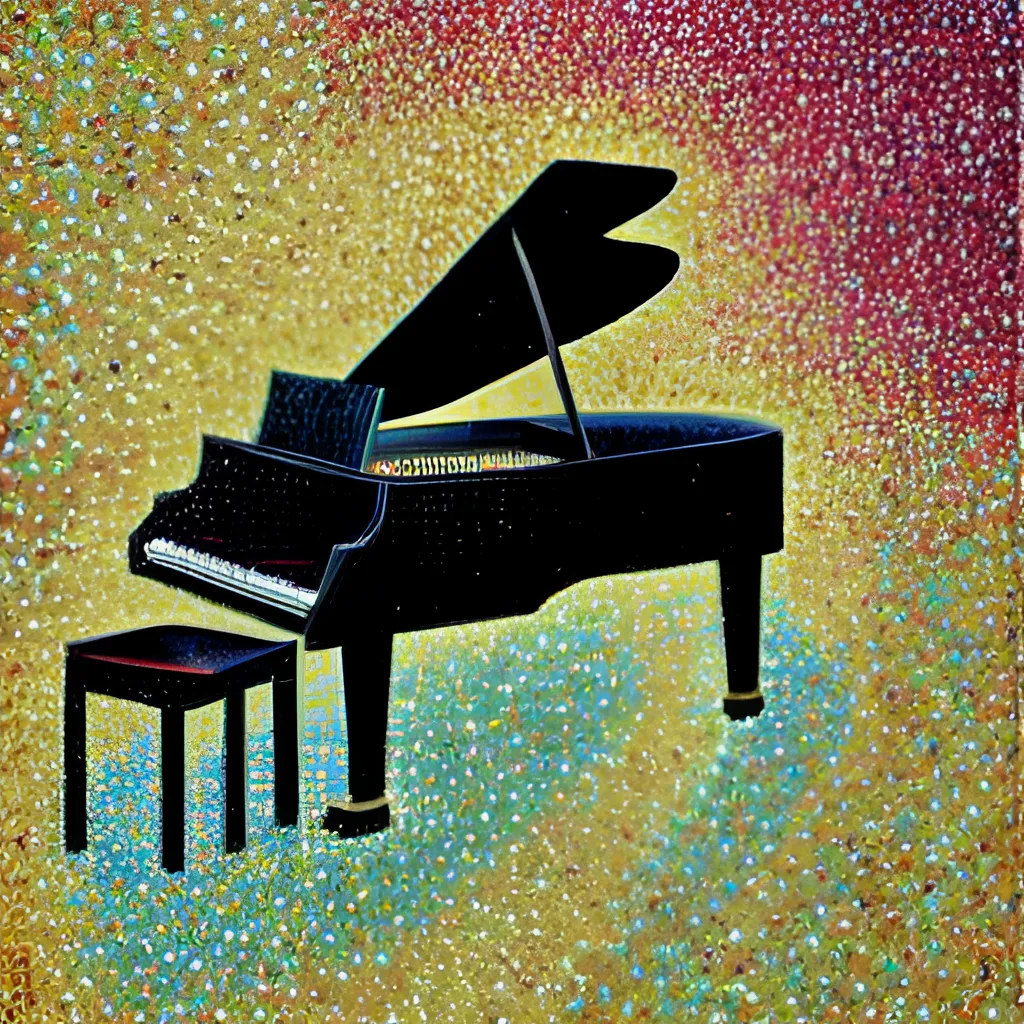
A toy piano is a small keyboard instrument in which hammers strike metal rods or bars instead of strings. It was first made as a children's toy in the nineteenth century, but its clear, bell-like and slightly out-of-tune sound has attracted serious composers and performers. Pieces have been written specifically for it, and some musicians give full concerts on toy pianos. For learners, it is a reminder that the way a keyboard makes sound shapes the music written for it, and that a small instrument can still carry real musical ideas.
How a toy piano makes sound
Inside a typical toy piano, each key moves a small hammer. The hammer strikes a metal rod that is fixed at one end. The rod vibrates and the wooden case amplifies the sound. Because the rods are not tuned with the same care as piano strings, notes can be slightly uneven, and the overtones are different from those of a grand piano. The result is a bright, ringing, almost chime-like tone that decays quickly.
Range and size
Most toy pianos have between one and three octaves. Some have only white keys, while others include painted or raised black keys. The keys are narrower than those of a standard piano.
From toy to concert instrument
For many years the toy piano stayed in nurseries. In the twentieth century, composers looking for new sounds began to treat it as an instrument in its own right. John Cage wrote a suite for toy piano in 1948, which is often mentioned as an early concert work for it. Later composers added it to ensembles and film soundtracks to create a sense of childhood memory, mystery or fragility.
Some performers have built careers partly around the instrument, commissioning new works and organising festivals devoted to it. Their concerts show that a limited instrument can encourage creativity, because composers must work within a small range and a fixed tone.
What makes writing for it different
- Limited range: melodies must fit within a few octaves.
- Short sustain: long notes fade quickly, so music often uses repeated notes or patterns.
- Uneven tuning: composers sometimes use the slight mistuning as a colour.
- No pedal: there is no sustain pedal, so legato depends on the fingers alone.
These limits encourage clear, simple textures. Composers often focus on rhythm, repetition and unusual harmonies rather than big, rich chords.
Toy piano lessons for full-size keyboards
Clarity over volume. A toy piano cannot play loudly, so every note must be clean. Practising quietly on a normal piano builds the same control.
Rhythm as expression. With little sustain, rhythm carries much of the music. Try playing a simple tune with no pedal and see how much character comes from timing.
Creativity within limits. Choose five notes and write a short piece using only them. Restrictions often lead to surprising ideas.
A quick home experiment
If you have a digital piano, look for a bell, celesta or music box sound and play a simple melody you already know. Then switch back to the normal piano sound and play it again. Notice how the bright, short tone changes the mood, and how you naturally play more lightly and more rhythmically with the bell sound. This small test shows how much an instrument's tone guides a player's choices.
Toy pianos in pop and film
The bell-like sound appears in songs and film scores that want a gentle or nostalgic mood. Sometimes the part is played on a real toy piano, and sometimes producers use a sampled version. Listening for it is a fun ear-training exercise: notice the quick decay and the bright overtones compared with a normal piano.
Choosing one for a child
A toy piano can be a friendly first keyboard for very young children, but it is different from a learning instrument. Its small keys and uneven tuning are not ideal for building technique. If a child shows steady interest, moving to a full-size keyboard or piano with proper key spacing is the natural next step.
FAQ
Q: Is a toy piano a real instrument?
A: Yes. Although it started as a toy, composers have written serious concert works for it.
Q: Why does a toy piano sound out of tune?
A: Its metal rods are tuned less precisely than piano strings, and their overtones differ from those of a normal piano.
Q: Can I learn piano on a toy piano?
A: It can spark interest, but the small keys make it unsuitable for building full piano technique.
Q: Do toy pianos have pedals?
A: Most do not, so notes fade quickly and legato depends on careful fingers.
Explore new sounds with TIGA ALPHA
TIGA ALPHA is an AI piano teaching app built by a Thai team, with lessons in Thai, English and Mandarin. Its CEO, Teacher Aum, has 20 years of experience in piano teaching, and that music teaching background shapes every lesson, while piano teaching with AI gives you feedback each time you play piano. Use it as an online piano lessons app for short daily sessions, follow it as a complete AI online piano course, or combine it with a piano course or piano learning course led by a teacher. Whether you want to learn piano from zero, learn piano online after a long break, learn music alongside your children or simply play music for fun, this online piano teaching application keeps your next step clear. New users get a 7-day free Premium trial, then 799 THB/month. Open the piano teaching app below and pick a first lesson that fits your week.
- Download and start: TIGA ALPHA landing page
- In-person lessons in Thailand: TIGA Studio
- About the company: tigaalpha.com
Even the smallest keyboard can open a large musical world for a curious player.