Una Corda and Soft Pedal: Quiet Colour on Acoustic and Digital
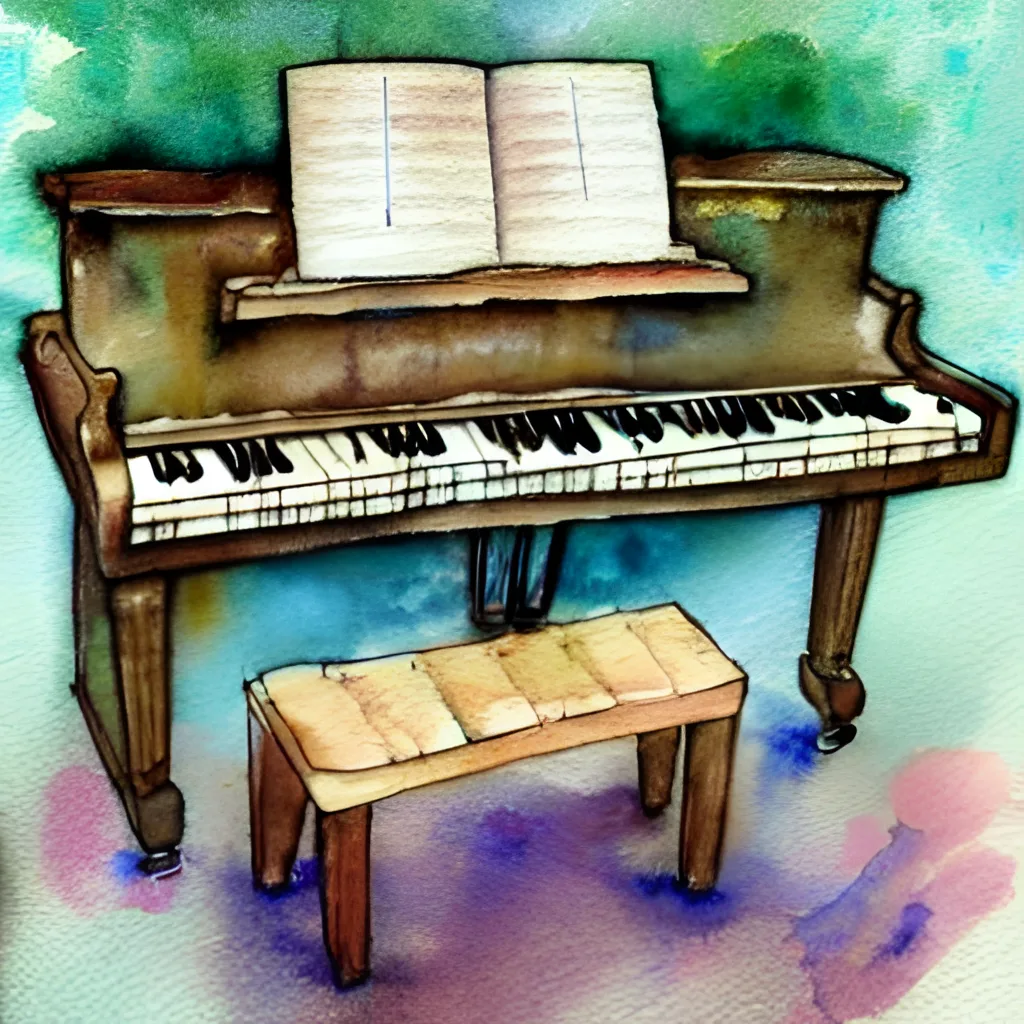
The soft pedal, often marked una corda on grand pianos, changes more than volume. On a grand, it shifts the action so hammers strike fewer strings, altering timbre as well as loudness. Uprights and digital pianos approximate the effect in different ways. Learners who understand those differences use the pedal as a colour tool instead of a panic button for “too loud” practising.
Acoustic behaviour in brief
On many grands, una corda moves hammers sideways. The sound becomes softer and often slightly veiled. On many uprights, the soft pedal moves hammers closer to the strings, reducing travel and volume with less of the grand’s colour change. Always test your own instrument: press the soft pedal and play the same mezzo phrase with and without it.
- Keep fingers active; do not let the pedal replace soft touch.
- Release the soft pedal cleanly when the score asks for open colour again.
- Combine with careful sustain-pedal changes so the texture stays clear.
Digital soft pedals
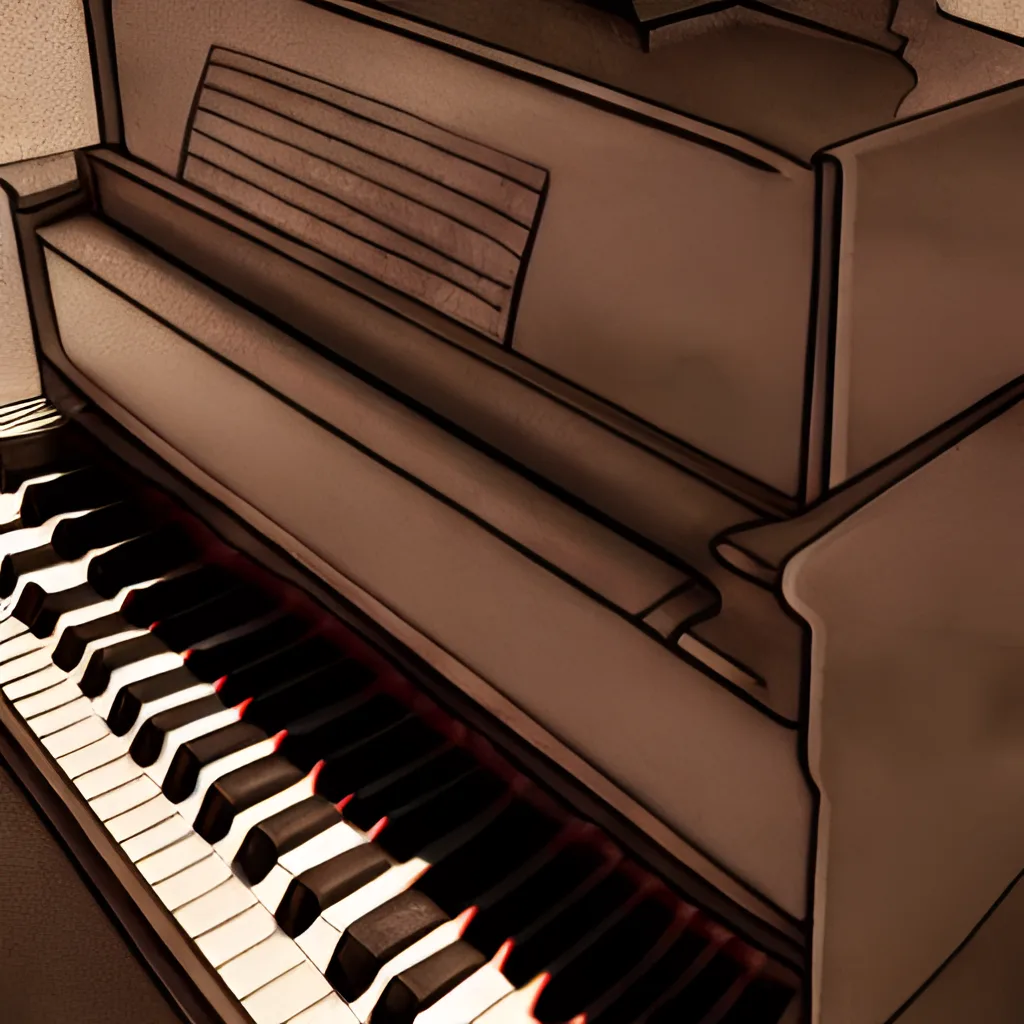
Digital pianos may lower volume, switch to a softer sample layer, filter highs, or combine those tricks. Some actions also feel lighter under a soft-pedal message. Because implementations vary, map what your model actually does with a short A/B test every time you practise on a new keyboard.
If you record MIDI, check whether soft-pedal data is stored as a controller. That helps online teachers hear your intention even when audio compression flattens dynamics.
Practice routines for quiet control
Play an eight-bar phrase four ways: finger-soft only, soft pedal only, both together, and neither. Rank which version still keeps clear beginnings of notes. The goal is controlled quiet, not fuzzy quiet. Another drill: scales at a soft dynamic without soft pedal for two minutes, then add una corda for one minute and notice whether fingers went lazy.
Teachers can assign “soft pedal optional” on some lyrical studies so students decide based on colour, not habit.
Score markings and musical judgment
Una corda markings in scores are invitations to colour. You may add soft pedal in unmarked lyrical passages if the instrument speaks harshly, but remove it when clarity suffers. In dense contrapuntal writing, soft pedal can blur voices; prefer finger balance first.
FAQ
Q: Is soft pedal the same as playing lightly?
A: No. Light fingers change attack. Soft pedal changes the instrument’s response and often its tone.
Q: Which pedal is una corda?
A: On grands it is usually the leftmost pedal. Confirm on your piano, because some instruments differ.
Q: Can beginners use soft pedal?
A: Yes, after they can play a soft phrase with fingers alone. Then add the pedal as colour.
Q: Why does my digital soft pedal feel weak?
A: The preset may only drop volume slightly. Try another piano sound or adjust instrument settings if available.
Soft pedal and exam nerves
Nerves make players press harder. Soft pedal can become a false refuge that hides the need for finger soft control. In the two weeks before an exam, designate some run-throughs as “no soft pedal allowed” while still demanding quiet dynamics. Those run-throughs reveal whether your fingers can create calm without the mechanism.
On the exam instrument, test una corda once in warm-up to learn its colour, then decide consciously whether to use it. Blind habit is riskier than a planned choice.
Soft-pedal decision box
Draw a small box in the score where una corda might begin and end. Only use soft pedal inside the box for a week. Outside the box, create quiet with fingers alone. The box turns an unconscious foot habit into a planned colour change you can discuss in lessons.
Matching soft tone across octaves
Play the same soft motif in low, middle and high octaves with and without soft pedal. Notice which register loses clarity first. Adjust finger energy register by register instead of assuming one foot pressure solves every range. This octave tour is especially useful before performing on an unfamiliar piano.
Quiet chords with visible fingers
Video your hands during soft pedal work. Check whether fingers still move with clear intention or whether they collapse into the keys. Soft colour should not equal floppy fingers. One short video review each week catches collapse early, especially in the fourth and fifth fingers of soft left-hand chords.
Control quiet colour with TIGA ALPHA
TIGA ALPHA is an AI piano teaching app built by a Thai team, with lessons in Thai, English and Mandarin. Its CEO, Teacher Aum, has 20 years of experience in piano teaching, and that music teaching background shapes every lesson, while piano teaching with AI gives you feedback each time you play piano. Use it as an online piano lessons app for short daily sessions, follow it as a complete AI online piano course, or combine it with a piano course or piano learning course led by a teacher. Whether you want to learn piano from zero, learn piano online after a long break, learn music alongside your children or simply play music for fun, this online piano teaching application keeps your next step clear. New users get a 7-day free Premium trial, then 799 THB/month. Open the piano teaching app below and pick a first lesson that fits your week.
- Download and start: TIGA ALPHA landing page
- In-person lessons in Thailand: TIGA Studio
- About the company: tigaalpha.com
Soft pedal adds a veil; soft fingers still have to shape each note underneath.