Weighted Keys: How Digital Pianos Imitate Hammer Action
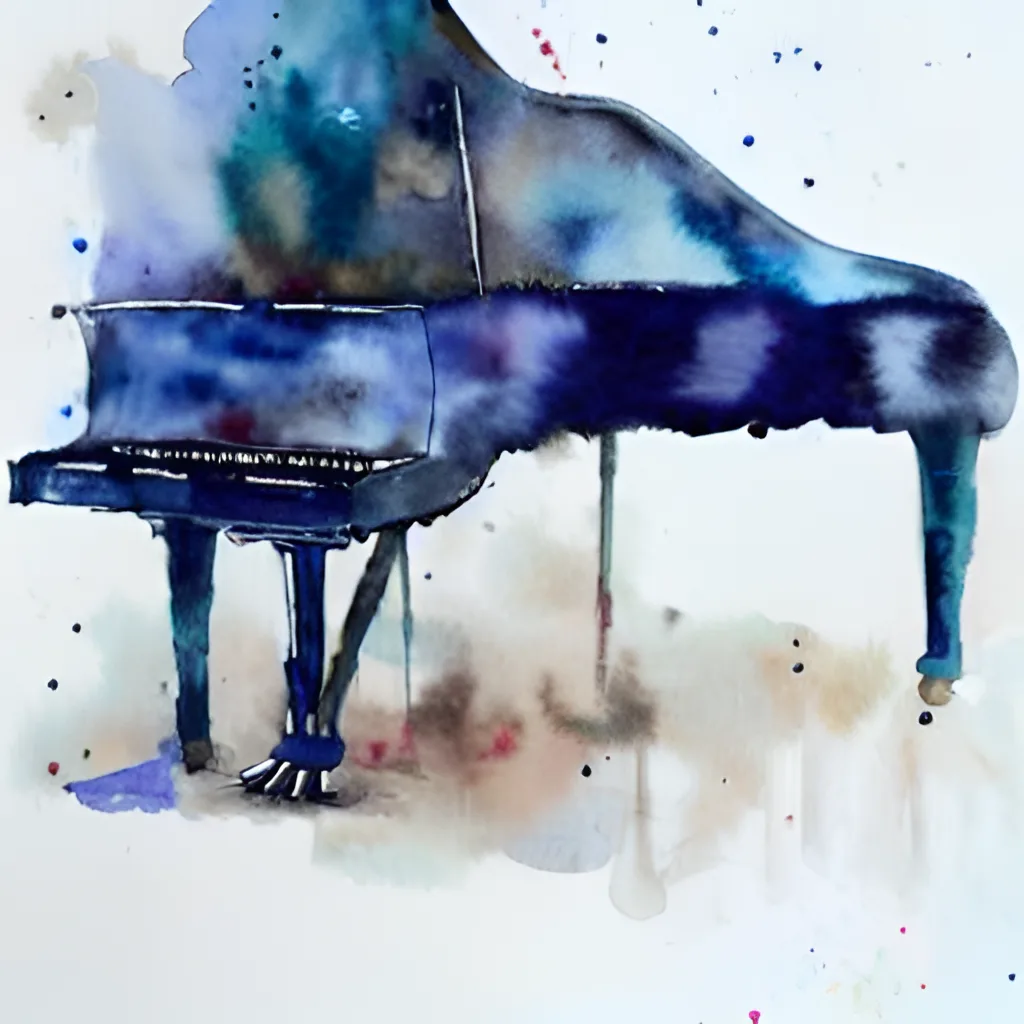
An acoustic piano has a mechanism that responds with weight: low notes feel heavier, high notes feel lighter, and the key has a particular resistance on the way down and a rebound on the way up. A digital piano has no hammers striking strings, so designers add weights, springs and sensors to approximate that feel. The terms weighted and graded describe how closely and in what way.
What weighted means
A weighted keyboard adds resistance to each key so that pressing it takes some effort, a little like an acoustic piano. This resistance can come from physical weights, spring mechanisms or a combination.
Graded
On many acoustic pianos the bass keys are heavier than the treble. A graded action copies this, so that the left side of the keyboard feels heavier and the right side lighter.
Hammer-like
Some mechanisms include a small moving part that imitates a hammer, to give a similar sense of release when a key is pressed. This is about feel and does not produce sound by itself.
How the sound follows the touch
Under each key are sensors that measure how fast the key travels. The instrument converts that speed into a loudness value and plays a sound that matches it. Many instruments use several recordings or a model so that soft and loud notes differ in colour, not only in volume.
- Faster key movement gives a louder and brighter sound.
- Slower movement gives a softer sound.
- Some designs also respond to partial key releases and re-presses.
You've read 28% of this article
Log in for free to read the remaining 72%
- Free to use
- No credit card needed
Plus, try Premium free for 7 days in the TIGA ALPHA app.
Continue with Google Sign up free Already a member? Log in
What can feel different from an acoustic piano
- The point at which a note repeats may differ from an acoustic instrument.
- The feel of the key bottom can vary, from soft to firm.
- Weight can feel heavier or lighter than a given acoustic piano.
- Fine pedal effects may be simulated and not identical.
These differences are normal, and most players adapt quickly. They are useful to know about if you move between instruments.
Habits that carry between instruments
Whatever keyboard you use, a few habits help.
Play with intention in the finger
Aim for even, controlled movement rather than banging. On a lighter action this keeps notes from jumping out.
Listen to the softest notes
Practising quiet playing builds control. A digital piano with headphones makes this easy to monitor.
Try a different instrument occasionally
If you can, play an acoustic piano from time to time to see how your touch translates.
Mind your hands
Relaxed, supported arms and wrists make any action easier. If anything hurts, stop and ask a qualified teacher or doctor.
Practice tools on any keyboard
A learning app can be used with many keyboards. TIGA ALPHA is an AI piano teaching app that works from what you play, flags the bars to repeat and keeps sessions short. Because it responds to what you play, it can be used on whichever instrument you have, whether a digital piano or an acoustic one. The aim is regular, focused practice with feedback you can follow.
Choosing a keyboard for home practice
If you are thinking about a keyboard for learning, a few practical points help. Check whether the keys cover a full range, because pieces often move across the whole keyboard. Check that the keys feel stable and that the instrument has a pedal input. Try several if you can, and notice which one you want to keep playing. Comfort matters, because a keyboard you enjoy touching is one you will return to.
- Look for a full set of keys and a pedal connection.
- Try the touch for at least a few minutes, from soft to firm playing.
- Place it at a height where your forearms are roughly level.
- Keep a headphone option for quiet hours.
FAQ
Q: Is a weighted keyboard necessary for learning?
A: Many learners find it helpful because the touch is closer to an acoustic piano, but any keyboard can be used to begin.
Q: What does graded mean?
A: The bass keys feel heavier than the treble, as on many acoustic pianos.
Q: Will my touch transfer to an acoustic piano?
A: Much of it will, though you may need some time to adjust to the new feel.
Q: Do digital pianos need tuning?
A: Their pitch is set electronically, so they do not need tuning in the usual sense.
Get started with TIGA ALPHA
TIGA ALPHA is an AI piano teaching app built by a Thai team, with lessons in 10 languages: Thai, English, Mandarin, Arabic, Japanese, Russian, Spanish, French, Hindi and Korean. Its CEO, Teacher Aum, has 20 years of experience in piano teaching, and that music teaching background shapes every lesson, while piano teaching with AI gives you feedback each time you play piano. Use it as an online piano lessons app for short daily sessions, follow it as a complete AI online piano course, or combine it with a piano course or piano learning course led by a teacher. Whether you want to learn piano from zero, learn piano online after a long break, learn music alongside your children or simply play music for fun, this online piano teaching application keeps your next step clear. New users get a 7-day free Premium trial, then US$24.99/month. Open the piano teaching app below and pick a first lesson that fits your week.
- Download and start: TIGA ALPHA landing page
- In-person lessons in Thailand: TIGA Studio
- About the company: tigaalpha.com
A keyboard that feels familiar helps the hands remember what the ear is asking for.