A Welcome Pack for New Music Students: What to Include

A welcome pack is a short set of information given to new music students and their families before or at the first lesson. It should cover the practical basics, such as lesson times, what to bring, payment and cancellation rules and how to contact the studio, along with a warm note about how learning will begin. Two to four pages, written in plain language and available both printed and as a digital file, is usually enough.
The purpose of a welcome pack
Starting lessons involves many small questions. Where do we park? What if we are late? Does my child need a keyboard at home right away? A welcome pack answers these before they become worries. It also signals that the studio is organised and caring, which helps families feel settled.
Think of it as a friendly guide, not a contract. Formal terms can be attached separately, while the pack itself stays readable.
Core sections to include
Keep each section short. Families should be able to find any answer quickly.
Welcome note
A paragraph introducing the studio's approach to teaching, written warmly and without claims about results.
Lesson basics
Lesson length, location or online platform, and what to bring, such as a notebook or the assigned book.
Payment and changes
Fees, payment schedule, cancellation and make-up lesson rules, stated clearly.
Practice at home
Realistic suggestions about how much and how often to practise at the start, with reassurance that short sessions are fine.
Contact and hours
Who to message, which channel to use and when to expect replies.
Tone that puts people at ease
New students, especially adults returning to music after many years, can feel nervous. The wording of the pack can lower that tension. Use "we" and "you," explain why rules exist and avoid phrases that sound like warnings.
You've read 32% of this article
Log in for free to read the remaining 68%
- Free to use
- No credit card needed
Plus, try Premium free for 7 days in the TIGA ALPHA app.
Continue with Google Sign up free Already a member? Log in- Instead of "Late arrivals will not be accommodated," try "If you are running late, please message us; the lesson will still finish at the usual time."
- Instead of "Students must practise daily," try "A few minutes most days helps new skills settle."
Helping families support practice
Parents often ask how they can help without becoming the practice police. A short section with gentle ideas can be one of the most valued parts of the pack.
- Choose a regular, quiet time for practice.
- Listen sometimes, and comment on effort rather than mistakes.
- Keep the instrument somewhere easy to reach.
- Let the teacher handle technical corrections.
Some families also use a practice app between lessons. With TIGA ALPHA, a student plays a short exercise and hears where notes or timing drifted, while the teacher still sets the overall direction.
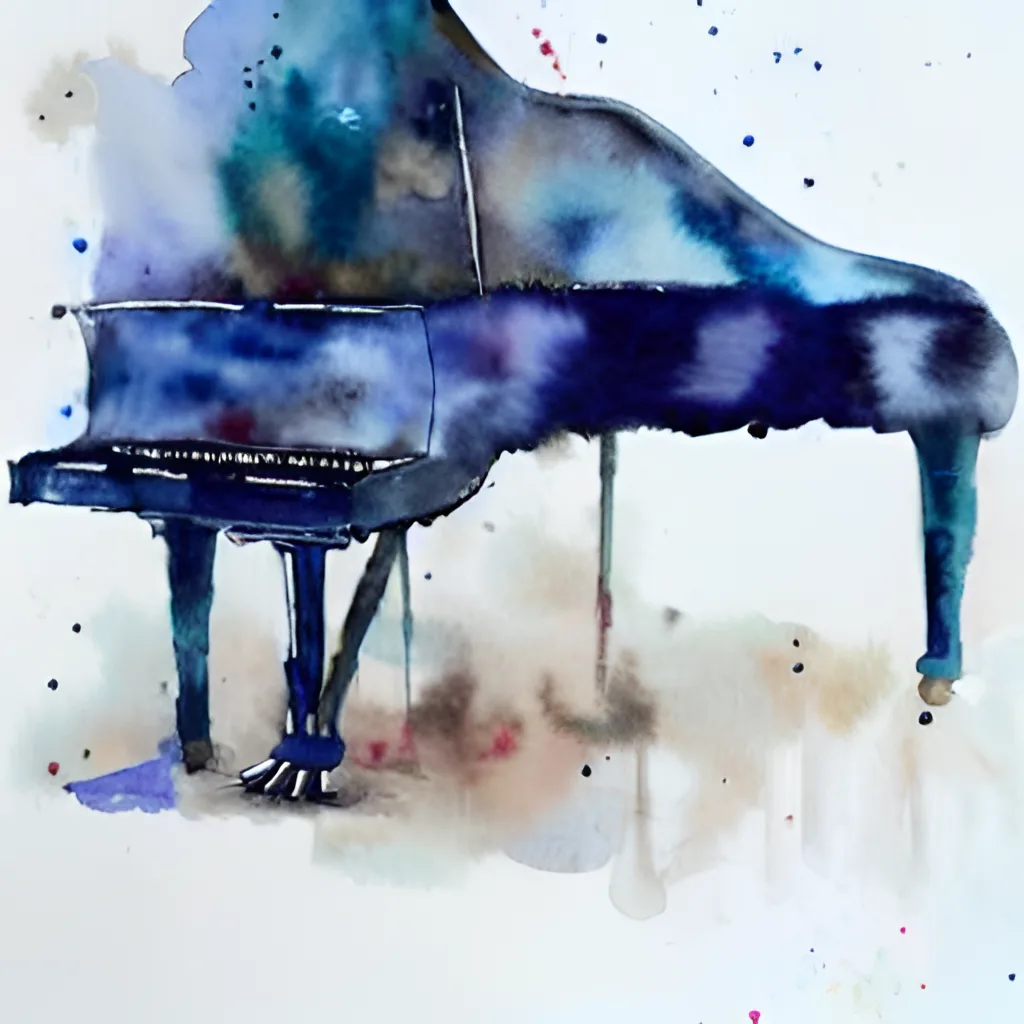
Choosing an instrument at home
Many families wonder whether they must buy an acoustic piano immediately. The pack can explain options calmly: a digital piano with weighted keys, a borrowed instrument or renting for the first months. Avoid recommending particular brands; describe features instead, such as full-size keys, a sustain pedal and a sturdy stand.
Privacy and consent forms
If the studio collects contact details, emergency contacts or photo consent, include a brief explanation of how the information is stored and used. Keep only what is needed, and tell families how to update or remove their details. This is part of handling personal data responsibly under Thai law.
Keeping the pack current
A welcome pack quickly goes out of date if fees, rooms or holiday dates change. Put a version date in the footer and review the pack each term. A digital version makes updates easy; print only as many copies as needed.
- Check contact details and fees each term.
- Ask a few recent families what was missing.
- Remove any section nobody seems to read.
The first-lesson moment
Hand over the pack in person if possible, and point out one or two key sections rather than reading it aloud. Then move quickly to the music. The aim is for the student to leave the first lesson having played something, however small, and feeling that the studio is a friendly place to learn.
FAQ
Q: Should the welcome pack include the full terms and conditions?
A: It can link to or attach them, but the pack itself works better as a short, friendly overview.
Q: Is a digital welcome pack enough?
A: For many families, yes. Offer a printed copy to anyone who prefers paper.
Q: Should adult students receive the same pack?
A: A slightly adapted version works well, with less focus on parents and more on flexible scheduling.
Q: How long should the pack be?
A: Two to four pages is usually enough to cover the essentials without overwhelming new families.
Get started with TIGA ALPHA
TIGA ALPHA is an AI piano teaching app built by a Thai team, with lessons in Thai, English and Mandarin. Its CEO, Teacher Aum, has 20 years of experience in piano teaching, and that music teaching background shapes every lesson, while piano teaching with AI gives you feedback each time you play piano. Use it as an online piano lessons app for short daily sessions, follow it as a complete AI online piano course, or combine it with a piano course or piano learning course led by a teacher. Whether you want to learn piano from zero, learn piano online after a long break, learn music alongside your children or simply play music for fun, this online piano teaching application keeps your next step clear. New users get a 7-day free Premium trial, then US$24.99/month. Open the piano teaching app below and pick a first lesson that fits your week.
- Download and start: TIGA ALPHA landing page
- In-person lessons in Thailand: TIGA Studio
- About the company: tigaalpha.com
A thoughtful welcome makes the first weeks of lessons feel calm, clear and encouraging.