West Coast Synthesis: Touch Plates, Wave Folding and New Sounds

West Coast synthesis is a style of electronic sound-making associated with designer Don Buchla, who built modular instruments in California from the 1960s. Instead of starting with a bright wave and filtering it down, it usually starts with simple waves and adds complexity through techniques such as frequency modulation and wave folding. Many of these instruments used touch-sensitive plates rather than a standard piano keyboard, encouraging players to think about gesture and texture rather than only pitch. The term is often contrasted with "East Coast" synthesis, the subtractive approach linked with Robert Moog.
Two ways to sculpt sound
The difference is easiest to imagine as two sculptors. One starts with a large block and carves material away. The other starts with a small piece of clay and adds detail.
- Subtractive (East Coast style): a bright, buzzy wave passes through a filter that removes high frequencies.
- Additive shaping (West Coast style): a smooth wave is folded, modulated or combined to create new overtones.
- Shared goal: control how bright, rich and moving a sound feels over time.
Both approaches are valid, and many modern instruments mix them.
Key building blocks
Complex oscillator
A sound source with two oscillators that can modulate each other, producing evolving tones from very simple starting points.
Wave folder
A circuit that takes the peaks of a wave and folds them back on themselves. The more you fold, the more overtones appear, creating a sound that grows brighter in a distinctive, glassy way.
Low-pass gate
A combined volume and tone control that closes quickly after a strike, giving notes a natural, plucked or struck decay. Many listeners say it sounds organic, almost like a wooden percussion instrument.
Why touch plates instead of keys
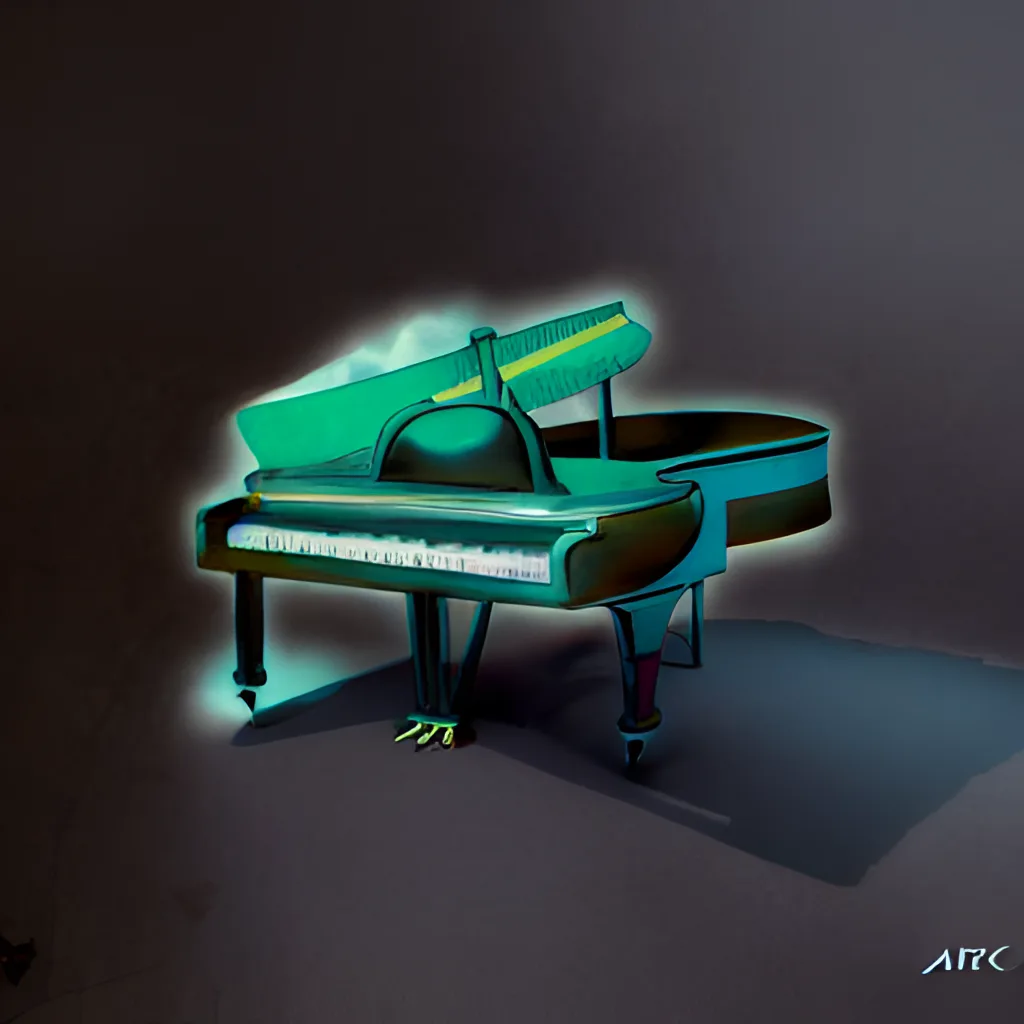
Buchla was interested in new ways of performing, so many of his controllers used flat, pressure-sensitive pads. A pad could send out how hard and where it was pressed, letting a player bend and shape sound continuously. This idea anticipated later expressive controllers and the MPE standard, which lets each finger control its own pitch bend and pressure.
For pianists, it is a reminder that the familiar keyboard is one possible design among many. The standard keyboard is excellent for harmony and fast passages, while touch surfaces favour sliding, swelling textures.
Listening for West Coast sounds
You can train your ear by focusing on three features in electronic recordings:
- Notes that start bright and quickly become soft, like a struck wooden bar.
- Tones that grow richer by "folding" rather than by opening a filter.
- Patterns that keep changing slightly instead of repeating exactly.
Comparing these with a familiar acoustic piano helps you notice how attack and decay define a sound's identity.
A keyboard experiment
On a digital piano or keyboard app, choose a marimba or mallet sound and play short repeated notes. Then switch to a sustained pad sound and play the same notes. Notice how the decay changes the way you phrase. With quick-decay sounds you can play more notes without blur; with long sounds you need more space. The same thinking applies to acoustic piano pedalling: the way a sound decays should guide how you phrase.
Gesture as part of musicianship
The West Coast approach invites a simple question: what does your body do when you make a sound? On a touch plate, sliding a finger or pressing harder changes the result directly. On the piano, gesture is less obvious but equally real. The speed of the key, the release, the movement of the wrist and the timing of the pedal all shape tone. Try playing a slow phrase while thinking only about the shape of your arm movement, as if you were drawing a line in the air. Many players find their phrasing becomes smoother, because gesture links separate notes into one musical idea.
FAQ
Q: What is West Coast synthesis?
A: An approach linked with Don Buchla that builds rich tones from simple waves using modulation and wave folding.
Q: How is it different from East Coast synthesis?
A: East Coast synthesis usually filters a bright wave down; West Coast synthesis adds complexity to a simple wave.
Q: What does a low-pass gate do?
A: It closes volume and brightness together after a strike, producing a natural plucked or struck decay.
Q: Why did these instruments use touch plates?
A: To explore new kinds of gesture, such as pressure and position, beyond the traditional keyboard.
Connect sound design curiosity with keyboard skill in TIGA ALPHA
TIGA ALPHA is an AI piano teaching app built by a Thai team, with lessons in Thai, English and Mandarin. Its CEO, Teacher Aum, has 20 years of experience in piano teaching, and that music teaching background shapes every lesson, while piano teaching with AI gives you feedback each time you play piano. Use it as an online piano lessons app for short daily sessions, follow it as a complete AI online piano course, or combine it with a piano course or piano learning course led by a teacher. Whether you want to learn piano from zero, learn piano online after a long break, learn music alongside your children or simply play music for fun, this online piano teaching application keeps your next step clear. New users get a 7-day free Premium trial, then 799 THB/month. Open the piano teaching app below and pick a first lesson that fits your week.
- Download and start: TIGA ALPHA landing page
- In-person lessons in Thailand: TIGA Studio
- About the company: tigaalpha.com
New sounds are most exciting when you have the touch and timing to shape them.