Afrobeat Keys: Interlocking Patterns for Piano Players

Afrobeat is a dance music style that grew in West Africa, built from many short, repeating parts that interlock into one long groove. For a keyboard player, the job is rarely to play big solos. Instead, the keys lock a small rhythmic figure into the spaces left by the bass, guitars, percussion and horns. Learning to think in layers like this improves timing, listening and restraint in any style you play.
The layered groove idea
In many popular songs, chords change and the band follows them. In Afrobeat, the groove often stays on one or two chords for a long time while parts weave around each other. Each instrument has a short pattern, sometimes only one bar long, and the interest comes from how those patterns overlap.
Space is part of the part
A keyboard figure might play only on a few offbeats. The rests matter as much as the notes, because another instrument fills them. If you fill every gap, the groove becomes crowded and the dance feel weakens.
Building a keyboard pattern
Start with a steady pulse in your foot or a metronome. Choose a minor chord, such as D minor, and play a two-note shape in the right hand: the third and the fifth. Place it on the "and" of beats one and three. Keep it short and crisp.
Steps to grow the figure:
- Add a passing note between the chord tones on beat four.
- Shift one hit a sixteenth note earlier for a push.
- Let the left hand play a single low root on beat one only.
- Repeat the bar for several minutes without changing it.
Repetition is the training. It is easy to want variety, but the style rewards a part that stays exactly in place while the music builds around it.
You've read 30% of this article
Log in for free to read the remaining 70%
- Free to use
- No credit card needed
Plus, try Premium free for 7 days in the TIGA ALPHA app.
Continue with Google Sign up free Already a member? Log inFitting with other instruments
Imagine the bass playing a looping line that lands strongly on beat one. Rhythm guitars might play tight muted patterns on sixteenth notes. Horns enter with short punches. Your keyboard figure needs its own slot. Listen for where the others leave holes, then aim your notes there.
A listening drill
Put on an instrumental groove recording. Tap only the bass rhythm for one minute, then only the guitar, then only the keys. Hearing each layer on its own makes it easier to design a part that does not collide with them.
Sound choices
Choosing a patch
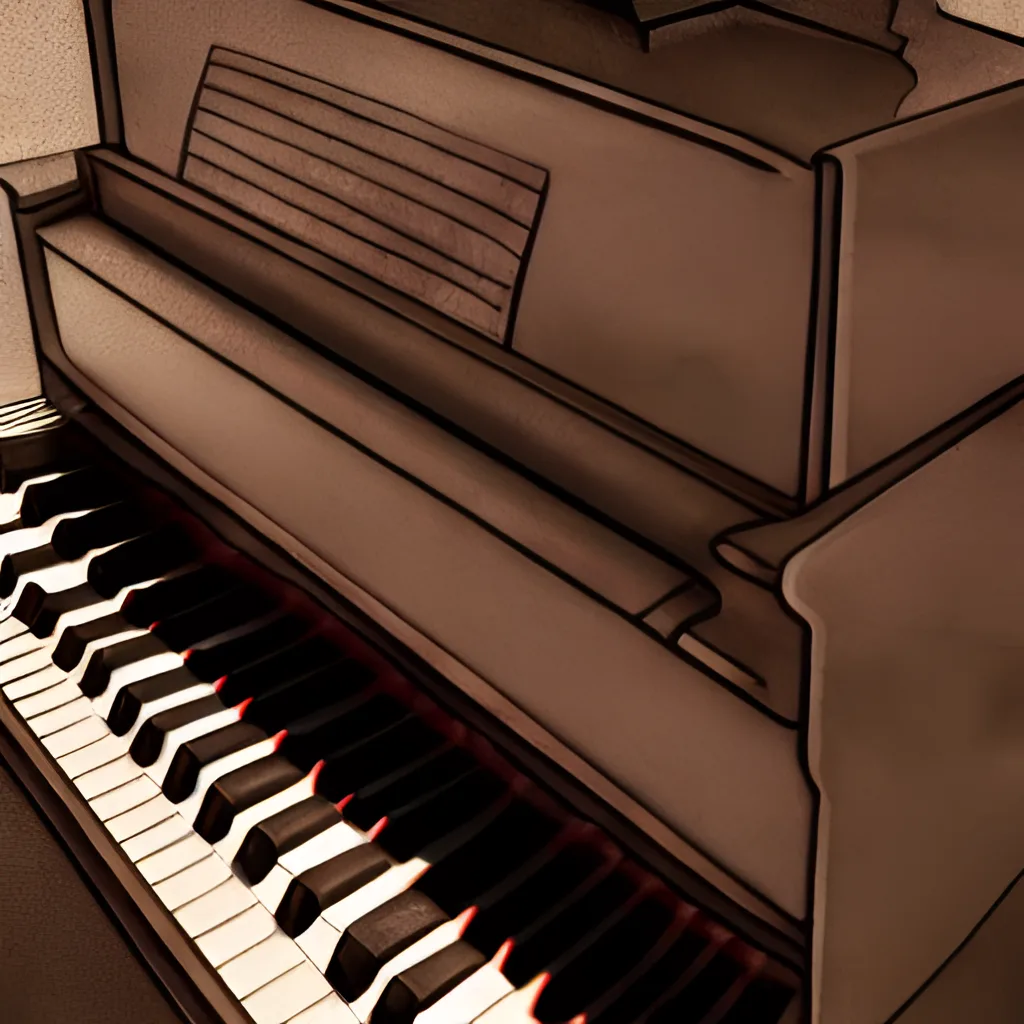
Electric piano and organ sounds are common in the style, but acoustic piano works too if you play lightly. Short notes and a dry sound keep the figure clear. Heavy sustain pedal blurs the interlock, so use the pedal sparingly or not at all.
Tone tips:
- Use a bright but not harsh electric piano patch.
- Keep velocity even so no hit sticks out.
- Cut low notes from the right hand to leave room for bass.
Practising alone
Without a band, use a drum loop or a simple recorded bass line. Record your keyboard figure over it, then listen back. Check that the part sounds locked rather than floating. If the groove feels nervous, slow the tempo and play softer. Relaxed hands produce steadier sixteenth notes.
Where new players slip
Most new players rush the groove. The pattern starts on time, then creeps forward as excitement builds. A simple fix is to count the sixteenth notes softly aloud for a few rounds before playing. Another frequent issue is playing too loud. In a layered style, a keyboard figure that is a little quieter than you expect often sounds clearer in the mix, because it no longer fights with the guitars.
Players also tend to change the part too soon. Try a rule: no variation until the original figure has repeated at least sixteen times without a slip. When you do vary it, change only one note or one rhythm at a time, then return to the home pattern. That discipline keeps the band anchored and makes small changes feel exciting rather than random.
FAQ
Q: Is notation required for Afrobeat keys?
A: It helps, but most parts are short enough to learn by ear and repetition.
Q: How long should one pattern last?
A: Often many minutes. The style enjoys long, hypnotic sections.
Q: Which chords are common?
A: Minor chords and dominant chords with added colour notes appear often, sometimes with only one chord for a whole section.
Q: Can I use these ideas in other music?
A: Yes. Interlocking parts work in funk, pop and worship bands as well.
Get started with TIGA ALPHA
TIGA ALPHA is an AI piano teaching app built by a Thai team, with lessons in 10 languages: Thai, English, Mandarin, Arabic, Japanese, Russian, Spanish, French, Hindi and Korean. Its CEO, Teacher Aum, has 20 years of experience in piano teaching, and that music teaching background shapes every lesson, while piano teaching with AI gives you feedback each time you play piano. Use it as an online piano lessons app for short daily sessions, follow it as a complete AI online piano course, or combine it with a piano course or piano learning course led by a teacher. Whether you want to learn piano from zero, learn piano online after a long break, learn music alongside your children or simply play music for fun, this online piano teaching application keeps your next step clear. New users get a 7-day free Premium trial, then US$24.99/month. Open the piano teaching app below and pick a first lesson that fits your week.
- Download and start: TIGA ALPHA landing page
- In-person lessons in Thailand: TIGA Studio
- About the company: tigaalpha.com
Groove grows from patience, so let each short pattern settle before you add the next layer.