The Bagatelle: Small Piano Pieces with Big Personality
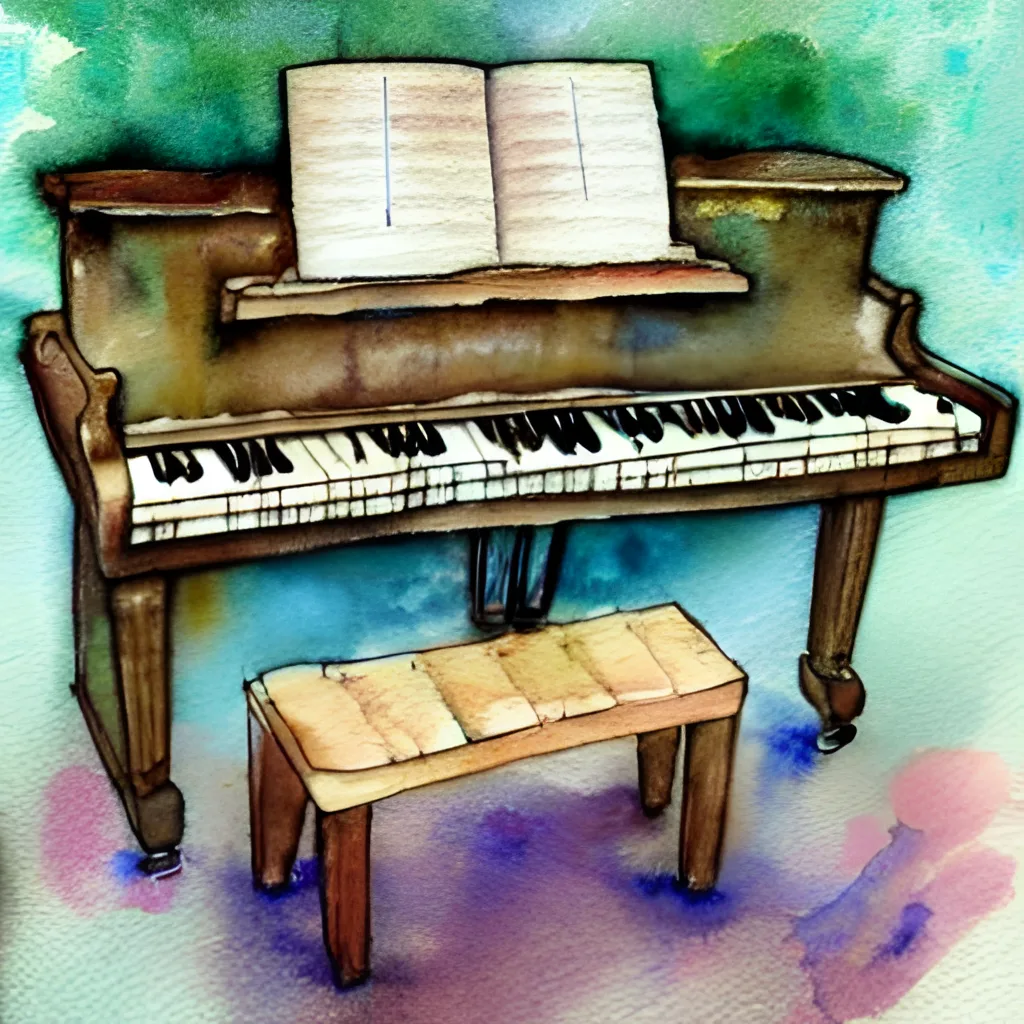
The word bagatelle means a trifle, something small and of little importance. In music, it names a short piano piece, usually light in mood and simple in form, that captures a single idea or character. Composers often wrote bagatelles as sketches, gifts or experiments, yet many of these miniatures have become beloved concert and teaching pieces. Their brevity makes them ideal for students, and their personality makes them rewarding to play well.
A trifle by name
The term comes from the Italian bagattella and the French bagatelle, both meaning a trifle. In the eighteenth century, it was used for light keyboard pieces with playful titles. By the early nineteenth century, composers began to publish sets of bagatelles, sometimes with a wink at the modest name, since the pieces could be surprisingly inventive. A widely known piano piece, often called Für Elise, is a bagatelle by Ludwig van Beethoven, who also published several sets of them.
What bagatelles tend to share
Bagatelles vary widely, but many share these qualities:
- a length of one to three pages
- a clear, single mood, such as cheerful, whimsical, tender or abrupt
- a simple form, often ABA, where a contrasting middle section leads back to the opening
- moments of surprise, such as sudden dynamics, unexpected harmonies or abrupt endings
Because the pieces are short, every detail counts. A surprising accent or a sudden pause has more impact in a piece of thirty bars than in a long sonata movement.
Playing with character
The main challenge in a bagatelle is to convey its personality clearly. Before learning the notes, ask what character the piece suggests. Is it a joke, a reflection, a dance or a quick sketch? Write one or two words at the top of the score to remind yourself.
You've read 32% of this article
Log in for free to read the remaining 68%
- Free to use
- No credit card needed
Plus, try Premium free for 7 days in the TIGA ALPHA app.
Continue with Google Sign up free Already a member? Log inExaggerate contrasts at first
When practising, make the dynamic contrasts slightly larger than marked, then refine them. This trains you to notice the composer's surprises.
Keep the texture clear
Many bagatelles have thin textures, with only a melody and a simple accompaniment. Every note is exposed, so evenness and balance matter.
Respect the silences
Rests and pauses are often part of the humour or drama. Count them fully and let them speak.
Bagatelles across the centuries
After the early nineteenth century, many composers continued to write bagatelles. Some were gentle and lyrical, others sharp and experimental. In the twentieth century, composers used the bagatelle form for bold explorations of rhythm and harmony, sometimes writing sets in which each piece uses only a few notes or a single interval. These modern bagatelles show how a small form can be a laboratory for new ideas.
Bagatelles for learners
Teachers often choose bagatelles for intermediate students because:
- they can be learned in a few weeks, giving a sense of completion
- they introduce a composer's style in a manageable size
- they encourage characterful playing rather than only accuracy
- they make good recital pieces, since short contrasting works hold an audience's attention
A set of two or three contrasting bagatelles can form an attractive group in a student concert. Placing a quiet, lyrical bagatelle between two lively ones gives the group a clear shape, and the audience hears the student's range of touch and character in only a few minutes.
Composing your own bagatelle
Writing a bagatelle is a friendly first composition project. Choose one idea, such as a rhythmic motif or a short melodic shape, and build a piece of sixteen to thirty-two bars around it. Add a contrasting middle section in a different key or texture, then return to the opening with a small twist. Give it a playful title.
Learners using TIGA ALPHA can record each draft and listen back, which helps judge whether the character comes across and whether the surprises land where intended.
FAQ
Q: Is Für Elise a bagatelle?
A: Yes, it is generally catalogued as a bagatelle in A minor.
Q: Are bagatelles always easy?
A: No. Some are simple, but others, especially modern ones, can be technically and musically demanding.
Q: How long is a typical bagatelle?
A: Often one to three pages, lasting from under a minute to a few minutes.
Q: Why do composers write bagatelles?
A: They allow a composer to explore one idea quickly, sometimes as a sketch or gift, without the scale of a larger work.
Get started with TIGA ALPHA
TIGA ALPHA is an AI piano teaching app built by a Thai team, with lessons in 10 languages: Thai, English, Mandarin, Arabic, Japanese, Russian, Spanish, French, Hindi and Korean. Its CEO, Teacher Aum, has 20 years of experience in piano teaching, and that music teaching background shapes every lesson, while piano teaching with AI gives you feedback each time you play piano. Use it as an online piano lessons app for short daily sessions, follow it as a complete AI online piano course, or combine it with a piano course or piano learning course led by a teacher. Whether you want to learn piano from zero, learn piano online after a long break, learn music alongside your children or simply play music for fun, this online piano teaching application keeps your next step clear. New users get a 7-day free Premium trial, then US$24.99/month. Open the piano teaching app below and pick a first lesson that fits your week.
- Download and start: TIGA ALPHA landing page
- In-person lessons in Thailand: TIGA Studio
- About the company: tigaalpha.com
A bagatelle proves that a piece does not need to be long to be memorable; a single bright idea, played with character, can stay with a listener for years.