Buying a Second-Hand Acoustic Piano: What to Check First
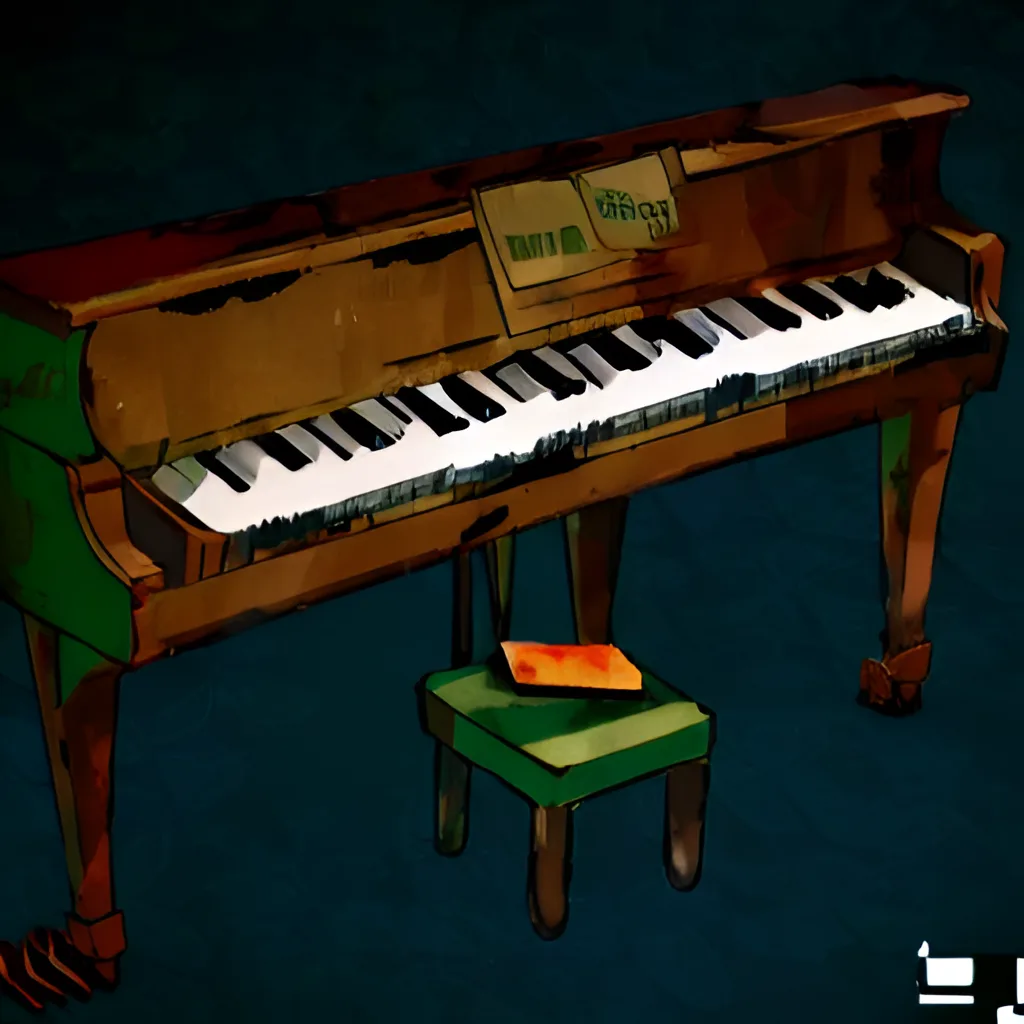
A second-hand acoustic piano can offer real value, giving learners a full-sized instrument with a natural touch and rich sound. But pianos are complex machines with thousands of parts, and age, climate and care all affect their condition. A piano that looks beautiful can have hidden problems that are costly to fix. Knowing what to check, and when to call in a qualified technician, helps you avoid disappointment and find an instrument that will support years of playing.
Start with your needs
Before viewing any piano, decide what you need. Consider the space available, whether the piano will need to go up stairs, and who will play it. An upright suits most homes; a grand needs much more room. Think about your budget, including transport, tuning and possible repairs, not just the purchase price.
A visual inspection
Open the lid and the front panels, if the seller allows, and look carefully.
- soundboard: the large wooden panel behind the strings; look for cracks, though small ones are common and not always serious
- bridges: the wooden strips that the strings cross; cracks here are more concerning
- strings: check for heavy rust, especially in the bass
- tuning pins: the metal pins where strings are wound; they should look evenly set, not hammered in deeply
- hammers: the felt heads that strike the strings; deep grooves suggest heavy wear
- case and keys: look for moth damage in the felts, missing key tops and loose or sticking keys
Take photos to review later or show a technician.
You've read 27% of this article
Log in for free to read the remaining 73%
- Free to use
- No credit card needed
Plus, try Premium free for 7 days in the TIGA ALPHA app.
Continue with Google Sign up free Already a member? Log in
Play every key
Play each key from the lowest to the highest, softly and then firmly. Listen for keys that do not sound, buzz, rattle or keep ringing after release. Check that each key returns smoothly. Play repeated notes quickly to see whether the action responds. Try the pedals: the right pedal should lift all dampers evenly, and the left should soften the sound.
Tuning and pitch
Ask when the piano was last tuned. A piano that has not been tuned for many years may be well below standard pitch, and raising it can take several visits. If the tuning pins are loose, the piano may not hold its tuning at all, which is a serious problem. A technician can check this with a tuning hammer in minutes.
Questions to ask the seller
History
How old is the piano, how long have they owned it, and where has it been kept?
Maintenance
When was it last tuned and serviced? Are there any records?
Environment
Has it been near a window, heater or air conditioner? Stable conditions help a piano last.
Moving
Is the seller including transport, and how will the piano be moved safely?
Why a technician's opinion matters
Even with a careful inspection, many issues are hard for non-specialists to judge, such as the condition of the pin block or the regulation of the action. Paying a qualified technician to inspect a piano before buying is usually a small cost compared with possible repairs. Ask for a written summary of the piano's condition and an estimate of any work needed.
Moving and settling in
Pianos should be moved by experienced movers with proper equipment. After moving, let the piano settle in its new home for a couple of weeks before tuning, since changes in temperature and humidity affect the pitch. Place it away from direct sunlight, air vents and outer walls where possible.
Digital or acoustic
For some learners, a digital piano is a practical choice, especially in small spaces or for practising with headphones. For others, an acoustic piano's touch and resonance are worth the extra care. Both can support good progress. Learners using TIGA ALPHA can practise on either, though the app's detailed feedback works most directly with digital instruments.
FAQ
Q: Is a cracked soundboard a deal-breaker?
A: Not always. Small cracks are common, but a technician should judge whether the piano's tone and structure are affected.
Q: How do I know if a piano holds its tuning?
A: Ask about tuning history and have a technician check the tightness of the tuning pins.
Q: Should I buy a very old piano?
A: Age alone is not the issue; condition is. Some older pianos are excellent, while others need major restoration.
Q: Can I move a piano myself?
A: It is safer to use experienced piano movers, since pianos are heavy and easily damaged.
Get started with TIGA ALPHA
TIGA ALPHA is an AI piano teaching app built by a Thai team, with lessons in 10 languages: Thai, English, Mandarin, Arabic, Japanese, Russian, Spanish, French, Hindi and Korean. Its CEO, Teacher Aum, has 20 years of experience in piano teaching, and that music teaching background shapes every lesson, while piano teaching with AI gives you feedback each time you play piano. Use it as an online piano lessons app for short daily sessions, follow it as a complete AI online piano course, or combine it with a piano course or piano learning course led by a teacher. Whether you want to learn piano from zero, learn piano online after a long break, learn music alongside your children or simply play music for fun, this online piano teaching application keeps your next step clear. New users get a 7-day free Premium trial, then US$24.99/month. Open the piano teaching app below and pick a first lesson that fits your week.
- Download and start: TIGA ALPHA landing page
- In-person lessons in Thailand: TIGA Studio
- About the company: tigaalpha.com
The right second-hand piano is one that has been checked with patience: a little time spent inspecting now saves a great deal of frustration later.