The Cadenza: A Soloist's Moment of Freedom in a Concerto
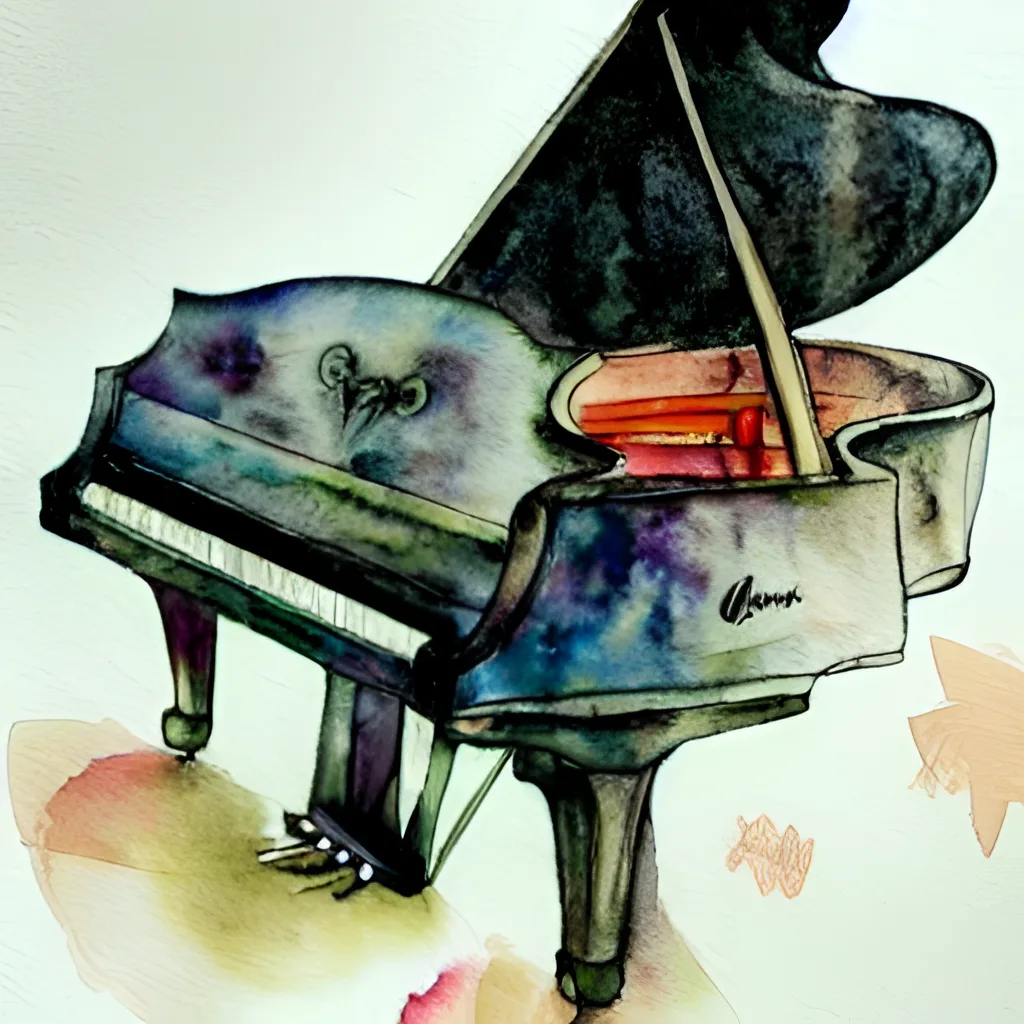
In the middle of a concerto, there is often a moment when the orchestra pauses on a dramatic chord and falls silent. The soloist then plays alone, sometimes for a minute, sometimes for several, moving through themes from the movement with brilliant runs, surprising harmonies and expressive pauses. This passage is the cadenza. It is one of the most exciting parts of a concert, because it feels spontaneous, personal and slightly risky, even when every note has been prepared. Understanding cadenzas adds a new layer to listening and gives pianists a window into improvisation and musical architecture.
From decorated cadence to solo section
The word cadenza is Italian for cadence, the harmonic progression that closes a phrase. In the eighteenth century, singers and instrumentalists decorated important cadences with improvised flourishes. Over time these decorations grew longer, until they became independent sections placed just before the final cadence of a movement. The orchestra stops on a chord, usually a tonic six-four chord marked with a pause, and resumes only when the soloist arrives at a trill that signals the return.
Improvised or written out
In the Classical period, performers were expected to improvise their own cadenzas or prepare them in advance. Composers sometimes wrote cadenzas for students or for publication, and many of these survive. From the early nineteenth century onward, composers increasingly wrote cadenzas into the score themselves, partly to control the music and partly because fewer performers were trained to improvise in the style.
Today, pianists performing older concertos face a choice:
- play a cadenza written by the composer, if one exists
- choose one written by a later pianist or composer
- write or improvise a new one in a suitable style
You've read 30% of this article
Log in for free to read the remaining 70%
- Free to use
- No credit card needed
Plus, try Premium free for 7 days in the TIGA ALPHA app.
Continue with Google Sign up free Already a member? Log inEach option says something about the performer's approach, and listeners who know a concerto well often enjoy hearing which version is chosen.
How a cadenza is built
Although cadenzas sound free, they usually follow a logic.
Opening gesture
A cadenza often begins with a flourish or a strong chord that announces the soloist's moment.
Thematic material
The main themes of the movement return, sometimes in new keys, fragmented, or combined in unexpected ways.
Harmonic journey
The cadenza wanders through related keys and builds tension, avoiding the home key until near the end.
Virtuosic display
Runs, arpeggios, octaves and trills show off the soloist's technique, but well-crafted cadenzas use them to serve the music rather than for show alone.
The return
A long trill on the dominant chord tells the orchestra to prepare, and the ensemble re-enters to close the movement.

Listening for the cadenza
When you listen to a concerto, watch for the moment the orchestra holds a big chord and stops. The soloist's next notes often sound freer in tempo, with pauses and rubato. Try to recognise the themes you heard earlier and notice how they are transformed. When you hear an extended trill, listen for the orchestra's return. Comparing recordings by different pianists of the same concerto can be fascinating, because the cadenza is where interpretations differ most.
Writing your own short cadenza
Cadenzas are not only for concert soloists. Students can try writing a short one for a simple piece, such as a sonatina movement. Choose one theme, play it in a different register, add a scale run that rises to a high note, pause, and then descend to a trill on the dominant that leads back to the ending. This exercise teaches phrase structure, harmony and how to create anticipation. It also builds the confidence to improvise.
Learners using TIGA ALPHA can record several versions of a short cadenza and listen back, choosing the one with the clearest shape before writing it down.
Cadenzas beyond the concerto
The idea of a free solo passage appears in many styles. Jazz musicians play unaccompanied introductions and endings that work like cadenzas. Film and game composers write cadenza-like passages for piano to create a sense of a character's inner voice. Even pop ballads sometimes include a rubato piano introduction before the band enters.
FAQ
Q: Is a cadenza always improvised?
A: No. Many cadenzas today are written out, though some performers still improvise or compose their own.
Q: How do I know a cadenza is ending?
A: Listen for a long trill on the dominant, which signals the orchestra to re-enter.
Q: Where does a cadenza appear in a concerto?
A: Usually near the end of a movement, often the first, just before the final orchestral section.
Q: Can students write cadenzas?
A: Yes. Writing a short cadenza for a simple piece is a valuable exercise in phrasing and harmony.
Get started with TIGA ALPHA
TIGA ALPHA is an AI piano teaching app built by a Thai team, with lessons in 10 languages: Thai, English, Mandarin, Arabic, Japanese, Russian, Spanish, French, Hindi and Korean. Its CEO, Teacher Aum, has 20 years of experience in piano teaching, and that music teaching background shapes every lesson, while piano teaching with AI gives you feedback each time you play piano. Use it as an online piano lessons app for short daily sessions, follow it as a complete AI online piano course, or combine it with a piano course or piano learning course led by a teacher. Whether you want to learn piano from zero, learn piano online after a long break, learn music alongside your children or simply play music for fun, this online piano teaching application keeps your next step clear. New users get a 7-day free Premium trial, then US$24.99/month. Open the piano teaching app below and pick a first lesson that fits your week.
- Download and start: TIGA ALPHA landing page
- In-person lessons in Thailand: TIGA Studio
- About the company: tigaalpha.com
A cadenza is the moment a concerto holds its breath, and knowing how it works lets you hear the conversation between freedom and form.