Let Your Child Decide the Order of Practice Tasks

When children practise the piano, a parent or teacher often arranges everything: scales first, then studies, and finally the piece. The child just follows along, and over time may come to feel that practising is something that is "arranged for" them. A small change is to let the child, once the tasks are fixed, decide for themselves which to practise first and which later. The content of the tasks stays the same; only the order is up to the child. This can give the child a little sense of control, and their motivation to practise may rise as a result.
- The content of practice is set by the teacher
- The order is chosen by the child
- Use cards to make the choice more visual
- Parents observe but do not insist on interfering
Warm-Up Is Still Needed
If a child chooses to start with a difficult piece, their fingers may not have warmed up yet.
Listen
You can agree with your child that, whatever the order, they begin with a short warm-up.
After the warm-up, practise in the order the child has chosen.
Not Every Child Is Suited to It
Some children hesitate for a long time when faced with choices, and end up wasting time.
For such children, you can give just two options, for example whether to play scales first or the piece first.
Adjust the range of choices to the child's personality.
Children May Choose Their Favourites First
Children will often choose the pieces they like first and leave those they do not like for later.
That is fine. Playing what they like first helps them start practice in a good mood.
But make sure the later items can also be completed.
Choice Has Boundaries Too
Letting children choose does not mean letting them decide everything.
The content of practice and the basic amount of time still need to be managed by adults and the teacher.
Clear boundaries let children make choices within a safe range.
Summary of Letting Children Choose the Order
When everything in a child's practice is arranged by adults, it can feel as if it is being arranged for them. Letting the child decide the order once the content is fixed brings a sense of control, and cards can make the choice more visual.
You've read 32% of this article
Log in for free to read the remaining 68%
- Free to use
- No credit card needed
Plus, try Premium free for 7 days in the TIGA ALPHA app.
Continue with Google Sign up free Already a member? Log inA child may choose favourites first, or the hard things first and the easy ones later, but there should still be a short warm-up at the start. Parents mainly observe and keep company, and as children grow older you can give more choices, but the choices need boundaries.
Praise the child's plan and initiative when they finish; you can talk with Teacher Aum and ask the teacher to write the homework clearly; and for a child who hesitates over choices, give only two options.
Giving Children More Choices
As children grow older, you can gradually give them more choices.
For example, from the few pieces the teacher has given, they can choose one they want to learn first.
Or they can decide for themselves how many times to repeat a certain exercise.
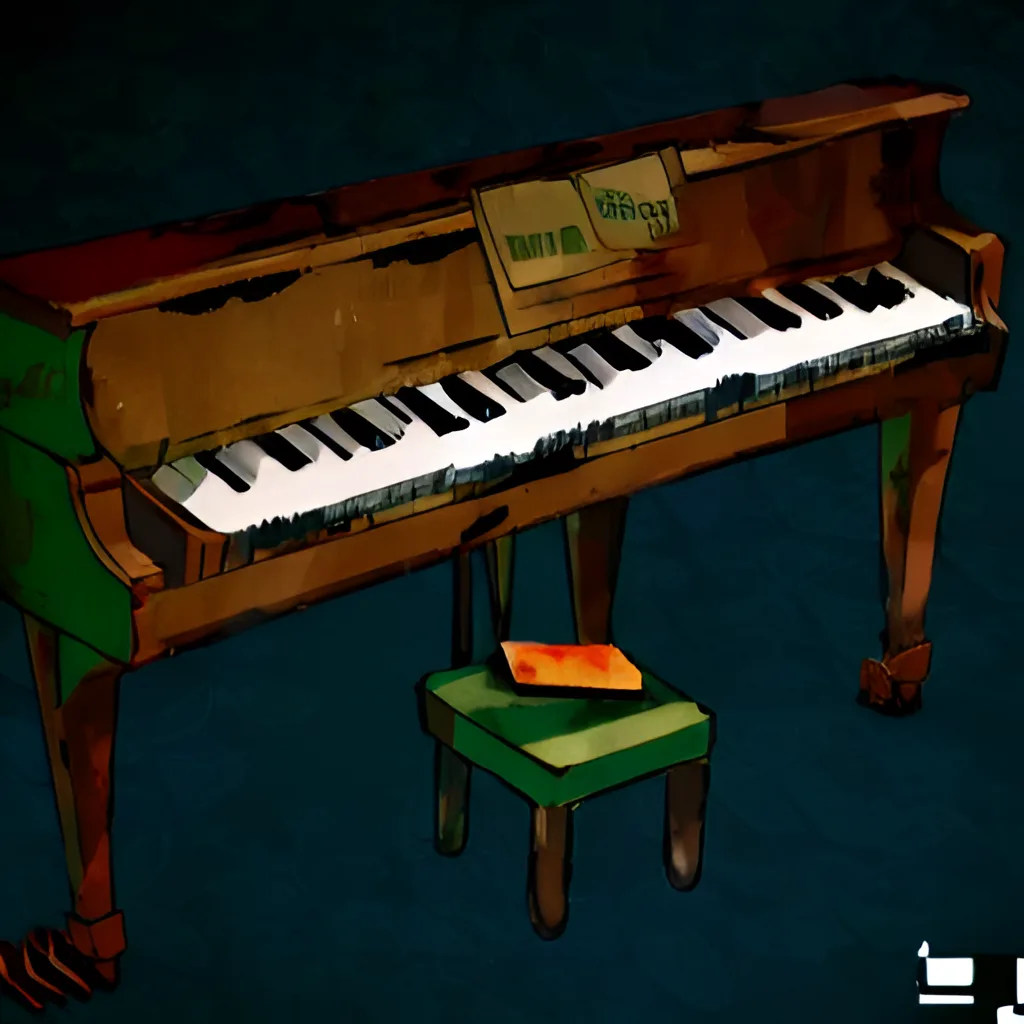
The Parent's Place While the Child Chooses the Order
In this process, the parent mainly observes and keeps the child company.
Do not change the order straight away just because you think the child's choice is not sensible.
If you find that a certain order always leaves some item unfinished, you can discuss it with your child and adjust it.
The Sense of Control That Choice Brings
When children can make some choices, they feel the matter has something to do with them.
Even just deciding which item to practise first gives the child a little sense of control.
This feeling may make the child more willing to sit down at the piano.
Telling the Teacher About the Order
Parents can tell Teacher Aum about this method and ask the teacher to write the content clearly when setting homework.
The teacher can also ask the child in the lesson what order they practised in this week and how it felt.
When the teacher, parent and child work together, the results are better.
The Hard Things First Works Too
Some children find that once the difficult thing is done, the rest feels easy.
Parents can chat with the child about how different orders feel, but should not force the child to choose one.
Let the child find out for themselves and gradually discover what suits them.
Using Cards to Make the Choice Visual
You can write each practice item on a card, or draw it as a simple picture.
Before practising, let the child arrange the cards in the order they want.
The child then completes the items one by one in the order laid out, turning each card over when it is done.
The Content Stays, the Order Is Optional
The premise of this method is that the content of practice is set by the teacher and cannot be left out.
For example, if this week's work is scales, one study and one piece, all three must be completed.
What the child can choose is which to practise first and which later.
The Feeling of Being Arranged For
Many children find that everything about their practice is arranged by adults.
They have no say in what to practise, what to do first or how long to spend.
This feeling of being arranged for may make children feel that practising is a task rather than something of their own.
Praising the Child's Plan
When the child completes all the practice in the order they arranged, you can praise them for making a good plan.
The emphasis of the praise is on the child's initiative and on finishing, not only on how well they played.
This encourages the child to keep organising their own practice.
FAQ
Q: What can the child choose?
A: The order of the practice tasks.
Q: Who decides the content of practice?
A: The teacher.
Q: How can the choice be made more visual?
A: Write each item on a card and let the child arrange them.
Q: What should be done at the start?
A: A short warm-up.
Q: What about a child who hesitates?
A: Give only two options.
Start practising with TIGA ALPHA
TIGA ALPHA is an AI piano teaching app built by a team in Thailand. The app is available in 10 languages: Thai, English, Chinese, Arabic, Japanese, Russian, Spanish, French, Hindi and Korean. Its CEO, Teacher Aum, has 20 years of experience teaching piano, and that teaching background shapes every lesson. When you play, the app listens and tells you which notes or beats to practise next, so the feedback is specific rather than generic. Use it as an online piano lessons app for short daily sessions, follow it as a complete online piano course, or combine it with lessons from a teacher. Whether you are starting from scratch, coming back after a long break, learning music alongside your children or simply playing for fun, your next step stays clear. New users get a 7-day free Premium trial, then US$24.99 per month.
- Download and start: TIGA ALPHA
- In-person lessons in Thailand: TIGA Studio
- About the company: tigaalpha.com