Choosing a Digital Piano for a Small Room: What to Consider
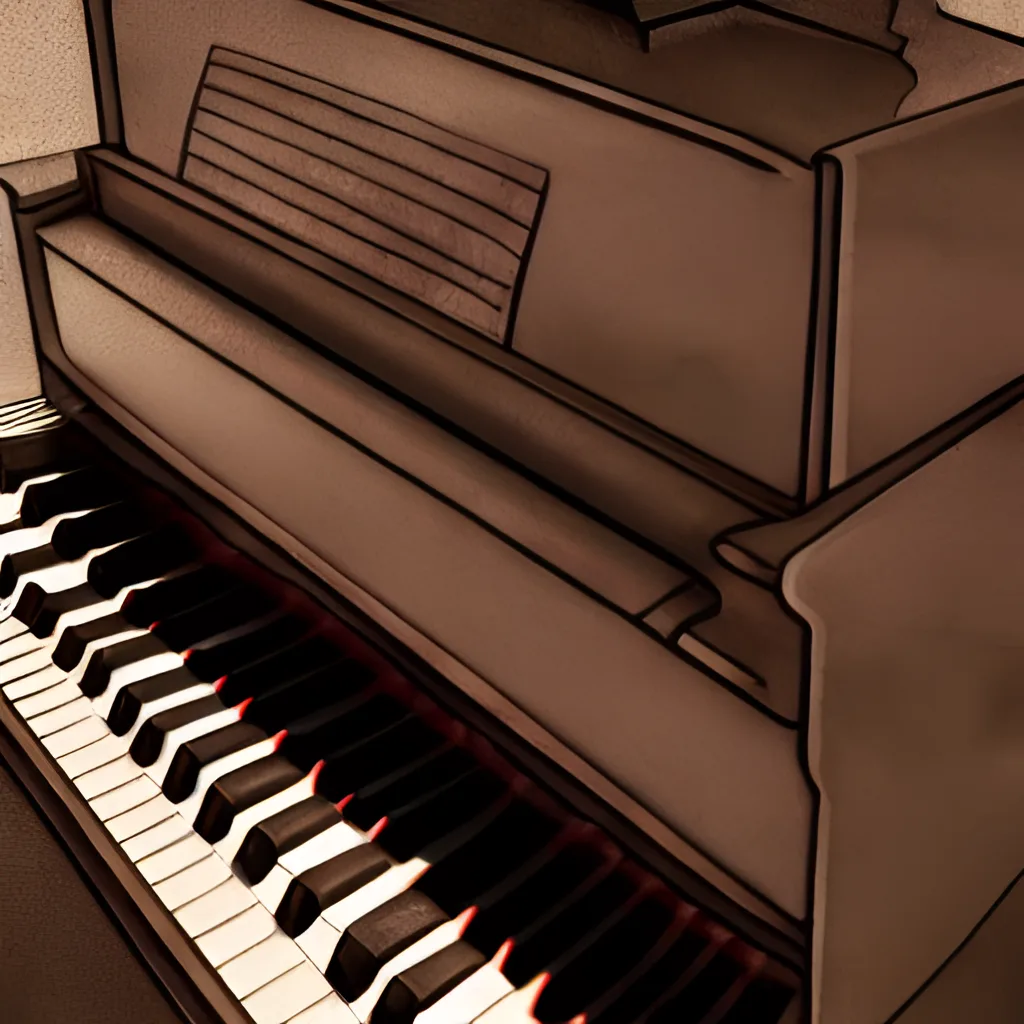
When choosing a digital piano for a small room or a dorm, there are several things to think about: whether it has a full 88 keys, whether the keys have a weighted feel close to a real piano, whether it has a headphone jack, whether its size and weight suit your room, and what type of pedal it has. Choose according to your learning goals and budget, and try a few instruments before deciding. That is more reliable than looking at specifications alone.
How the keys feel
Digital piano keys feel different from one model to the next. Some are very light, while others imitate an acoustic piano with some weight to the keys: heavier in the bass, lighter in the treble.
Before you get started
If you are buying for learning, choose keys that are weighted and feel close to an acoustic piano. That makes it easier to adapt when you play an acoustic piano later.
You can visit a music shop and try a few instruments to compare how the keys feel.
Sound and speakers
Different digital pianos sound different, so when you try them, listen to whether the piano tone sounds natural.
In a small room the speakers do not need to be loud, but the sound should be clear.
You can also listen through headphones, because in a small room you will often practise with them on.

How many keys?
A standard piano has 88 keys, and many digital pianos have 88 keys too.
If you plan to study piano for a long time, an 88-key digital piano means you won't be limited when you play more pieces later.
Keyboards with fewer keys are smaller, which suits people with very limited space or those who just want to play casually.
The headphone jack
In a small room or a dorm, a headphone jack is very important, because it lets you practise without disturbing anyone.
You've read 29% of this article
Log in for free to read the remaining 71%
- Free to use
- No credit card needed
Plus, try Premium free for 7 days in the TIGA ALPHA app.
Continue with Google Sign up free Already a member? Log inCheck what type of headphone jack the digital piano has, and whether it can take two pairs of headphones at once, which is handy for playing with a teacher or a friend.
You can also look for a connection to a computer or phone, which makes it easy to record or to use learning apps.
Size and weight
Before you buy, measure the spot in your room where the digital piano will go, and make sure the length, width and height all fit.
Some digital pianos come with a fixed wooden stand, which is more stable but harder to move. Others sit on a folding stand that is easy to store.
If you often need to move it, for example when you change dorms, consider a lighter model that is easy to assemble and take apart.
Try it before you decide
Specifications only tell you part of the story. You have to try an instrument yourself to feel the touch and hear the sound.
You can bring a piece you are currently learning and play it on different digital pianos to see which one suits your hands best.
If you have a teacher, you can also ask for their advice.
Practical tips for everyday use
Once your digital piano is set up, avoid direct sunlight and damp places, and keep it clean.
When you practise with headphones, take them off from time to time to rest your ears.
If you can, play an acoustic piano now and then to feel the difference between the two.
Why digital pianos are popular for small rooms
In a small room, a dorm or an apartment, an acoustic piano may be too big and too heavy, and its sound may disturb the neighbours.
A digital piano is relatively compact, its volume can be adjusted, and you can use headphones, so it makes fewer demands on space and surroundings.
For students and adults who are just starting to learn, a digital piano is a very common choice.
Something to think about
- Consider the number of keys and the weighted feel of the keys
- Make sure there is a headphone jack
- Choose a size that fits your room
- Try it before you decide
Types of pedals
Digital piano pedals come in different types. Some are simple on/off switches, while others can sense how far down you press.
Some digital pianos have only a single sustain pedal, while others have three pedals, like an acoustic piano.
If you plan to study for a long time, you can choose a model whose pedals are closer to those of an acoustic piano.
Choosing within your budget
Digital piano prices vary a lot, so you can choose according to your budget and learning goals.
You don't have to buy an expensive one. What matters is that it meets your learning needs.
You can also consider a second-hand digital piano, but check carefully that the keys, pedals and ports all work properly.
Frequently asked questions
Q: Do I have to buy an 88-key piano?
A: If you are learning piano for the long term, we recommend 88 keys.
Q: Are weighted keys important?
A: For learning piano, weighted keys feel closer to an acoustic piano.
Q: Can I use a digital piano in a dorm?
A: Yes. Using headphones usually won't disturb your roommates.
Q: Can I buy a second-hand digital piano?
A: Yes, but check the keys, pedals and ports carefully.
Q: Do I need three pedals?
A: In the beginning, a single sustain pedal is usually enough. For long-term study you can consider three pedals.
Q: Can a digital piano record?
A: Many digital pianos have a port that lets you connect to a computer or phone to record.
Start practising with TIGA ALPHA
TIGA ALPHA is an AI piano teaching app built by a team in Thailand. The app is available in 10 languages: Thai, English, Chinese, Arabic, Japanese, Russian, Spanish, French, Hindi and Korean. Its CEO, Teacher Aum, has 20 years of experience teaching piano, and that teaching background shapes every lesson. When you play, the app listens and tells you which notes or beats to practise next, so the feedback is specific rather than generic. Use it as an online piano lessons app for short daily sessions, follow it as a complete online piano course, or combine it with lessons from a teacher. Whether you are starting from scratch, coming back after a long break, learning music alongside your children or simply playing for fun, your next step stays clear. New users get a 7-day free Premium trial, then US$24.99 per month.
- Download and start: TIGA ALPHA
- In-person lessons in Thailand: TIGA Studio
- About the company: tigaalpha.com