Ear Training for Beginners: High and Low First, Then Long and Short
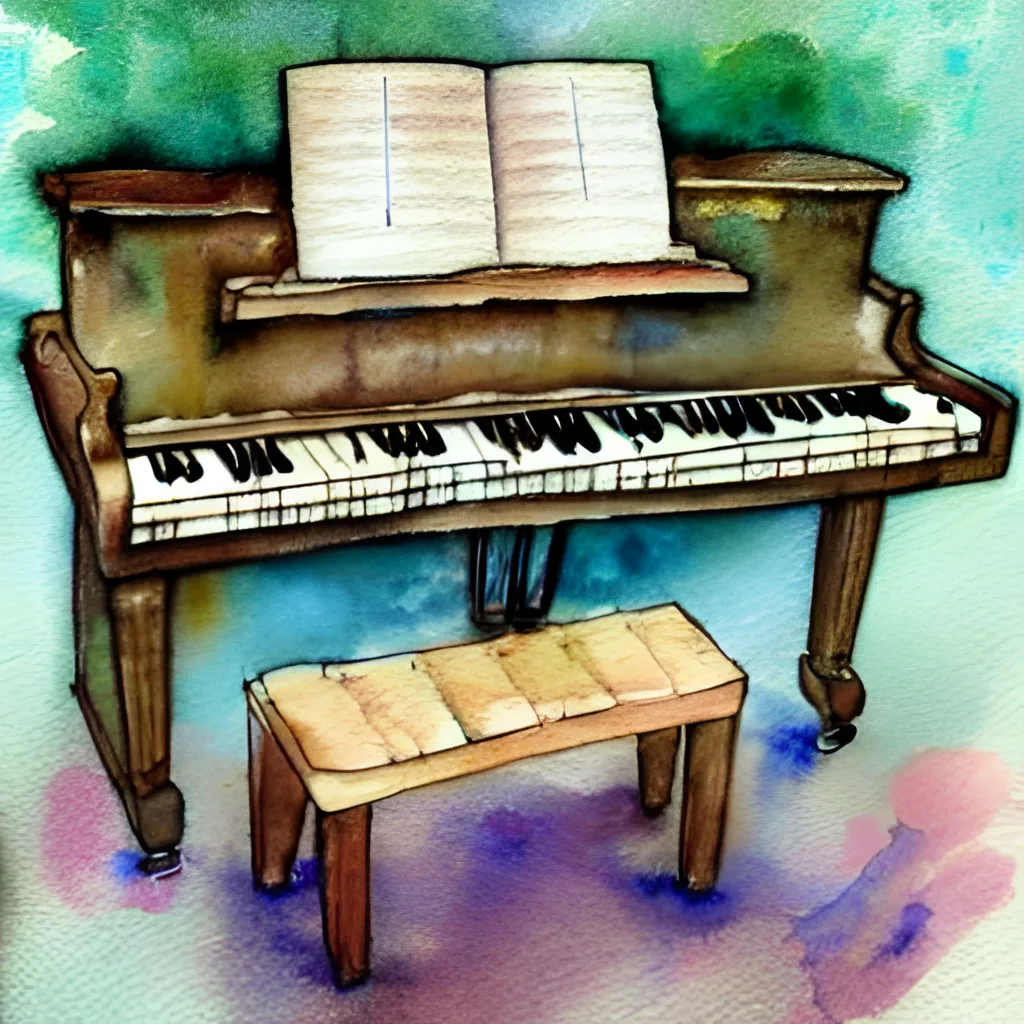
Learning the piano is not only about training your fingers; you need to train your ears too. Ear training means telling sounds apart by listening: high or low, long or short, loud or soft. For beginners there is no need to start with anything complicated. Begin with the simplest ideas, "high and low" and "long and short", and a few minutes a day will slowly build up your sensitivity to sound. This article introduces a few simple games suitable for children and adults.
Why train your ears?
The ear is the way in to music. If your ear can tell which note is higher and which is longer, your fingers have more direction when they look for a position on the keyboard. Many people learning the piano find that once they can hear clearly, reading music and playing both become easier.
- If you can hear high and low, you find notes faster.
- If you can hear long and short, your rhythm is steadier.
- If you can hear loud and soft, your playing has more layers.
Step one: telling high from low
Comparing two notes
Ask someone at home to play two different notes on the piano, and you say which is higher. At the start, make the two notes far apart, for example one on the left and one on the right, and bring them gradually closer as you get used to it.
Let your body help
When you hear a high note, slowly raise your hand; when you hear a low note, slowly lower it. The movement of the body helps the brain remember the direction of the sound.
Swap roles
Let the child play and the parent guess. The child will feel more of a sense of achievement and listen more attentively.
Step two: telling long from short
Play one note and let it ring for a long time, then play a very short note, and ask the student to tell them apart. You can imitate them by clapping: for a long note, slowly draw your hands apart; for a short note, clap once. You can also use words, saying "long" as "aaah" and "short" as "ta".
- First listen to two notes and decide which is longer.
- Then listen to three notes and decide which is the shortest.
- Finally, let the student play one long note and one short note by themselves.
You've read 31% of this article
Log in for free to read the remaining 69%
- Free to use
- No credit card needed
Plus, try Premium free for 7 days in the TIGA ALPHA app.
Continue with Google Sign up free Already a member? Log inStep three: play what you hear
Choose three notes, starting with "do", "re" and "mi", and let the student listen and then try to find them on the piano. It does not matter if they cannot find them. Listen a few more times, or ask the teacher for a hint, such as "the first note is just left of the two black keys". Practise for only a few minutes at a time, and finish with one specific word of encouragement, for example "You heard that the second note went up."
When playing listening games with a child
- Do not require the child to be right the first time; a wrong answer is part of learning too.
- Keep a relaxed tone, and do not turn listening into an exam.
- If the child feels bored, switch to another game, or take a break.
Small exercises in daily life
Ear training does not have to happen at the piano. When you hear a car horn on the road, you can guess whether it is high or low; when you hear a doorbell, you can wonder how many notes it is made of. Turn everyday sounds into little games, and your ears will become more sensitive without your noticing. Do this only where it is safe, and stay aware of your surroundings.
Practising with an app
Some students use an AI piano teaching app such as TIGA ALPHA to check at home whether the notes they play match what was asked. It listens to pitch and beat and then suggests the next practice step, helping students connect what the ear hears with what the fingers play. Of course, the teacher's demonstration and your own feeling remain the core, and the app is only an aid.
A small secret for sticking with it
Choose a fixed time, for example five minutes after dinner. Write the practice on a calendar and draw a small mark when you have done it. After a few weeks, look back at the marks along the way and you will find that you have in fact come a long way. Progress in listening builds up slowly, every person's ears grow at a different speed, and it is quite normal not to hear accurately one day. Just try again, relaxed, the next day.
Listening to loud and soft: a third little game
Once high and low and long and short are fairly familiar, you can add a game of "loud and soft". Play a very soft note, then a louder one, and ask the student to say which is louder. You can show it with the body: for a soft note, slowly bring your palms together; for a loud note, open your arms. Take care not to strike too hard, so as not to hurt your hands, and not to disturb the neighbours. Practising loud and soft makes students begin to notice the "expression" in music, which helps a great deal later in playing pieces with layers.
A ten-minute plan
Spend the first two minutes on the high and low game, then three minutes on the long and short game, three more minutes listening to loud and soft, and finally two minutes of free playing of notes you like. Each part is very short, so the child is unlikely to get bored. At the end say something specific, such as "Today you heard three long notes", so that the child leaves the piano with a small sense of achievement.
FAQ
Q: Can I train my ear without perfect pitch?
A: Yes. Ear training is mainly about learning to tell the relationships between sounds, and most people can improve with practice.
Q: At what age can a child start?
A: As long as the child is willing to listen and to play, you can start in the form of games.
Q: How long a day is right?
A: A few minutes are enough. The point is to do a little every day.
Q: Do I need to buy special teaching materials?
A: Not necessarily. The piano at home, voices and everyday sounds can all be used for practice.
Start practising with TIGA ALPHA
TIGA ALPHA is an AI piano teaching app built by a team in Thailand. The app is available in 10 languages: Thai, English, Chinese, Arabic, Japanese, Russian, Spanish, French, Hindi and Korean. Its CEO, Teacher Aum, has 20 years of experience teaching piano, and that teaching background shapes every lesson. When you play, the app listens and tells you which notes or beats to practise next, so the feedback is specific rather than generic. Use it as an online piano lessons app for short daily sessions, follow it as a complete online piano course, or combine it with lessons from a teacher. Whether you are starting from scratch, coming back after a long break, learning music alongside your children or simply playing for fun, your next step stays clear. New users get a 7-day free Premium trial, then US$24.99 per month.
- Download and start: TIGA ALPHA
- In-person lessons in Thailand: TIGA Studio
- About the company: tigaalpha.com
Once your ears know the sound, your fingers follow more easily.