Echo Dynamics: Play a Phrase Loud, Then Soft When It Repeats

In many Baroque and Classical pieces you will meet this kind of writing: a short phrase is played once, and straight afterwards it is played again exactly or almost exactly the same. A common way to handle it is to play the first time louder and the second time softer, like an echo in a valley. In his French Overture, published in 1735, Bach even named the final movement "Echo". Learning this echo-style dynamic keeps repeated phrases from sounding monotonous.
Make the Contrast Clear
The echo effect comes from a clear contrast between loud and soft.
If the difference between the first and second playing is too small, the listener cannot hear an echo.
You can exaggerate the contrast at first, then slowly adjust it to a suitable level.
Echoes in the Baroque Period
In the Baroque period, the volume of many keyboard instruments could not change subtly with the weight of the fingers.
The harpsichord, for example, sometimes has two keyboards, one with a stronger sound and one with a weaker sound.
The player can switch between the two keyboards to create an echo effect with a sharp loud-soft contrast.
Not Every Repeat Should Be Played Softly
Not every repeat suits the echo treatment.
Sometimes a repetition is for emphasis, and the second time should actually be stronger.
You can decide from the position of the phrase and the mood of the piece, or try several treatments and compare them.
The Tone Colour of an Echo
An echo is not only a drop in volume; the tone colour can change too.
The second time can be played more softly and roundly, as if from a distance.
Sometimes you can also reduce the accents slightly, to make the echo lighter.
Asking Your Teacher to Judge Echoes in Lessons
In lessons you can ask Teacher Aum to help judge which repeated phrases in a piece suit the echo treatment.
The piano has only one keyboard, so how the two "voices", loud and soft, are made with the fingers is often clear after seeing the teacher demonstrate it once.
Once you have learned echo dynamics, the music will have more layers and more interest.
You've read 29% of this article
Log in for free to read the remaining 71%
- Free to use
- No credit card needed
Plus, try Premium free for 7 days in the TIGA ALPHA app.
Continue with Google Sign up free Already a member? Log inA Little Echo Game to Practise
You can play a little echo game with family or friends: one person plays a short phrase and the other repeats it at a softer dynamic.
This game helps you practise controlling dynamics, and it is fun too.
You can also do the "echo" by yourself, with your left and right hands taking turns.
Echoes in the Classical Period
In some works by Haydn and Mozart you can also often find echo-like writing.
A short motif appears first loud and then soft, adding humour and a sense of conversation to the music.
This kind of writing is common in Classical-period sonatas and minuets.
How to Express It on the Piano
The piano has only one keyboard, but you can control volume through the weight of your fingers.
When playing an echo, the second time must be clearly softer; you can keep your fingers closer to the keys and make smaller movements.
You can also imagine the sound arriving from far away, with a slightly hazy feeling.
How to Find the Places for an Echo
In the score, an echo is often a short phrase followed immediately by its repeat, usually one or two bars long.
Sometimes the score marks loud and soft, and sometimes it has no markings at all and the player has to decide.
If a short phrase is repeated twice exactly, you can consider the echo treatment.
Checking the Echo Effect with a Recording
When practising, you can record the echo passage and listen back carefully to see whether the loud-soft contrast is clear.
Sometimes while playing you feel the contrast is large, but on the recording the difference is not obvious.
Adjust according to the recording, so that the echo effect is clearer.
- When a short phrase repeats, play the second time softly
- Like an echo in a valley
- The last movement of Bach's 1735 French Overture is called "Echo"
- Stop repeats from sounding monotonous
Summary of Echo Dynamics
Echo dynamics means using a clearly softer dynamic when a short phrase repeats, with a clear, direct loud-soft contrast. Some Baroque harpsichords have two keyboards that can be switched to make an echo effect, and the last movement of Bach's French Overture, published in 1735, is called "Echo".
On the piano you can express an echo through the weight of your fingers. An echo is often a one- or two-bar short phrase repeated exactly, but not every repeat should be played softly. The tone colour of an echo can be softer, the loud-soft contrast should be clear, and after the echo you should return crisply to the original dynamic. Similar writing also appears in the works of Haydn and Mozart.
You can check with a recording, play the echo game with family, and ask Teacher Aum to judge which places suit an echo.
Bach's French Overture
In 1735, Bach published the second part of his Clavier-Übung, which includes the Italian Concerto and the French Overture.
The last movement of the French Overture is called "Echo".
The score is marked with loud and soft signs, and the alternation is to be expressed with two keyboards.
Returning to the Original Dynamic After the Echo
After the echo, the music usually returns to its original dynamic and carries on with the next phrase.
This change should be crisp; do not let the soft dynamic drag on too long.
You can prepare the dynamic of the next phrase in advance, at the point where the echo ends.
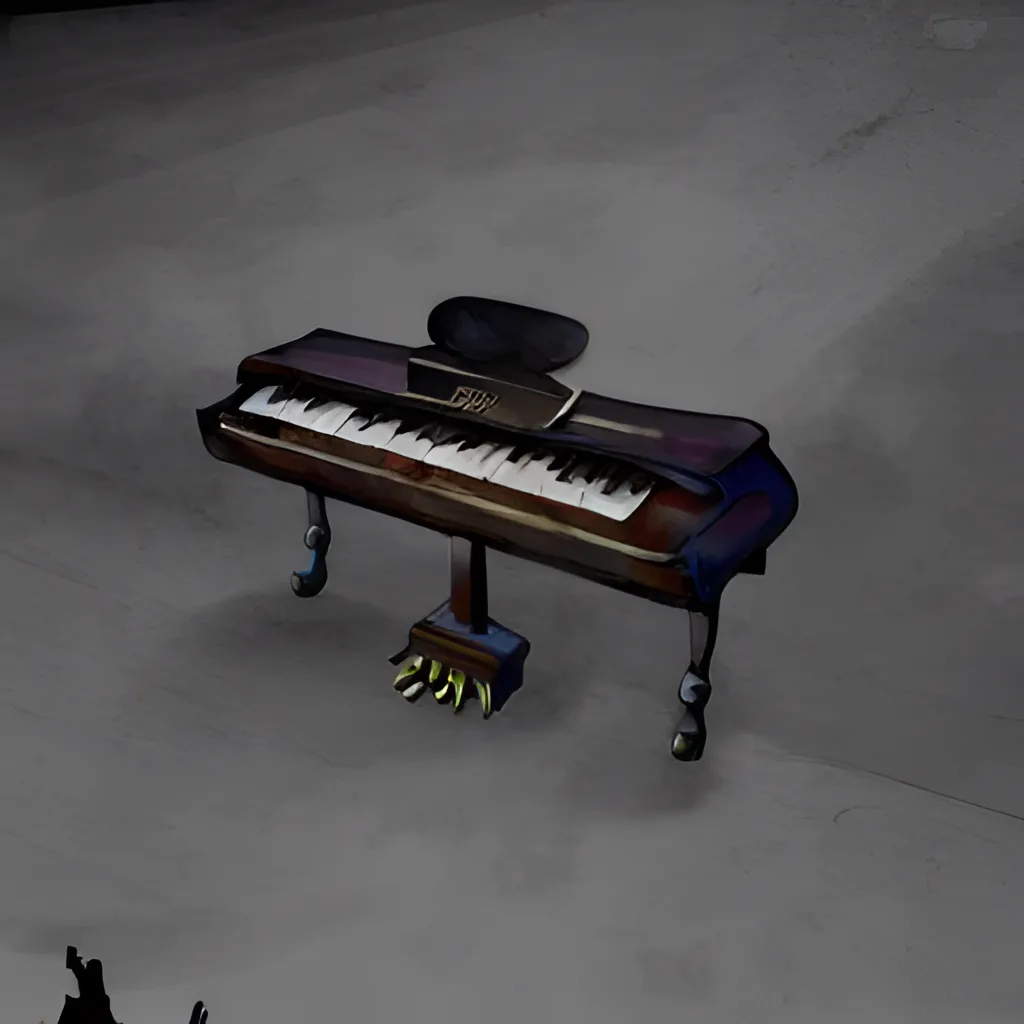
What Is Echo Dynamics
Echo dynamics means that after a phrase is played once, it is repeated at a clearly softer dynamic.
The first time is like speaking, and the second time is like an echo coming back from far away.
Practice order
This loud-soft contrast is clear and direct; it is not a slow decrescendo.
FAQ
Q: What are echo dynamics like?
A: When a short phrase repeats, the second time is played clearly softer.
Q: Which work by Bach has a final movement called "Echo"?
A: The French Overture, published in 1735.
Q: How does a harpsichord make an echo?
A: By switching between two keyboards.
Q: Must every repeat be played softly?
A: No, sometimes the second time should be stronger.
Q: What should you do after the echo?
A: Return crisply to the original dynamic.
Start Practising with TIGA ALPHA
TIGA ALPHA is an AI piano teaching app built by a team in Thailand. The app is available in 10 languages: Thai, English, Chinese, Arabic, Japanese, Russian, Spanish, French, Hindi and Korean. Its CEO, Teacher Aum, has 20 years of experience teaching piano, and that teaching background shapes every lesson. When you play, the app listens and tells you which notes or beats to practise next, so the feedback is specific rather than generic. Use it as an online piano lessons app for short daily sessions, follow it as a complete online piano course, or combine it with lessons from a teacher. Whether you are starting from scratch, coming back after a long break, learning music alongside your children or simply playing for fun, your next step stays clear. New users get a 7-day free Premium trial, then US$24.99 per month.
- Download and start: TIGA ALPHA
- In-person lessons in Thailand: TIGA Studio
- About the company: tigaalpha.com