The Electric Piano: How Tines and Reeds Make Its Tone
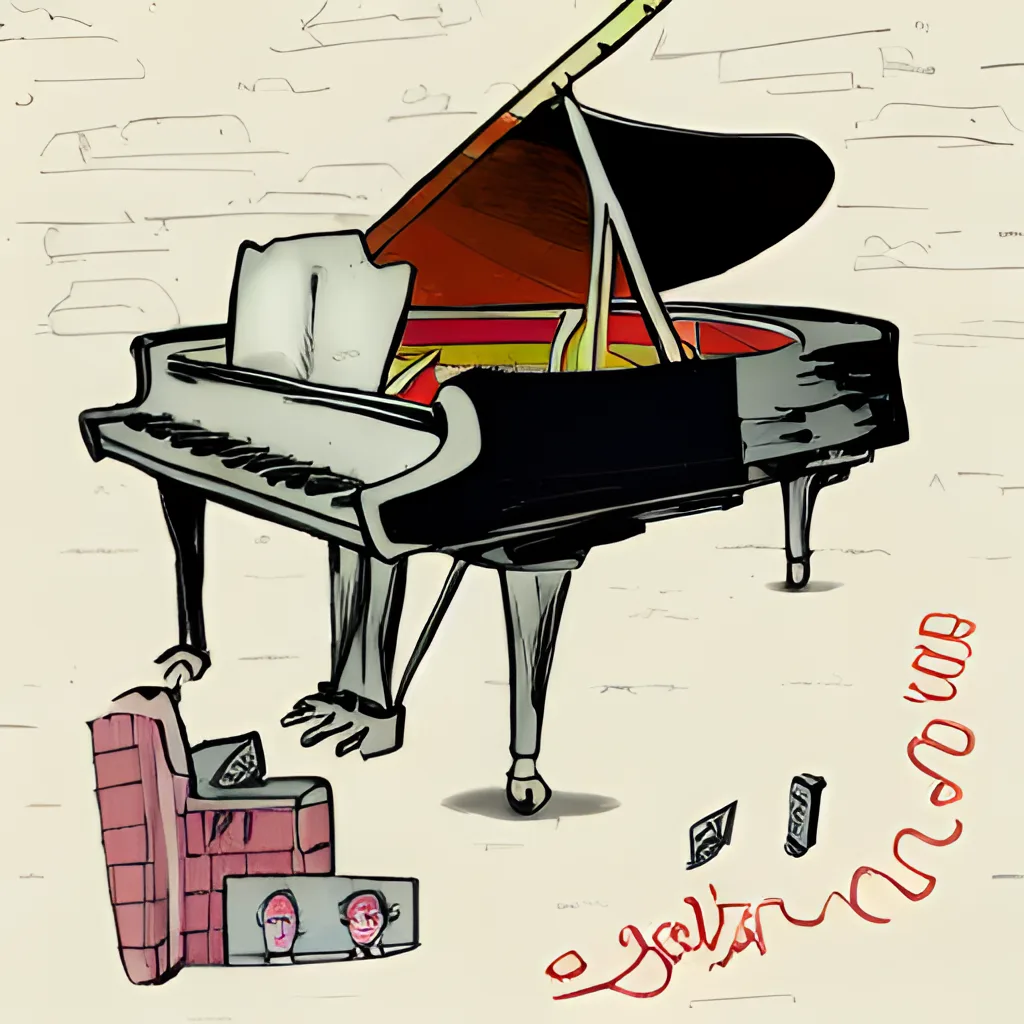
A classic electric piano makes sound mechanically, then turns it into an electrical signal. A key throws a hammer, the hammer strikes a small metal tine or a flat steel reed, and an electromagnetic or electrostatic pickup near that vibrating metal converts its motion into a signal for an amplifier. Unlike a digital piano, nothing is sampled: the tone comes from real vibrating metal. That design gives the instrument its warm, rounded and slightly bell-like voice, which became a signature colour in soul, jazz, pop and many film and game soundtracks.
Two main designs: tines and reeds
Electric pianos are often grouped by what the hammer strikes.
Tine designs
A thin metal rod, the tine, is attached to a heavier tone bar, a little like a tuning fork. Soft playing gives a round, glassy tone. Harder playing adds a bright, slightly growling edge often described as bark. The range of colour between soft and loud is one reason players love these instruments.
Reed designs
A flat steel reed is struck and vibrates between pickup plates. The tone tends to be reedier and more nasal, with a quick, punchy attack that can sound gritty when played hard. Many players like it for funky, percussive parts.
- Both designs sustain less than an acoustic piano string.
- Both respond strongly to touch, so dynamics change the colour, not only the volume.
- Both depend on the amplifier and any effects that follow.
Why the tone sits so well in a band
An acoustic piano produces a very wide range of overtones and a big low end. The electric piano is lighter. Its fundamental tones are strong and its upper overtones fade quickly, so chords sound smooth and leave room for vocals, bass and drums.
That is why arrangers often reach for an electric piano for gentle chord pads under a singer, or for short rhythmic stabs in a groove. Rich extended chords, such as sevenths and ninths, sound especially soft and clear on it.
You've read 31% of this article
Log in for free to read the remaining 69%
- Free to use
- No credit card needed
Plus, try Premium free for 7 days in the TIGA ALPHA app.
Continue with Google Sign up free Already a member? Log in
Effects that became part of the sound
Many listeners associate the electric piano with effects as much as with the instrument.
Tremolo
A regular rise and fall in volume, sometimes swapping between left and right speakers, creates a gently pulsing shimmer.
Phaser and chorus
These effects add a sweeping, swirling motion that makes sustained chords feel alive.
Overdrive
Pushing the amplifier gives a warmer, rougher tone that suits blues and rock.
Learning to hear these layers separately is good ear training: is the movement in the sound coming from the instrument, the player or the effect?
Playing electric piano sounds on a modern keyboard
Most digital pianos and keyboards include electric piano voices. Playing them well needs slightly different habits from acoustic piano.
- Use lighter, more relaxed chord voicings. Close voicings in the middle of the keyboard sound warm without getting muddy.
- Explore touch carefully. Find the point where a soft tone turns bright and use that change for expression.
- Use the sustain pedal sparingly. The tone already rings smoothly, and too much pedal can blur.
- Try rhythmic comping: short chords on the off-beats, leaving gaps for other instruments.
From mechanical metal to modelled sound
Modern instruments often recreate electric pianos with physical modelling, a method that simulates the vibrating tine, the pickup and the amplifier with mathematics rather than playing back recordings. This lets a player adjust details, such as how close the virtual pickup sits to the tine, that would require a screwdriver on the original.
The same move from fixed hardware to responsive software is happening in music learning. An AI piano teaching app such as TIGA ALPHA listens to a learner's playing and gives feedback on notes and timing, turning a practice session into a two-way process. The core skill, listening closely to how touch shapes tone, matters just as much on an electric piano voice as on an acoustic grand.
Listening checklist
When you hear an electric piano in a song, ask:
- Is the tone round and glassy, or reedy and punchy?
- Do loud notes add a growl or bark?
- Is there tremolo, chorus or phaser movement?
- Is it playing long chords, short stabs or a melody?
FAQ
Q: Is an electric piano the same as a digital piano?
A: No. A classic electric piano makes sound from vibrating metal picked up electrically, while a digital piano usually plays back recorded or modelled sounds.
Q: Why do electric pianos need tuning less often than acoustic pianos?
A: Their tines or reeds are short, stiff metal parts under low tension, so they tend to hold pitch more steadily, though they still need occasional adjustment.
Q: Which chords sound most typical on electric piano?
A: Seventh and ninth chords in close voicings are very common, especially in soul, jazz and soft pop.
Q: Can beginners learn on an electric piano sound?
A: Yes, but it helps to practise on a standard piano sound too, because electric piano tones hide some unevenness in touch.
Get started with TIGA ALPHA
TIGA ALPHA is an AI piano teaching app built by a Thai team, with lessons in 10 languages: Thai, English, Mandarin, Arabic, Japanese, Russian, Spanish, French, Hindi and Korean. Its CEO, Teacher Aum, has 20 years of experience in piano teaching, and that music teaching background shapes every lesson, while piano teaching with AI gives you feedback each time you play piano. Use it as an online piano lessons app for short daily sessions, follow it as a complete AI online piano course, or combine it with a piano course or piano learning course led by a teacher. Whether you want to learn piano from zero, learn piano online after a long break, learn music alongside your children or simply play music for fun, this online piano teaching application keeps your next step clear. New users get a 7-day free Premium trial, then US$24.99/month. Open the piano teaching app below and pick a first lesson that fits your week.
- Download and start: TIGA ALPHA landing page
- In-person lessons in Thailand: TIGA Studio
- About the company: tigaalpha.com
Once you can hear what tines, reeds and pickups do, every electric piano sound becomes a colour you can choose with intention.