Example Scenario: A Family's Five-Minute Holiday Routine
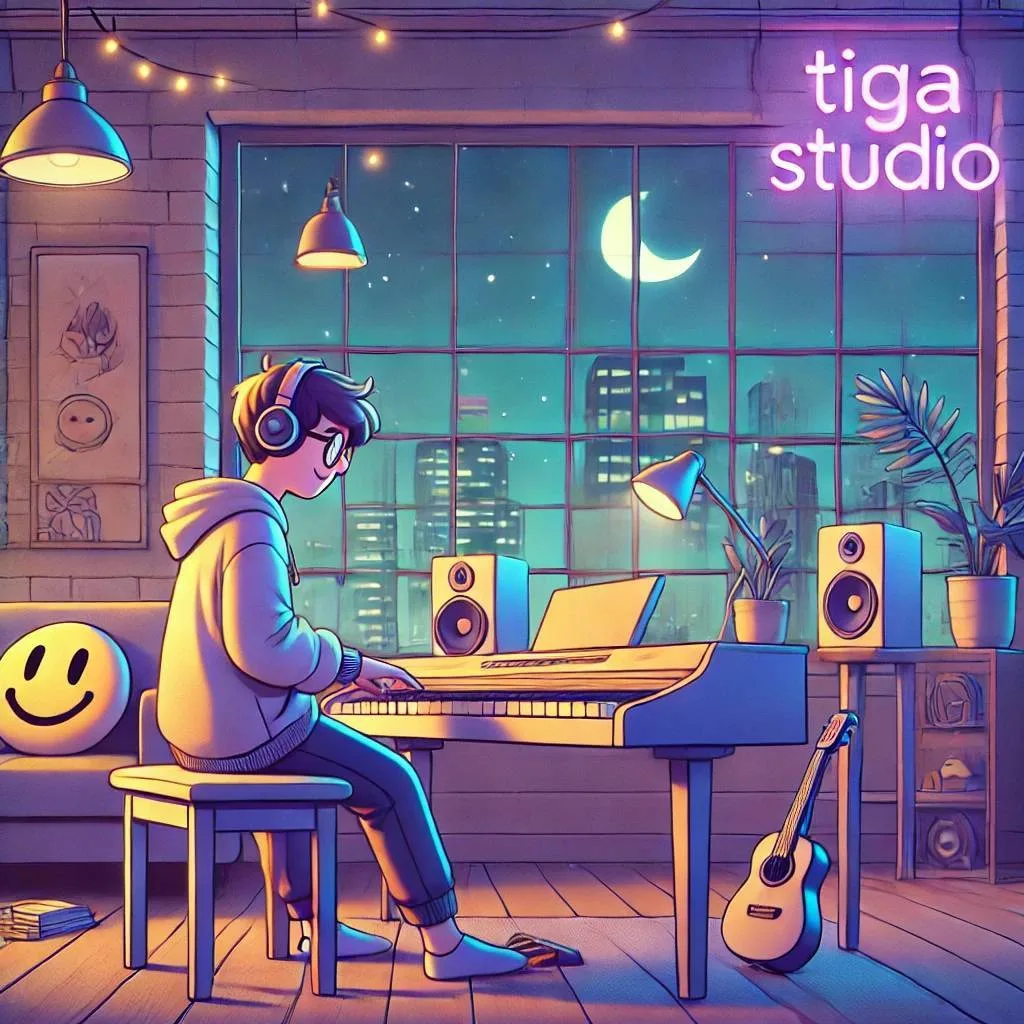
The family in this story is invented for teaching purposes. Nobody here is a real student, and the details are only one way of showing how a short routine can keep piano pleasant during a long break. In the sketch, a child named Mia and her father want to keep a little music in the school holidays without turning it into homework.
Setting the scene
Mia is a primary school child who has been learning a few easy pieces. During term time her practice happens after school. The holidays are different: the days have no timetable, and they both worry that the piano will be forgotten.
They decide that the routine should be short, friendly and flexible. A bad plan, they agree, would be one that makes the holidays feel like school.
The five-minute rule
Mia and her father agree on five minutes a day. The father sets a kitchen timer, and Mia chooses what to play. Some days she plays an old favourite, and other days she explores a new piece. When the timer rings, she may stop, or she may play one more song if she wants to.
- Five minutes at a time that suits the day.
- Mia chooses the first song.
- A short stop, then free time.
A simple chart
On the fridge they put a small calendar. After each practice, Mia puts a sticker on the day. There is also a rule that two days a week are free days, with no practice at all, so that travel and visits do not cause stress.
You've read 27% of this article
Log in for free to read the remaining 73%
- Free to use
- No credit card needed
Plus, try Premium free for 7 days in the TIGA ALPHA app.
Continue with Google Sign up free Already a member? Log in
What the routine looks like in a week
On Monday Mia plays a slow song she knows. On Tuesday she tries the first line of a new piece, only the right hand. On Wednesday her father plays the left hand part on a second keyboard, and they play together slowly. Thursday is a free day, because they have a trip to see relatives. On Friday Mia plays her favourite song for her grandmother over a video call, and everyone listens.
Notice that none of these sessions is long. The point is regular contact with the instrument, with room to enjoy it.
When things get messy
One morning the family gets up late, and the five minutes are forgotten. Her father does not make a fuss. Mia plays one song in the evening, and the chart gets its sticker anyway. Another day Mia is tired, and the father suggests listening to a recording instead of playing. That counts too, because listening is part of music.
What the father learns
The father notices that Mia plays more willingly when she chooses the first song. He also notices that he enjoys the short sessions himself, because they are small enough to fit anywhere. He decides to write down one thing he liked after each session, such as "the quiet ending," and to tell Mia at bedtime. These small notes become a kind of holiday diary.
Looking ahead to term time
By the end of the holidays Mia has not learned a hundred pieces. She has kept her hands familiar with the keys, and she has a few songs she is happy to play. When school starts, her teacher can pick up from there, and Mia returns without feeling that she has been away.
A family in a similar situation could use a piano teaching app for short guided pieces, or simply play favourite tunes from a songbook. The exact tools matter less than the friendly routine. What counts is that the piano stays a welcome corner of the home, where a few minutes can be enjoyed without pressure, and where the next lesson can begin from a comfortable place.
FAQ
Q: Are Mia and her father real people?
A: No. They are invented characters in a fictional example, written only to show one possible routine.
Q: Is five minutes enough?
A: In this example it is enough to keep contact with the instrument. Families can choose a different length that fits their days.
Q: Why include free days?
A: Free days keep the routine relaxed and make it easier to continue during travel or visits.
Q: What if the child does not want to play?
A: In the example, listening to music or looking at a favourite page also counts, so the routine stays gentle.
Get started with TIGA ALPHA
TIGA ALPHA is an AI piano teaching app built by a Thai team, with lessons in Thai, English and Mandarin. Its CEO, Teacher Aum, has 20 years of experience in piano teaching, and that music teaching background shapes every lesson, while piano teaching with AI gives you feedback each time you play piano. Use it as an online piano lessons app for short daily sessions, follow it as a complete AI online piano course, or combine it with a piano course or piano learning course led by a teacher. Whether you want to learn piano from zero, learn piano online after a long break, learn music alongside your children or simply play music for fun, this online piano teaching application keeps your next step clear. New users get a 7-day free Premium trial, then US$24.99/month. Open the piano teaching app below and pick a first lesson that fits your week.
- Download and start: TIGA ALPHA landing page
- In-person lessons in Thailand: TIGA Studio
- About the company: tigaalpha.com
This example is invented, but the idea is real enough: a short routine and a few free days can keep music pleasant during a long break.