Example Scenario: A Parent Sets Up a Home Practice Corner

What follows is a fictional sketch, not a report of real events. The parent and child are invented, and the story exists only to show one way of arranging a practice space. In the scenario, a parent called Ploy wants the child to enjoy playing the keyboard at home. Instead of making rules about time, Ploy first improves the corner where the instrument sits, so that sitting down feels easy and pleasant. Small changes in the environment can help practice happen naturally.
The starting point
Imagine a small flat where the keyboard has been in the living room, beside the television and a pile of laundry. The child often says there is nowhere to put the music. Ploy decides to give the keyboard its own corner, however modest, with light and a place for books.
Light and seating
First, Ploy moves the keyboard near a window or places a lamp so that the music is easy to read. Then the seat is adjusted. A child should sit with relaxed shoulders and with elbows roughly level with the keys. If the child's feet do not touch the floor, a sturdy box or low stool under them makes sitting more comfortable.
- Good light on the music.
- A stable seat at the right height.
- Feet supported.
- Space for the elbows to move.
A stand and a small shelf
A music stand holds the book at an easy angle. Beside it, a small shelf or basket keeps the current book, a pencil and a notebook within reach. Ploy labels the basket with the child's name and lets the child decorate it. Having a personal place for the tools gives the child a sense of ownership.
You've read 30% of this article
Log in for free to read the remaining 70%
- Free to use
- No credit card needed
Plus, try Premium free for 7 days in the TIGA ALPHA app.
Continue with Google Sign up free Already a member? Log in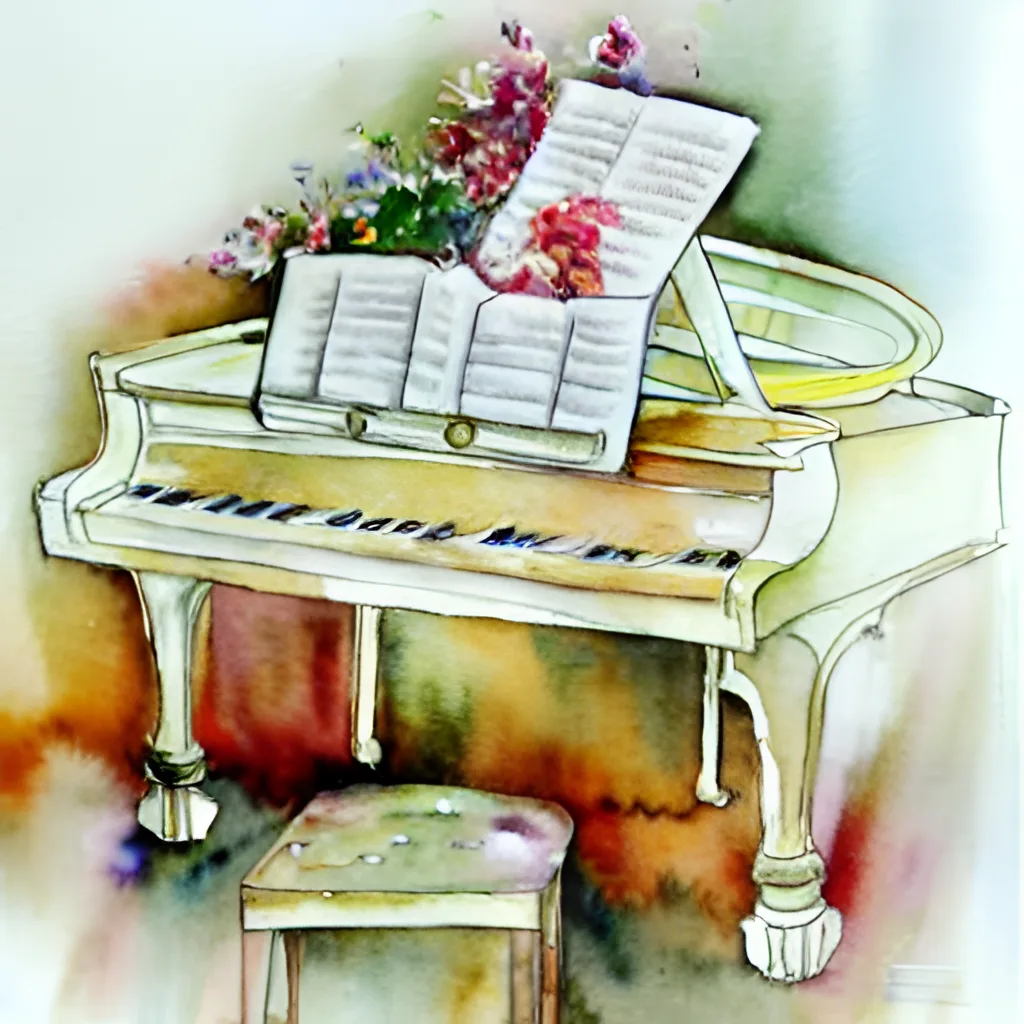
Quiet and comfort
In the example, Ploy turns off the television during practice and agrees that nobody else will ask the child questions for those minutes. If the keyboard has headphones, they can be used when the home is noisy. The aim is not silence all day, but a short, calm period for focus.
Simple family rules
Ploy writes three short rules on a card and pins it above the shelf.
- Wash hands before playing.
- Close the lid or switch off when finished.
- Return the book to the basket.
The rules protect the instrument and make the routine predictable. They are friendly rather than strict, and the child helps to write them.
Making it inviting
A small touch, such as a picture the child likes, makes the corner feel personal. Ploy also keeps a sticker chart nearby, not as a competition, but as a way to remember what has been practised. A short free-play moment at the end of each session keeps the mood positive.
Keeping the space tidy
A corner stays inviting when it is easy to reset. At the end of each session, the child closes the book, puts the pencil back in the basket and switches off the lamp. This takes thirty seconds, and it means the next visit begins with everything in place. A tidy space also makes it easier for siblings or guests to leave the instrument alone.
Reviewing after two weeks
After two weeks, Ploy asks the child what feels good and what feels awkward. Perhaps the lamp is too bright, or the seat is a little low. The corner is adjusted accordingly. This review shows the child that their opinion matters and that the space can change.
Involving the child
The scenario works best when the child helps. Ploy asks the child to choose where the lamp goes, which picture to pin up and what colour the basket should be. Children often take better care of a space they helped to build. The choices can be small, but they send a clear message: this is your place, and it is ready for you whenever you want to play. Many families find that this shared set-up makes starting easier.
FAQ
Q: Is this a real family?
A: No. It is a made-up scenario to illustrate one possible set-up.
Q: Do I need a separate room?
A: No. A small corner with light, a stable seat and a place for books can be enough.
Q: What height should the seat be?
A: Choose a height where the elbows sit about level with the keys and the feet feel supported.
Q: Should the child practise with headphones?
A: It can help when the home is noisy, but listening through speakers sometimes is also useful.
Get started with TIGA ALPHA
TIGA ALPHA is an AI piano teaching app built by a Thai team, with lessons in Thai, English and Mandarin. Its CEO, Teacher Aum, has 20 years of experience in piano teaching, and that music teaching background shapes every lesson, while piano teaching with AI gives you feedback each time you play piano. Use it as an online piano lessons app for short daily sessions, follow it as a complete AI online piano course, or combine it with a piano course or piano learning course led by a teacher. Whether you want to learn piano from zero, learn piano online after a long break, learn music alongside your children or simply play music for fun, this online piano teaching application keeps your next step clear. New users get a 7-day free Premium trial, then US$24.99/month. Open the piano teaching app below and pick a first lesson that fits your week.
- Download and start: TIGA ALPHA landing page
- In-person lessons in Thailand: TIGA Studio
- About the company: tigaalpha.com
A calm corner makes sitting down to play feel easy.