Family Music Games Everyone Can Play
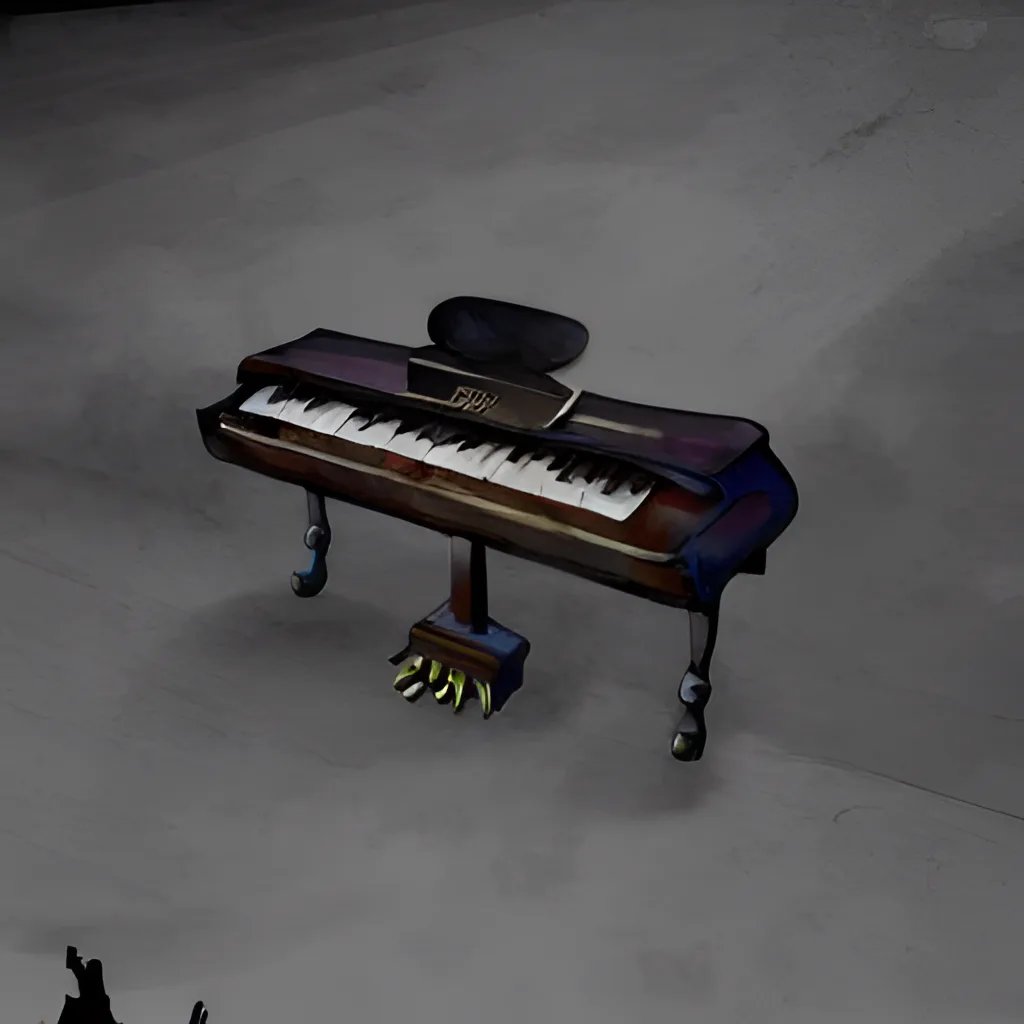
Playing some simple music games with your children at home, such as guess the song, find the note, rhythm copycat and improvisation chain, can make learning the piano more fun, and it also trains listening, sense of rhythm and reaction speed. These games need no special props. A piano or just a few pairs of hands is enough, and everyone in the family can join in, whether or not they can play.
Practice Order
- Guess the song: play a few notes for everyone to guess
- Find the note: listen to a note and find it on the piano
- Rhythm copycat: clap a rhythm for the other person to repeat
- Improvisation chain: each person plays a short phrase and passes it on
Combine Games with Practice
You can schedule the games after practice, as a reward for finishing.
You can also pick a few notes from the pieces your child is learning and turn them into guess-the-song or find-the-note questions.
When games and practice are linked in this way, children become more interested.
Improvisation Chain
Everyone takes turns playing a short phrase on the piano. It can be two or three notes, or a small melodic phrase, and the next person has to carry it on.
You can make it easier by allowing only a few white keys, or only the black keys.
The results are often surprising, and everyone has a great time.
Guess the Song
One person plays the first few notes of a song everyone knows on the piano, and the others guess what it is.
You can start with very simple children's songs and gradually make it harder, for example by playing only three notes, or by playing the tune with a different rhythm.
The person who guesses correctly gets to set the next question, so everyone has a chance to play.
High and Low Game
The player plays a note in the high register or the low register, and the others raise their hands when they hear a high note and crouch down when they hear a low one.
You've read 30% of this article
Log in for free to read the remaining 70%
- Free to use
- No credit card needed
Plus, try Premium free for 7 days in the TIGA ALPHA app.
Continue with Google Sign up free Already a member? Log inYou can play faster and faster to see who reacts quickest.
This game is especially good for younger children, helping them understand the ideas of "high" and "low".
Family Members Who Cannot Play Can Join In Too
Many games do not need anyone to be able to play, such as rhythm copycat, the high and low game and music statues.
Family members who cannot play can clap, sing or guess the song.
Letting your child be the "little teacher" and teach a family member who cannot play a few notes is also a great way to interact.
Rhythm Copycat
One person claps a simple rhythm, or plays it on the piano, and the other person repeats it.
Start with very short, simple rhythms, such as "long, short, short, long", and gradually make them longer and more complex.
Family members who cannot play can join in too, using clapping, tapping their knees or drumming on the table to show the rhythm.
Find the Note
One person plays a note on the piano, and the other person, who has their back to the piano, turns round and tries to find that note on the keyboard.
At first you can choose from just a few white keys in the middle, and widen the range once you are fluent.
This game trains your child's ability to tell pitches apart.

Music Statues
One person plays music on the piano and the others move freely to the music. When the music stops, everyone must freeze immediately, like a statue.
The player can change the speed and volume of the music, and everyone changes their movements to follow, for example walking slowly when the music is gentle and taking big strides when the music is loud.
This game lets children feel changes in the speed and dynamics of music.
A Few Simple Rules for the Games
When playing, there is no need to care too much about winning or losing. The point is that everyone takes part and enjoys it.
You can let your children take turns being the "question-setter", which makes them more motivated.
Do not play for too long. Ten-odd minutes to half an hour is enough, and you should stop while everyone is still having fun.
If your child is a little sad about losing a game, adults can show how to accept the result easily, and then start the next round together.
Why Play Music Games
Learning the piano takes constant practice, which can sometimes feel dull to a child.
Music games let children meet music in a relaxed atmosphere, training listening, sense of rhythm and reaction speed.
Playing together as a family also builds communication between parents and children and makes music part of family life.
In Short
These games are also good to play when friends and relatives visit. Adults and children can all join in quickly, and the atmosphere becomes lively.
Frequently Asked Questions
Q: How old should children be to play these games?
A: The high and low game and music statues suit younger children, and the other games can be adjusted by age.
Q: Can family members who cannot play join in?
A: Yes, many games only need clapping or singing.
Q: How long should a game last?
A: Ten-odd minutes to half an hour, stopping while everyone is still having fun.
Q: Will the games get in the way of practice?
A: Schedule them after practice, and they can work as a reward.
Q: Can we play without a piano?
A: Rhythm copycat, music statues and others can be played with clapping or other sounds.
Q: What if my child always wants to win?
A: Stress taking part and having fun, and let your child take turns setting the questions.
Start Practising with TIGA ALPHA
TIGA ALPHA is an AI piano teaching app built by a team in Thailand. The app is available in 10 languages: Thai, English, Chinese, Arabic, Japanese, Russian, Spanish, French, Hindi and Korean. Its CEO, Teacher Aum, has 20 years of experience teaching piano, and that teaching background shapes every lesson. When you play, the app listens and tells you which notes or beats to practise next, so the feedback is specific rather than generic. Use it as an online piano lessons app for short daily sessions, follow it as a complete online piano course, or combine it with lessons from a teacher. Whether you are starting from scratch, coming back after a long break, learning music alongside your children or simply playing for fun, your next step stays clear. New users get a 7-day free Premium trial, then US$24.99 per month.
- Download and start: TIGA ALPHA
- In-person lessons in Thailand: TIGA Studio
- About the company: tigaalpha.com