Stubborn Fingers? Five Finger Independence Drills
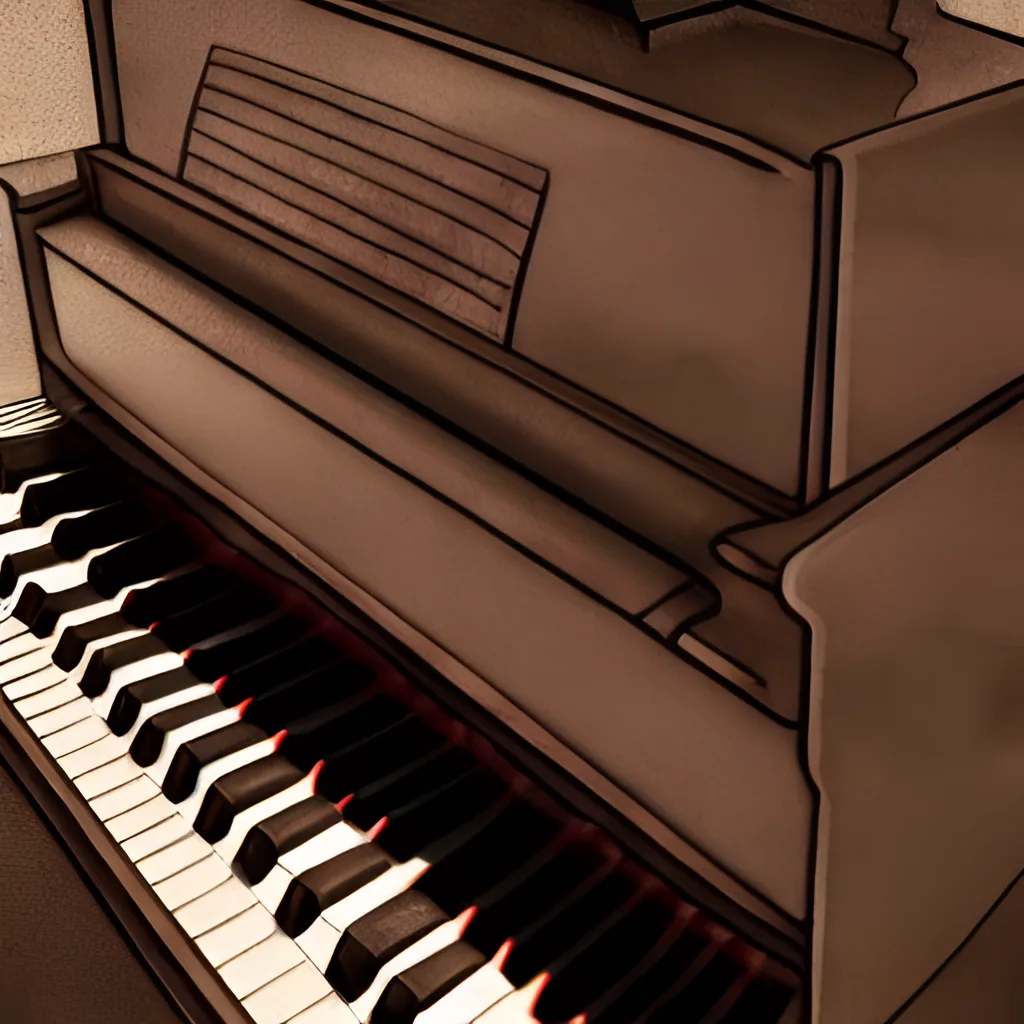
Finger independence means that when one finger is playing, the other fingers stay relaxed and do not tense up or move along with it. The key to training it is not lifting your fingers very high or hitting the keys hard, but "one works, the rest rest": use held-note drills, alternation between adjacent fingers and rhythm changes to teach your brain to direct each finger separately. About ten minutes of focused practice a day is more effective than an occasional long burst, and as soon as you feel tension or discomfort, stop and rest straight away.
Five facts about finger independence
- The fourth finger is often seen as the least "obedient", because it is structurally closely tied to its neighbours
- Independence is not the same as strength; a relaxed finger is often more agile than a tense one
- The faster you play, the more independence you need, so build control at a slow tempo first
- Watching the "fingers that are not working" matters more than staring only at the finger that is playing
- Independence improves gradually and needs patience and regular practice
Why do fingers "drag each other down"?
Many people notice early in their piano learning that when they try to move the fourth finger, the fifth finger lifts too, and when they play a little faster the whole hand tenses up. This is not because your fingers are "clumsy", but because your brain is not yet used to controlling them separately. In daily life, when we grab, grip or hold things, several fingers usually act together, and we rarely need to move one on its own.
Piano playing is different: it asks each finger to press a key independently and also to rest quietly on the keys when not in use. This ability needs specific training, just as learning a new language needs specific pronunciation practice.
Five targeted drills
Drill 1: Held-note drill
Rest the five fingers of your right hand lightly on C, D, E, F and G, then press all of them down and hold. Then lift and press only one finger while the other four keep holding their keys. Start with the thumb and work through to the little finger. It does not matter if you lift only a little at first; the point is that the other fingers stay relaxed and keep holding, without moving along.
You've read 32% of this article
Log in for free to read the remaining 68%
- Free to use
- No credit card needed
Plus, try Premium free for 7 days in the TIGA ALPHA app.
Continue with Google Sign up free Already a member? Log inDrill 2: Alternating adjacent fingers
Slowly alternate between two adjacent fingers, such as the second and third, the third and fourth, and the fourth and fifth. Play each pair eight to sixteen times, slowly and with an even sound. The fourth and fifth fingers are usually the hardest pair, so you can spend a little more time on them.
Drill 3: Alternating non-adjacent fingers
Alternate the thumb and third finger, the second and fourth, and the third and fifth. This helps the brain tell apart "fingers with a gap between them" and stops the fingers in the middle from tensing along.
Drill 4: Rhythm changes
Play a five-finger pattern (C, D, E, F, G) first in dotted rhythm (long-short, long-short) and then in reverse dotted rhythm (short-long, short-long). When the rhythm changes, the "long" and "short" positions of every finger change, which is an effective way to break the dependence between fingers.
Drill 5: Silent desk practice
When you have no piano, you can rest your hand on a desk and imitate the held-note drill: five fingers lightly touching the desk, lifting just one. This drill suits commuting or break times and helps the brain get used to the feeling of controlling a finger on its own.

A weekly plan you can follow
- Monday and Thursday: held-note drill, five minutes for each hand
- Tuesday and Friday: alternating adjacent fingers, focusing on the third and fourth and the fourth and fifth
- Wednesday and Saturday: alternating non-adjacent fingers plus rhythm changes
- Sunday: pick a piece you are working on and play it slowly, checking whether the fingers that are not working stay relaxed
Before each session, shake out your wrists and loosen your shoulders, and do the same afterwards. This plan can sit alongside your regular piano lessons as extra practice for your technical foundation.
Three common mistakes
Mistake 1: The higher you lift your fingers, the better
Some older methods stressed lifting the fingers high, but lifting too high easily makes the hand tense. Many teachers now put more weight on "stay close to the keys, relax, stay in control", so the finger completes its movement not far from the key.
Mistake 2: It only counts if your hand aches
Noticeable tension or discomfort means you have gone beyond a suitable intensity, and you should stop and rest. Independence comes from correct repetition, not from endurance.
Mistake 3: Practising only the right hand
Independence in the left hand matters just as much, especially for accompaniment and bass lines. Practise both hands, and observe separately which hand and which finger needs more work.
FAQ
Q: How long do I need to practise each day to see results?
A: About ten minutes each time is enough; what matters is regularity. Everyone's situation is different and so is the speed of progress, so there is no need to compare yourself with others.
Q: Are these drills suitable for children?
A: Yes, but shorten the time, lower the difficulty and turn it into a game. For example, give each finger a name, and let the child play whichever finger you "call". Learning music this way is more fun.
Q: Can finger independence drills replace practising pieces?
A: No. Targeted drills serve the pieces. It is best to use them as part of your warm-up, and then apply the control you have built to the pieces you are learning.
Q: When learning piano online, how can I tell whether my fingers are moving when they should not?
A: Record a video from the side with your phone and, when you watch it back, look specifically at the fingers that are not working. This kind of self-check is common in piano teaching and also works well for self-learners.
Make every finger independent
If you want to make finger independence drills a fixed daily habit, try TIGA ALPHA.
TIGA ALPHA is an AI piano teaching app built by a team in Thailand. The app is available in 10 languages: Thai, English, Chinese, Arabic, Japanese, Russian, Spanish, French, Hindi and Korean. Its CEO, Teacher Aum, has 20 years of experience teaching piano, and that teaching background shapes every lesson. When you play, the app listens and tells you which notes or beats to practise next, so the feedback is specific rather than generic. Use it as an online piano lessons app for short daily sessions, follow it as a complete online piano course, or combine it with lessons from a teacher. Whether you are starting from scratch, coming back after a long break, learning music alongside your children or simply playing for fun, your next step stays clear. New users get a 7-day free Premium trial, then US$24.99 per month.
- Download and start: TIGA ALPHA
- In-person lessons in Thailand: TIGA Studio
- About the company: tigaalpha.com