Five Minutes at the Piano After a Busy Day: A Quiet Time for Yourself

After a busy day, many adult piano learners get home with no energy left to practise a new piece properly. Try a different way of thinking: do not treat it as practice, but give yourself five quiet minutes and slowly play a few familiar notes at the piano. These five minutes have no tasks or goals; they simply let your fingers and ears return to music. If you keep it up, it also helps you keep your feel for the keys and makes it easier to start proper practice the next day. This article is only general lifestyle advice and makes no claims about health effects.
The five-minute plan
Minute one: slow scales
Pick a familiar scale and play it up and down at a very slow tempo. Listen to the sound of every note and feel your fingers landing one after another.
Minutes two and three: long chords
Play a few simple chords, holding each for a long time until the sound almost disappears, and then play the next. You can use the sustain pedal to let the sound spread out slowly.
Minutes four and five: a familiar little piece
Play a short piece you already know so well that you do not need to read the music. Do not worry about wrong notes; just enjoy the melody.
Let the environment help you
- Dim the lights, leaving only one lamp by the piano
- Turn off phone notifications
- Use headphones or lower the volume at night
- Have a sip of water and take one deep breath before you sit down
These details help you switch from work mode to rest mode more quickly.
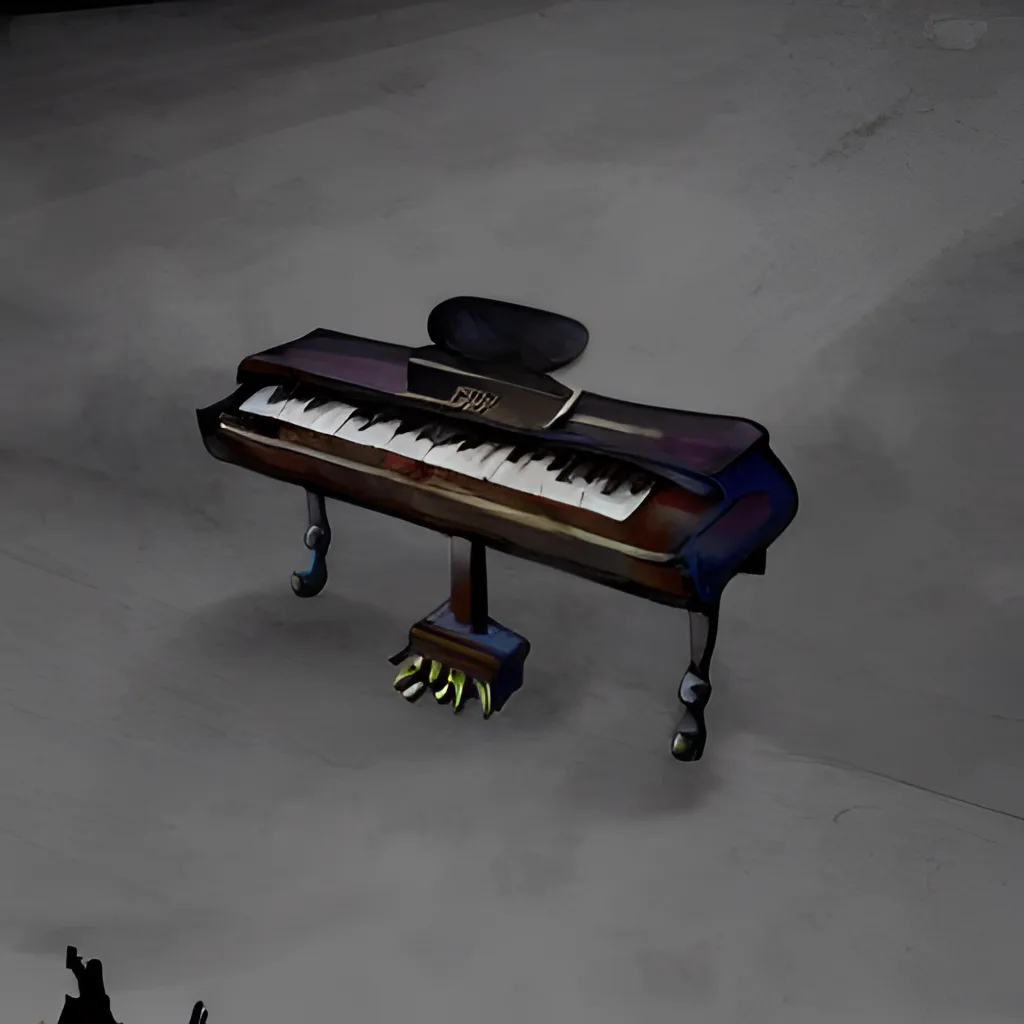
Why five minutes is enough
Many people feel that practising only counts if it takes a long time, so when they are tired they simply do not practise. The bar for five minutes is very low, and almost every day you can manage it. Once you are sitting at the piano, you sometimes naturally play a few minutes more; and even if it is only five minutes, the connection between your fingers and the keys is not broken.
You've read 30% of this article
Log in for free to read the remaining 70%
- Free to use
- No credit card needed
Plus, try Premium free for 7 days in the TIGA ALPHA app.
Continue with Google Sign up free Already a member? Log inFor a learner, staying in regular contact with the piano does more to keep your feel for the keys than occasional long sessions. Five minutes of quiet playing can also become a regular ritual at the end of the day.
It does not need to be perfect
It does not matter if you play wrong notes in this time. It is not homework for the teacher to hear, nor preparation for a performance, but time that belongs only to you. If one day you do not even feel like five minutes, you can simply open the lid, play one chord, listen to it slowly fade, and then go to rest.
Keep a record of this time
If you like, mark each day you played for five minutes with a small tick on the calendar. Looking back a month later, you will see that you have been with music all along. This kind of visible small persistence often makes people more willing to keep going.
Pay attention to your body
When you are tired the body tends to be tense, so it is even more important to relax as you play. If your wrists or shoulders feel uncomfortable, you can play less and instead just listen to a recording you like. If physical discomfort keeps recurring, consult a doctor.
You can extend it at weekends
At the weekend, when you have more time, you can extend these five minutes into a full practice session, but still begin in the same way: slow scales, long chords, a familiar little piece. That way, whether it is a busy weekday or a leisurely weekend, you start playing in the same way, and your body gets into the state more quickly.
Give these five minutes a fixed place
Put this time at a fixed moment each day, for example after a shower or half an hour before bed. A fixed time makes it easier to become a habit, so you do not have to decide again each day whether to play today.
A little card
You can put a small card on the piano with the order of the five minutes: scale, chords, little piece. When you are tired you do not need to think; just follow the card.
Share this time with your family
Sometimes your family will be drawn in by the sound of the piano and sit nearby to listen for a while. These five minutes can become a rare shared moment for the family in the day. There is no need to perform; just play as usual and let the sound of the piano ring softly through the home. When children see an adult playing, they often become curious about the piano and are willing to sit down and try a few notes.
Later, on a day when you have more energy, practising that little piece through properly will also feel easier.
FAQ
Q: Are five minutes really worth it?
A: It helps with keeping your feel for the keys and your playing habit; what matters is continuity, not length.
Q: Is it good to practise a new piece when tired?
A: When tired, play familiar pieces first and leave new pieces for when you have more energy.
Q: Will playing at night disturb the neighbours?
A: You can use headphones or lower the volume, and keep an eye on local quiet hours.
Q: Can this replace proper practice?
A: Not entirely; it is better as a supplement on busy days.
Start practising with TIGA ALPHA
TIGA ALPHA is an AI piano teaching app built by a team in Thailand. The app is available in 10 languages: Thai, English, Chinese, Arabic, Japanese, Russian, Spanish, French, Hindi and Korean. Its CEO, Teacher Aum, has 20 years of experience teaching piano, and that teaching background shapes every lesson. When you play, the app listens and tells you which notes or beats to practise next, so the feedback is specific rather than generic. Use it as an online piano lessons app for short daily sessions, follow it as a complete online piano course, or combine it with lessons from a teacher. Whether you are starting from scratch, coming back after a long break, learning music alongside your children or simply playing for fun, your next step stays clear. New users get a 7-day free Premium trial, then US$24.99 per month.
- Download and start: TIGA ALPHA
- In-person lessons in Thailand: TIGA Studio
- About the company: tigaalpha.com
This article is general information and does not constitute medical advice; if you have questions about your physical or mental health, please consult a doctor or a licensed clinical music professional.
Five minutes at the end of the day, kept for yourself and for music.